Background
Historical Occupation Profiles explain what ancestors actually did for a living and how those occupations shaped the records genealogists rely on today.
Occupation Overview
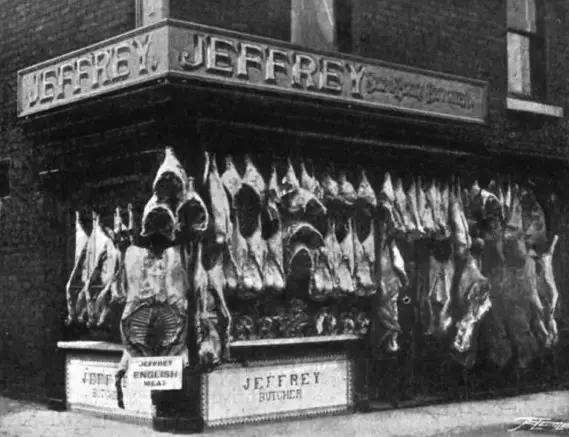
Butchers processed and sold meat for local communities, playing a central role in food supply systems in the eighteenth, nineteenth, and early twentieth centuries. They operated in shops, markets, and slaughterhouses, preparing meat for household consumption and commercial use.
In smaller towns, butchers often ran independent businesses, while in larger cities they might work in markets or for larger meat processing operations.
How the Job Was Described
Historical records may list:
- Butcher
- Meat cutter
- Slaughterman
- Provision dealer
- Meat dealer
- Packinghouse worker
In some records, butchers may also appear as merchants or shopkeepers, especially if they owned their business.
Duties & Daily Work
Butchers performed tasks such as:
- Slaughtering livestock
- Cutting and preparing meat
- Preserving meat through salting or smoking
- Selling meat to customers
- Maintaining cleanliness in work areas
- Managing inventory and supplies
Work often began early in the day and required both physical strength and knowledge of meat preparation.
Tools, Equipment & Work Environment
Butchers relied on tools such as:
- Knives and cleavers
- Saws for cutting bone
- Hooks and racks for hanging meat
- Scales for weighing products
- Tables and cutting surfaces
Work environments included shops, markets, and slaughterhouses. Conditions could be physically demanding and required attention to sanitation.
Employment Structure & Business Patterns
Butchers might:
- Operate independent shops
- Work in public markets
- Be employed by slaughterhouses or packing companies
- Supply meat to local businesses and households
Family-run butcher shops were common, with skills often passed down through generations.
Records Created by Butchering Work
Butchers may appear in:
- City directories
- Business advertisements
- Tax records
- Market stall records
- Licensing or inspection records
- Probate inventories listing tools and shop goods
Because butchers often operated businesses, they frequently appear in local commercial records.
A Note on Historical Context
Before refrigeration became widespread, butchers were essential to local food systems. Meat was often processed and sold quickly, requiring close coordination with farmers and markets.
Urbanization led to the growth of large meatpacking industries, changing the scale and organization of butchering work.
Newspapers & Periodicals
Butchers appear in newspapers through:
- Business advertisements
- Market notices
- Health and inspection reports
- Court cases involving business disputes
- Obituaries referencing trade work
Advertisements often provide insight into the types of products offered.
Risks, Hazards & Working Conditions
Butchering involved risks such as:
- Injuries from sharp tools
- Handling large animals
- Exposure to unsanitary conditions
- Long working hours
- Physical strain
Accidents or health concerns could sometimes appear in local records or newspapers.
Industry Terminology (Selected)
- Slaughterhouse – Facility where animals are processed
- Provision dealer – Seller of food goods
- Carcass – Body of slaughtered animal
- Cut – Portion of meat prepared for sale
- Curing – Preserving meat through salt or smoke
These terms frequently appear in business records and trade descriptions.
Selected Free Research Starting Points
Researchers may find useful background materials and contextual resources through:
- Library of Congress collections related to food production and markets
- National Archives records involving agriculture and industry
- State archives preserving business and licensing records
- Local historical societies documenting markets and trades
- Internet Archive and HathiTrust collections of butchering manuals and trade guides
Availability varies by region and era, but these sources provide valuable context for understanding butchering work.
Why Butchers Matter to Genealogical Research
Butchers were central to local economies and frequently appear in directories, business records, and newspapers. Understanding their work helps genealogists interpret small business ownership, trade specialization, and community roles within local food systems.
If you’d like this information in a clean, printable, and well-organized reference format, this topic is also included in the Quicksheet Vault. The Vault is designed for researchers who prefer working tools they can save, print, and reuse — whether that means building a personal binder of key resources or keeping reliable references close at hand. Learn more about the 300+ Quicksheets in the Vault HERE