Background
Historical Occupation Profiles explain what ancestors actually did for a living and how those occupations shaped the records genealogists rely on today.
Occupation Overview
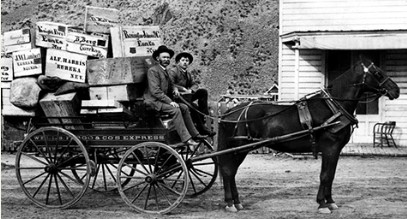
Express drivers transported packages, parcels, and valuable goods for express companies that provided fast delivery services before modern trucking systems. In the nineteenth and early twentieth centuries, express services operated alongside railroads and stage lines, ensuring rapid movement of goods between locations.
Express drivers were responsible for local delivery and transport, often handling time-sensitive or high-value shipments.
How the Job Was Described
Historical records may list:
- Express driver
- Expressman
- Delivery driver
- Wagon driver (express context)
- Messenger
- Teamster (in some cases)
The term “expressman” was commonly used to describe individuals working in express delivery services.
Duties & Daily Work
Express drivers performed tasks such as:
- Transporting packages and goods
- Delivering items to homes and businesses
- Handling shipments from rail depots or stations
- Maintaining schedules for deliveries
- Managing wagons or delivery vehicles
- Collecting receipts or payments
Work required reliability, punctuality, and familiarity with local routes.
Tools, Equipment & Work Environment
Express delivery relied on equipment such as:
- Horse-drawn wagons
- Teams of horses
- Delivery carts
- Shipping containers
- Record books or delivery logs
Work environments included city streets, commercial districts, and transportation hubs.
Employment Structure & Delivery Systems
Express drivers were typically employed by:
- Express companies
- Railroad-affiliated delivery services
- Private delivery businesses
- Commercial firms requiring transport services
Express companies operated structured delivery networks connected to rail and stage systems.
Records Created by Express Work
Express drivers may appear in:
- City directories
- Company employment records
- Railroad or depot records
- Census records
- Newspaper advertisements for express services
- Local business records
Because express companies were organized businesses, records may exist documenting employees and operations.
A Note on Historical Context
Express delivery services played a critical role in commerce, especially before the development of modern postal and parcel systems. They provided faster service for goods that required timely delivery.
As transportation systems evolved, express services adapted to new technologies, including railroads and eventually motor vehicles.
Understanding express systems helps explain the movement of goods and business activity in growing communities.
Newspapers & Periodicals
Express drivers appear in newspapers through:
- Business advertisements
- Delivery service announcements
- Reports of theft or loss of goods
- Accidents involving delivery wagons
- Community news involving local businesses
Express companies were often advertised as reliable and fast services.
Risks, Hazards & Working Conditions
Express driving involved risks such as:
- Accidents on roads or streets
- Theft or robbery of goods
- Weather-related hazards
- Long working hours
- Responsibility for valuable shipments
Incidents involving express deliveries were sometimes reported in newspapers.
Industry Terminology (Selected)
- Express – Fast delivery service
- Consignment – Goods shipped for delivery
- Depot – Location where goods are received and distributed
- Wagon – Vehicle used for transport
- Route – Designated delivery path
These terms frequently appear in business records and advertisements.
Selected Free Research Starting Points
Researchers may find useful background materials and contextual resources through:
- Library of Congress collections related to transportation and commerce
- National Archives records involving postal and delivery systems
- State archives preserving business and transportation records
- Local historical societies documenting commercial activity
- Internet Archive and HathiTrust collections of business directories and transportation guides
Availability varies by region and era, but these sources provide valuable context for understanding express delivery work.
Why Express Drivers Matter to Genealogical Research
Express drivers were part of the transportation and delivery systems that supported commerce and communication. Understanding their work helps genealogists interpret employment in logistics, connections to transportation networks, and the movement of goods within communities.
If you use Quicksheets often, the Quicksheet Vault puts 450+ of them in one organized place — clean, printable, and easy to reuse whenever you need them. Whether you keep digital references handy or build your own genealogy binder, the Vault makes research simpler. Learn more about the Quicksheet Vault HERE