Background
Historical Occupation Profiles explain what ancestors actually did for a living and how those occupations shaped the records genealogists rely on today.
Occupation Overview
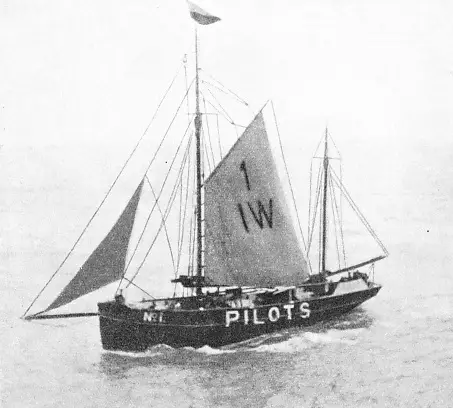
Harbor pilots guided ships safely into and out of ports, navigating difficult waterways such as harbors, rivers, and coastal channels. In the eighteenth, nineteenth, and early twentieth centuries, pilots were essential to maritime commerce, using their local knowledge of tides, currents, and hazards.
Pilots boarded incoming vessels and assumed control for the most dangerous portions of navigation. Their expertise helped prevent shipwrecks and ensured the safe movement of goods and passengers.
How the Job Was Described
Historical records may list:
- Harbor pilot
- Pilot
- River pilot
- Bar pilot
- Ship pilot
- Mariner (pilot context)
In some records, the term “pilot” alone is used, requiring context to distinguish from other types of piloting roles.
Duties & Daily Work
Harbor pilots performed responsibilities such as:
- Boarding ships approaching port
- Navigating vessels through channels and harbors
- Advising captains on local conditions
- Avoiding hazards such as shoals and reefs
- Guiding ships to docks or anchorages
- Coordinating with port authorities
Work was often irregular, depending on ship arrivals and departures.
Tools, Equipment & Work Environment
Harbor piloting relied on equipment such as:
- Pilot boats for transfer to ships
- Navigation charts
- Compasses and signaling tools
- Knowledge of tides and currents
- Communication with ship crews
Work environments were maritime and often hazardous, involving boarding moving vessels and working in varying weather conditions.
Employment Structure & Licensing
Harbor pilots were typically:
- Licensed professionals
- Members of pilot associations
- Independent contractors or part of regulated systems
- Appointed or approved by maritime authorities
Piloting was a highly regulated occupation due to its importance to safety and commerce.
Records Created by Harbor Piloting
Harbor pilots may appear in:
- Maritime registers
- Licensing and certification records
- Port authority documents
- Ship logs and crew lists
- Census records
- Newspaper accounts of maritime activity
Because of regulation, pilot records may be detailed and well preserved.
A Note on Historical Context
As maritime trade expanded, the need for skilled navigation in local waters became critical. Harbor pilots were among the most experienced seafarers, often with years of maritime experience.
Piloting remained essential even as ships became larger and more technologically advanced, due to the complexity of local waterways.
Understanding pilot roles helps explain maritime safety systems and port operations.
Newspapers & Periodicals
Harbor pilots appear in newspapers through:
- Reports of ship arrivals and departures
- Maritime accidents or near-misses
- Port activity updates
- Obituaries referencing maritime careers
- Local news related to harbor operations
Because shipping was vital to commerce, pilot activity was often reported.
Risks, Hazards & Working Conditions
Harbor piloting involved risks such as:
- Boarding ships in rough seas
- Navigating hazardous waterways
- Exposure to severe weather
- Responsibility for valuable cargo and vessels
Accidents could result in significant loss and were often documented.
Industry Terminology (Selected)
- Pilot – Navigator guiding ships in local waters
- Channel – Navigable waterway
- Shoal – Shallow area posing danger
- Dock – Area where ships load and unload
- Tide – Rise and fall of sea level
These terms frequently appear in maritime records and logs.
Selected Free Research Starting Points
Researchers may find useful background materials and contextual resources through:
- Library of Congress collections related to maritime history
- National Archives records involving shipping and navigation
- State archives preserving port and licensing records
- Maritime museums and historical societies
- Internet Archive and HathiTrust collections of navigation manuals and maritime guides
Availability varies by region and era, but these sources provide valuable context for understanding harbor piloting.
Why Harbor Pilots Matter to Genealogical Research
Harbor pilots were highly skilled professionals tied to specific ports and often appear in maritime and licensing records. Understanding their role helps genealogists interpret maritime careers, geographic ties to ports, and involvement in shipping and trade networks.
If you use Quicksheets often, the Quicksheet Vault puts 450+ of them in one organized place — clean, printable, and easy to reuse whenever you need them. Whether you keep digital references handy or build your own genealogy binder, the Vault makes research simpler. Learn more about the Quicksheet Vault HERE