Background
Historical Occupation Profiles explain what ancestors actually did for a living and how those occupations shaped the records genealogists rely on today.
Occupation Overview
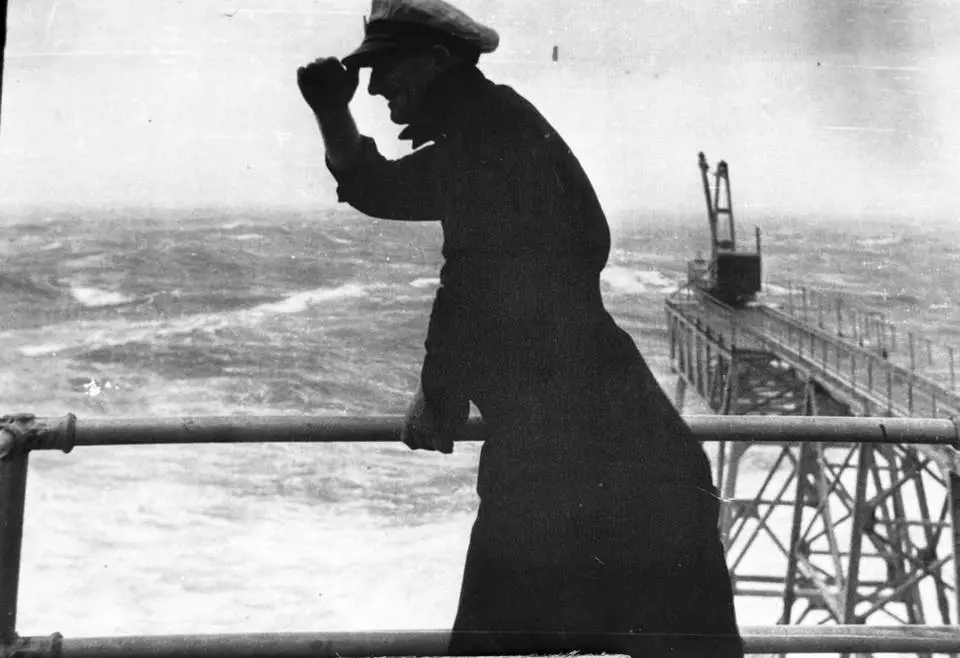
Lighthouse keepers maintained and operated lighthouses to guide ships safely along coastlines, rivers, and harbors. In the nineteenth and early twentieth centuries, lighthouses were critical to maritime navigation, warning vessels of dangerous shoals, reefs, and coastlines.
Keepers were responsible for ensuring that the light remained visible and operational at all times. Many lived on-site with their families in isolated locations, often far from towns or cities.
Lighthouse keeping combined technical responsibility with long periods of isolation and routine maintenance.
How the Job Was Described
Historical records may list:
- Lighthouse keeper
- Light keeper
- Assistant keeper
- Head keeper
- Light attendant
In some records, assistant keepers or family members may also be listed, particularly in larger lighthouse operations.
Duties & Daily Work
Lighthouse keepers performed responsibilities such as:
- Maintaining and lighting the beacon
- Cleaning lenses and lantern rooms
- Refueling lamps (oil or later fuel systems)
- Operating fog signals
- Recording weather and maritime conditions
- Maintaining buildings and equipment
Daily routines were structured and repetitive, with strict attention required to ensure the light functioned properly.
Tools, Equipment & Work Environment
Lighthouse operation relied on equipment such as:
- Fresnel lenses
- Oil lamps or later lighting systems
- Fog bells or horns
- Cleaning tools and polishing materials
- Maintenance equipment for structures
Work environments were often isolated coastal or river locations. Conditions could include severe weather, limited supplies, and long periods without outside contact.
Employment Structure & Appointment
Lighthouse keepers were typically:
- Government employees
- Appointed through federal or maritime authorities
- Supervised by lighthouse boards or agencies
In the United States, lighthouse keepers were part of a federally managed system. Positions were often long-term, with some families serving across generations.
Records Created by Lighthouse Service
Lighthouse keepers may appear in:
- Federal appointment records
- Lighthouse service registers
- Census records (often listing occupation and location)
- Station logs and reports
- Government publications and reports
- Local histories and maritime records
Because lighthouse service was government-run, documentation may be more structured than in many other occupations.
A Note on Historical Context
Lighthouses were essential to maritime safety before modern navigation systems. Keepers played a critical role in preventing shipwrecks and guiding vessels safely to port.
The isolation of lighthouse life is a defining feature of the occupation. Many keepers lived with limited contact with the outside world, especially in remote locations.
Technological advances, including automation, gradually reduced the need for full-time lighthouse keepers.
Newspapers & Periodicals
Lighthouse keepers appear in newspapers through:
- Reports of shipwrecks or rescues
- Stories of isolated or heroic service
- Government appointment notices
- Local interest stories about lighthouse life
- Obituaries referencing years of service
Because of the dramatic nature of maritime life, lighthouse keepers were sometimes featured in human-interest stories.
Risks, Hazards & Living Conditions
Lighthouse keepers faced challenges such as:
- Severe weather conditions
- Isolation and limited social contact
- Dangerous coastal environments
- Maintenance work at heights
- Supply shortages
Incidents involving storms or shipwrecks sometimes brought attention to lighthouse operations.
Industry Terminology (Selected)
- Beacon – Light used for navigation
- Fresnel lens – Specialized lens used to focus light
- Lantern room – Housing for the lighthouse light
- Fog signal – Audible warning device
- Station – Lighthouse location and associated buildings
These terms frequently appear in maritime and government records.
Selected Free Research Starting Points
Researchers may find useful background materials and contextual resources through:
- Library of Congress collections related to maritime history
- National Archives lighthouse service records and federal employment files
- State archives preserving coastal and maritime records
- Local historical societies documenting lighthouse operations
- Internet Archive and HathiTrust collections of lighthouse reports and maritime guides
Availability varies by location and era, but these sources provide valuable context for understanding lighthouse service.
Why Lighthouse Keepers Matter to Genealogical Research
Lighthouse keepers were government employees tied to specific locations, making them easier to trace in records. Understanding their role helps genealogists interpret geographic isolation, federal employment records, and family life in remote maritime settings.
If you’d like this information in a clean, printable, and well-organized reference format, this topic is also included in the Quicksheet Vault. The Vault is designed for researchers who prefer working tools they can save, print, and reuse — whether that means building a personal binder of key resources or keeping reliable references close at hand. You can learn more about the Quicksheet Vault HERE