Background
Historical Occupation Profiles explain what ancestors actually did for a living and how those occupations shaped the records genealogists rely on today.
Occupation Overview
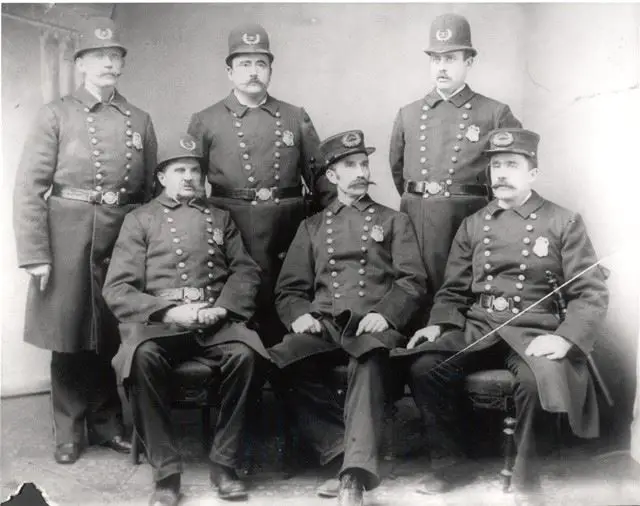
Police officers and sheriffs were responsible for maintaining public order, enforcing laws, and protecting communities. In the nineteenth and early twentieth centuries, law enforcement systems varied widely, ranging from small-town sheriffs to organized municipal police departments in growing cities.
Sheriffs were typically county-level officials, often elected, while police officers were usually employed by towns or cities. Both roles played essential parts in local governance and public safety.
In many communities, especially rural areas, law enforcement responsibilities were limited and often combined with other duties.
How the Job Was Described
Historical records may list:
- Police officer
- Policeman
- Constable
- Sheriff
- Deputy sheriff
- Marshal
- Town marshal
- Watchman
In smaller communities, titles such as constable or marshal were common. In larger cities, structured police departments introduced more standardized titles.
Sheriffs and deputies may also appear in county government records.
Duties & Daily Work
Police officers and sheriffs performed responsibilities such as:
- Maintaining public order
- Enforcing local and state laws
- Serving warrants and legal papers
- Making arrests
- Supervising jails or holding facilities
- Responding to crimes and disturbances
In rural areas, sheriffs often covered large geographic regions and handled a wide range of responsibilities with limited resources.
Municipal police officers typically worked within defined districts or neighborhoods.
Tools, Equipment & Work Environment
Law enforcement relied on tools and equipment such as:
- Badges and official identification
- Firearms and basic weapons
- Handcuffs or restraints
- Batons or clubs
- Jails or holding cells
Work environments included city streets, county jurisdictions, courthouses, and detention facilities. Conditions varied greatly depending on location and time period.
Employment Structure & Authority
Police officers and sheriffs operated within different structures:
- Municipal police departments employed officers in cities and towns
- County governments oversaw sheriffs and deputies
- Constables and marshals often served smaller jurisdictions
- Sheriffs were frequently elected officials, while police officers were appointed or hired
- Law enforcement roles often involved political connections, particularly for sheriffs and appointed positions.
Records Created by Law Enforcement Work
Police officers and sheriffs may appear in:
- City directories
- County government records
- Election records (for sheriffs)
- Court documents and legal proceedings
- Jail registers and prisoner records
- Newspaper reports of arrests and investigations
- Official reports and municipal records
Because law enforcement was closely tied to the legal system, documentation is often extensive.
A Note on Historical Context
As populations grew and communities became more complex, organized law enforcement systems developed to maintain order. Early systems often relied on part-time or informal officers, evolving into structured departments in urban areas.
Sheriffs played a central role in county government, often responsible for tax collection, jail management, and court enforcement in addition to policing duties.
Understanding these roles helps explain differences in record types and responsibilities across regions.
Newspapers & Periodicals
Police officers and sheriffs appear frequently in newspapers through:
- Crime reports and arrests
- Court case coverage
- Public notices and warrants
- Election results for sheriffs
- Community safety reports
Newspapers often provide detailed accounts of incidents involving law enforcement personnel.
Risks, Hazards & Legal Exposure
Law enforcement work carried risks such as:
- Physical confrontations
- Injury during arrests
- Exposure to dangerous situations
- Public scrutiny and accountability
- Legal liability for actions taken in official capacity
Incidents involving officers often resulted in newspaper coverage and court documentation.
Industry Terminology (Selected)
- Sheriff – County-level law enforcement official
- Deputy – Assistant to a sheriff
- Constable – Local law enforcement officer
- Marshal – Law officer in smaller jurisdictions
- Warrant – Legal authorization for arrest or search
These terms frequently appear in court records, newspapers, and government documents.
Selected Free Research Starting Points
Researchers may find useful background materials and contextual resources through:
- Library of Congress collections related to law enforcement and public life
- National Archives records involving courts, law enforcement, and federal marshals
- State archives preserving county and municipal records
- Local historical societies with jail and court records
- Internet Archive and HathiTrust collections of legal manuals, policing guides, and government reports
Availability varies by region and era, but these sources provide valuable context for understanding law enforcement roles.
Why Police Officers & Sheriffs Matter to Genealogical Research
Police officers and sheriffs were highly visible figures in their communities and often appear in a wide range of records, including court documents, government records, and newspapers. Understanding their roles helps genealogists interpret civic involvement, political connections, and the legal systems that shaped community life.
If you’d like this information in a clean, printable, and well-organized reference format, this topic is also included in the Quicksheet Vault. The Vault is designed for researchers who prefer working tools they can save, print, and reuse — whether that means building a personal binder of key resources or keeping reliable references close at hand. You can learn more about the Quicksheet Vault HERE