Background
Historical Occupation Profiles explain what ancestors actually did for a living and how those occupations shaped the records genealogists rely on today.
Occupation Overview
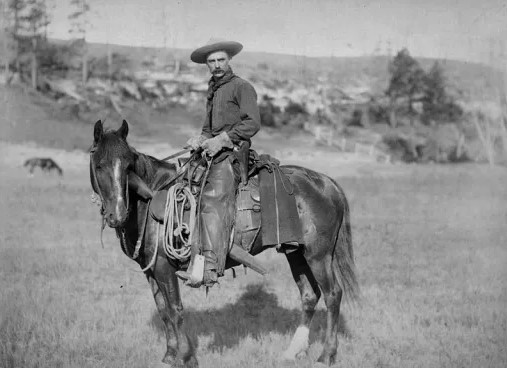
Ranch hands and cowboys worked on ranches managing livestock, particularly cattle, in the nineteenth and early twentieth centuries. Their work was central to the development of the livestock industry, especially in the American West.
Ranch work involved long hours outdoors, often in remote areas. Cowboys became iconic figures associated with cattle drives, open-range grazing, and frontier life.
How the Job Was Described
Historical records may list:
- Cowboy
- Ranch hand
- Stockman
- Cattle hand
- Drover
- Herder
- Laborer (ranch context)
In some records, more general terms such as “laborer” may be used, requiring context to identify ranch work.
Duties & Daily Work
Ranch hands and cowboys performed tasks such as:
- Herding cattle and livestock
- Participating in cattle drives
- Branding and marking animals
- Repairing fences and maintaining ranch property
- Feeding and caring for livestock
- Managing horses and equipment
Work was seasonal and physically demanding, often requiring extended time away from settlements.
Tools, Equipment & Work Environment
Ranch work relied on tools and equipment such as:
- Horses and saddles
- Ropes and lassos
- Branding irons
- Firearms (for protection and herd control)
- Wagons and basic tools
Work environments were rural and often remote, including open ranges, ranch lands, and temporary camps.
Employment Structure & Work Patterns
Ranch hands were typically employed by:
- Ranch owners
- Cattle companies
- Agricultural operations
- Large livestock enterprises
Work could be seasonal, with increased demand during cattle drives or branding periods.
Many workers moved between ranches depending on employment opportunities.
Records Created by Ranch Work
Ranch hands and cowboys may appear in:
- Census records
- Ranch employment records
- Land and livestock records
- Brand registration records
- Local histories and memoirs
- Newspaper accounts of cattle drives or ranch activity
Documentation may be limited, especially for transient workers.
A Note on Historical Context
The cattle industry expanded rapidly in the nineteenth century, particularly in the western United States. Open-range grazing and long cattle drives defined early ranch work.
Over time, fencing, railroads, and changing land use reduced the need for long drives and altered the nature of ranch labor.
The image of the cowboy became a lasting cultural symbol, though daily work was often routine and physically demanding.
Newspapers & Periodicals
Ranch hands and cowboys appear in newspapers through:
- Reports of cattle drives
- Livestock market news
- Accidents or incidents on ranches
- Regional agricultural reports
- Obituaries referencing ranch work
Coverage may vary depending on region and economic importance of livestock.
Risks, Hazards & Working Conditions
Ranch work involved risks such as:
- Injuries from livestock
- Falls from horses
- Exposure to weather
- Accidents during cattle drives
- Isolation and limited medical care
These risks were part of daily life in ranching environments.
Industry Terminology (Selected)
- Cattle drive – Movement of livestock over long distances
- Brand – Mark used to identify ownership of livestock
- Range – Grazing land
- Drover – Person driving livestock
- Roundup – Gathering of cattle for branding or sale
These terms frequently appear in agricultural records and historical accounts.
Selected Free Research Starting Points
Researchers may find useful background materials and contextual resources through:
- Library of Congress collections related to western history and agriculture
- National Archives records involving land and livestock
- State archives preserving ranch and agricultural records
- Local historical societies documenting ranching communities
- Internet Archive and HathiTrust collections of ranching guides and historical narratives
Availability varies by region and era, but these sources provide valuable context for understanding ranch work.
Why Ranch Hands & Cowboys Matter to Genealogical Research
Ranch hands and cowboys were part of a mobile labor force tied to livestock and agriculture. Understanding their work helps genealogists interpret migration patterns, rural employment, and the economic role of ranching in specific regions.
If you’d like this information in a clean, printable, and well-organized reference format, this topic is also included in the Quicksheet Vault. The Vault is designed for researchers who prefer working tools they can save, print, and reuse — whether that means building a personal binder of key resources or keeping reliable references close at hand. Learn more about the 300+ Quicksheets in the Vault HERE