Background
Historical Occupation Profiles explain what ancestors actually did for a living and how those occupations shaped the records genealogists rely on today.
Occupation Overview
Schoolteachers educated children and youth in reading, writing, arithmetic, and other subjects within local schools. In the nineteenth and early twentieth centuries, teaching was one of the most common professional occupations, particularly for women.
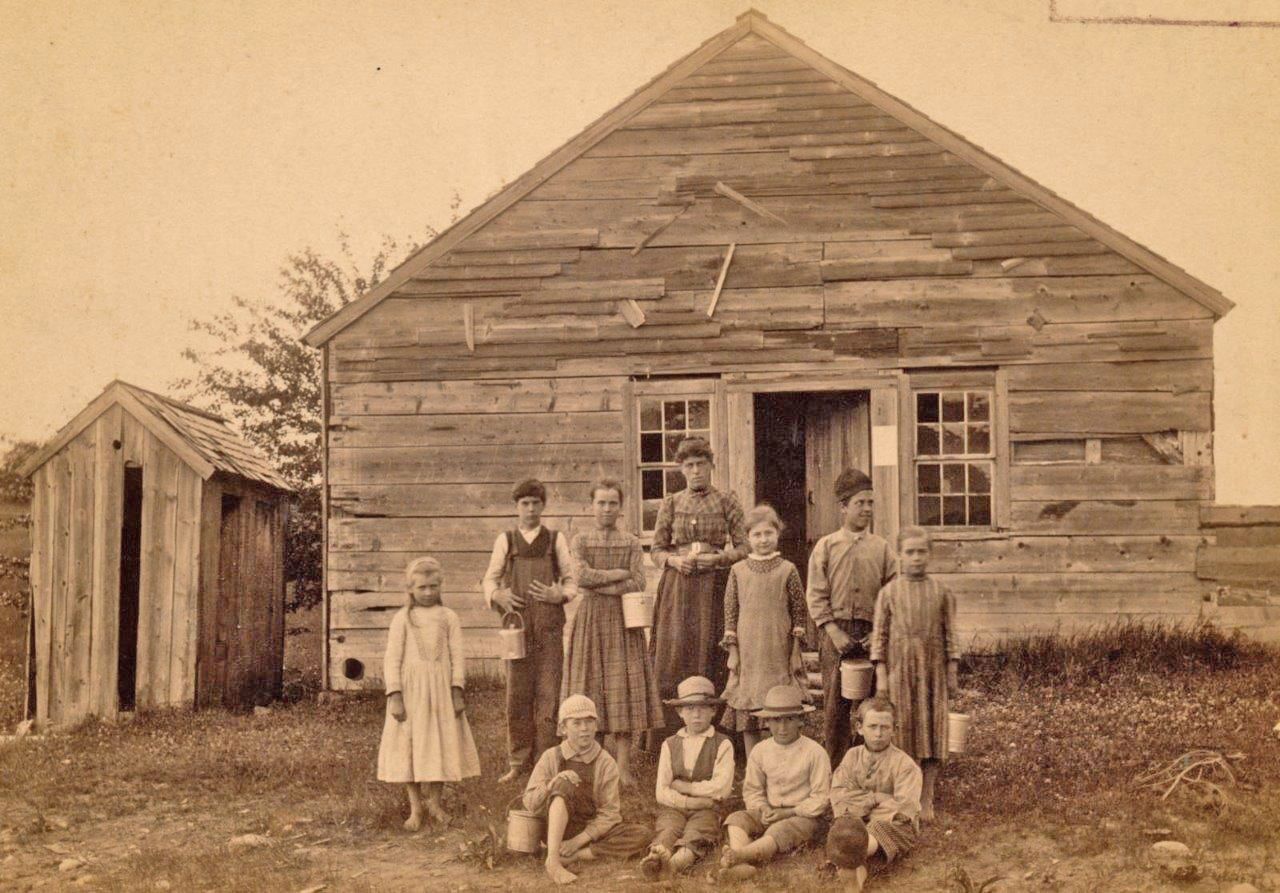
Schools ranged from one-room rural schoolhouses to larger graded schools in towns and cities. Teachers were often central figures in their communities, responsible not only for instruction but also for discipline, recordkeeping, and community engagement.
How the Job Was Described
Historical records may list:
- Teacher
- Schoolteacher
- School mistress
- Schoolmaster
- Instructor
- Educator
- Public school teacher
- Private school teacher
In many census records, the simple term “teacher” appears. In earlier periods, “schoolmaster” or “school mistress” may be used.
Duties & Daily Work
Schoolteachers were responsible for a wide range of tasks:
- Teaching reading, writing, arithmetic, and other subjects
- Managing classroom discipline
- Preparing lessons and instructional materials
- Maintaining attendance records
- Organizing school activities
- Supervising students of multiple ages (especially in rural schools)
In one-room schoolhouses, a single teacher often instructed students across several grade levels at the same time.
Tools, Equipment & Work Environment
Teaching relied on materials such as:
- Blackboards and chalk
- Slates and writing materials
- Textbooks and primers
- Attendance registers
- Teaching manuals and lesson guides
School environments ranged from simple rural buildings to more structured urban classrooms. Facilities varied widely depending on location and funding.
Employment Structure & Professional Life
Schoolteachers were typically employed by:
- Local school districts
- Town or county education boards
- Private or religious schools
Teaching was often a temporary occupation, especially for women, many of whom left the profession upon marriage.
Teachers were usually required to meet basic educational standards and, in some regions, obtain teaching certificates.
Records Created by Teaching Work
Schoolteachers may appear in:
- Population census records
- School registers and attendance records
- Teacher certification records
- School board minutes
- City directories
- Local histories and school reports
- Yearbooks and school publications
Educational records are often well preserved and can provide detailed information about both teachers and students.
A Note on Historical Context
Education expanded significantly during the nineteenth century, with increased emphasis on public schooling and literacy. Teaching became one of the few socially acceptable professions for women outside the home.
In rural areas, teachers were often young and unmarried, sometimes boarding with local families. In urban areas, teaching could provide a more stable and long-term career.
Changes in education systems, including graded schools and standardized curricula, influenced the structure of teaching work over time.
Newspapers & Periodicals
Schoolteachers appear in newspapers through:
- School announcements and events
- Teacher appointments and resignations
- Examination results and school reports
- Community activities involving schools
- Obituaries referencing years of teaching service
Teachers were often mentioned in connection with community and educational events.
Risks, Challenges & Professional Expectations
Teaching carried challenges such as:
- Managing large or mixed-age classrooms
- Maintaining discipline with limited resources
- Low wages, particularly in rural areas
- Frequent relocation for employment
- Restrictions on personal conduct, especially for women
In some communities, teachers were expected to follow strict social and moral guidelines.
Industry Terminology (Selected)
- Schoolhouse – Building used for instruction
- School district – Local administrative unit for education
- Certificate – Credential allowing an individual to teach
- Boarding – Living arrangement with local families
- Term – Length of a school session
These terms frequently appear in educational records and local documents.
Selected Free Research Starting Points
Researchers may find useful background materials and contextual resources through:
- Library of Congress collections related to education and rural life
- National Archives records involving education and census data
- State archives preserving school records and teacher certifications
- University collections focused on educational history
- Internet Archive and HathiTrust collections of textbooks, teaching manuals, and school reports
Availability varies by region and era, but these sources provide valuable context for understanding teaching roles.
Why Schoolteachers Matter to Genealogical Research
Schoolteachers appear frequently in census records and educational documents, making them easier to trace than many other occupations. Understanding teaching roles helps genealogists interpret social status, education levels, community involvement, and the movement of individuals within school systems.
If you’d like this information in a clean, printable, and well-organized reference format, this topic is also included in the Quicksheet Vault. The Vault is designed for researchers who prefer working tools they can save, print, and reuse — whether that means building a personal binder of key resources or keeping reliable references close at hand. You can learn more about the Quicksheet Vault HERE