Background
Historical Occupation Profiles explain what ancestors actually did for a living and how those occupations shaped the records genealogists rely on today.
Occupation Overview
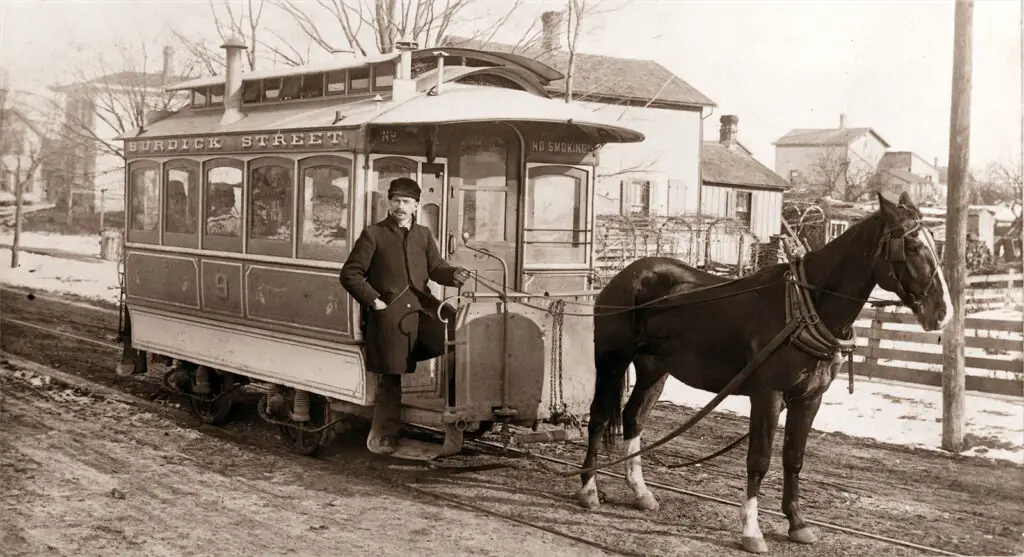
Streetcar conductors worked on urban transit systems that transported passengers within cities during the nineteenth and early twentieth centuries. Streetcars, powered first by horses and later by electricity, were a primary mode of public transportation in many urban areas.
Conductors were responsible for managing passengers, collecting fares, and ensuring orderly operation of the streetcar.
How the Job Was Described
Historical records may list:
- Streetcar conductor
- Conductor (street railway context)
- Motorman (operator of the streetcar)
- Railway employee
- Transit worker
In some records, conductors and motormen are listed separately, reflecting different roles within the streetcar system.
Duties & Daily Work
Streetcar conductors performed tasks such as:
- Collecting fares from passengers
- Assisting passengers boarding and exiting
- Managing passenger flow
- Communicating with the motorman
- Maintaining order on the streetcar
- Keeping records of fares and routes
Work was structured around fixed routes and schedules within urban environments.
Tools, Equipment & Work Environment
Streetcar work relied on equipment such as:
- Fare boxes
- Ticket punches
- Uniforms and badges
- Communication signals
- Streetcar vehicles and tracks
Work environments included busy city streets and transit lines, often requiring long hours and interaction with the public.
Employment Structure & Transit Systems
Streetcar conductors were employed by:
- Street railway companies
- Municipal transit systems
- Private transportation companies
Transit systems were often large employers in urban areas, with structured roles and schedules.
Workers typically operated within assigned routes and shifts.
Records Created by Streetcar Work
Streetcar conductors may appear in:
- City directories
- Transit company employment records
- Union membership records
- Municipal records
- Newspaper accounts of transit systems
Employment in transit systems often generated structured records.
A Note on Historical Context
Streetcars were central to urban growth, allowing cities to expand beyond walking distance. The transition from horse-drawn cars to electric streetcars increased efficiency and capacity.
As automobiles and buses became more common, streetcar systems declined or were replaced.
Understanding streetcar systems helps explain urban development and commuting patterns.
Newspapers & Periodicals
Streetcar conductors appear in newspapers through:
- Transit system announcements
- Accident reports
- Labor disputes or strikes
- Route changes and service updates
- Obituaries referencing years of service
Streetcar systems were highly visible, leading to frequent coverage in local newspapers.
Risks, Hazards & Working Conditions
Streetcar work involved risks such as:
- Accidents involving vehicles or pedestrians
- Long working hours
- Exposure to weather
- Interaction with large numbers of passengers
- Workplace stress related to schedules and safety
Incidents were often reported in newspapers or municipal records.
Industry Terminology (Selected)
- Conductor – Worker responsible for passengers and fares
- Motorman – Operator controlling the streetcar
- Fare – Payment for transportation
- Route – Designated path of travel
- Street railway – Urban transit system
These terms frequently appear in transit records and newspapers.
Selected Free Research Starting Points
Researchers may find useful background materials and contextual resources through:
- Library of Congress collections related to urban transportation
- National Archives records involving transportation systems
- State archives preserving transit and municipal records
- Local historical societies documenting streetcar systems
- Internet Archive and HathiTrust collections of transit manuals and reports
Availability varies by region and era, but these sources provide valuable context for understanding streetcar work.
Why Streetcar Conductors Matter to Genealogical Research
Streetcar conductors were part of the urban workforce and appear frequently in city directories and employment records. Understanding their role helps genealogists interpret urban living patterns, employment stability, and connections to transportation systems.
If you’d like this information in a clean, printable, and well-organized reference format, this topic is also included in the Quicksheet Vault. The Vault is designed for researchers who prefer working tools they can save, print, and reuse — whether that means building a personal binder of key resources or keeping reliable references close at hand. Learn more about the 300+ Quicksheets in the Vault HERE