Background
Historical Occupation Profiles explain what ancestors actually did for a living and how those occupations shaped the records genealogists rely on today.
Occupation Overview
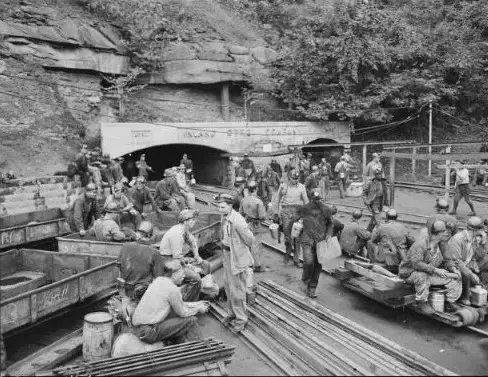
Miners extracted raw materials—coal, gold, silver, copper, iron, and other ores—from the earth to fuel industry, transportation, and settlement. From the early 1800s through the turn of the twentieth century, mining was among the most physically demanding and hazardous occupations, producing distinctive records across companies, governments, courts, and communities.
“Miner” is a broad label. The skills required, working conditions, and records created varied widely depending on what was mined, how it was mined, and where the work occurred.
How the Job Was Described
Historical records usually identify miners by type of mining or method, not simply as “miner.”
Common descriptions include:
- coal miner
- gold miner
- silver miner
- copper miner
- iron miner
- hard-rock miner
- placer miner
- quartz miner
- drift miner
Newspapers and records often assumed readers understood these distinctions, making context essential when interpreting a miner’s occupation.
Duties & Daily Work
Daily work depended heavily on the mineral being extracted:
- Coal miners worked underground, cutting coal seams and loading carts for surface transport.
- Hard-rock miners (gold, silver, copper) drilled, blasted, and removed ore from shafts and tunnels.
- Placer miners separated gold from riverbeds and surface deposits using pans, rockers, or sluices.
- Iron miners worked large open pits or deep shafts tied closely to regional industrial development.
Workdays were long, conditions were dark and confined, and labor was often seasonal or boom-and-bust—factors that directly affect how miners appear (or disappear) in records.
Tools, Equipment & Work Environment
Mining required specialized tools that frequently appear in accident reports and legal records:
- Picks, shovels, drills, and wedges
- Blasting powder and fuses
- Mine carts and hoists
- Headlamps, candles, and safety lamps
- Sluices, pans, and stamp mills (for ore processing)
Because tools were dangerous and failure was common, equipment is often described in detail when incidents occurred.
Organizations, Unions & Professional Life
Miners were early participants in organized labor, especially in coal and hard-rock regions.
Associations included:
- Local miners’ unions
- Regional mining lodges
- Benefit and relief societies
- Fraternal organizations tied to mining camps
Membership generated records such as dues lists, strike notices, benefit payments, and death claims—often naming family members and next of kin.
Records Created by Mining Work
Mining created a wide and fragmented documentary trail:
- Company payrolls and employment registers
- Claim filings and land patents
- Mine inspection and safety reports
- Accident, injury, and compensation records
- Coroner’s inquests and court proceedings
- Union membership and benefit files
- Trade journals and mining reports
Records may be scattered across county offices, state agencies, federal land offices, and private company archives.
A Note on Historical Context
Few occupations illustrate event-driven migration as clearly as mining. Gold and silver discoveries triggered sudden population surges, drawing workers from across the United States and abroad. Mining camps often evolved rapidly into towns, while others vanished just as quickly when deposits were exhausted.
This volatility explains why miners may appear briefly in one location, then resurface hundreds of miles away in later records.
Newspapers & Periodicals
Mining was highly visible and frequently covered in newspapers due to its economic importance and inherent danger.
Miners appear in:
- Accident and cave-in reports
- Mine openings and closures
- Labor disputes and strikes
- Claim disputes and court cases
- Obituaries noting years or locations of service
Newspapers often provide narrative detail that formal records omit.
Risks, Accidents & Legal Exposure
Mining was among the most dangerous occupations of the nineteenth century.
Common incidents included:
- Cave-ins and tunnel collapses
- Explosions from blasting powder
- Poisonous gas exposure
- Flooding of shafts
- Equipment failures
Serious incidents typically produced multiple layers of documentation, making mining families disproportionately visible in legal and newspaper records.
Industry Terminology (Selected)
- Claim – A legally defined mining property
- Hard-rock mining – Mining solid rock containing ore
- Placer mining – Extracting minerals from loose surface deposits
- Sluice – Channel used to separate gold from sediment
- Stamp mill – Machinery used to crush ore
Such terms frequently appear without explanation in historical records.
Why Miners Matter to Genealogical Research
Mining shaped migration patterns, community formation, labor organization, and record creation in profound ways. Understanding the type of mining, location, and era helps genealogists interpret occupational labels, predict record types, and explain sudden geographic movement in an ancestor’s life.
If you use Quicksheets often, the Quicksheet Vault puts 450+ of them in one organized place — clean, printable, and easy to reuse whenever you need them. Whether you keep digital references handy or build your own genealogy binder, the Vault makes research simpler. Learn more about the Quicksheet Vault HERE