Background
Historical Occupation Profiles explain what ancestors actually did for a living and how those occupations shaped the records genealogists rely on today.
Occupation Overview
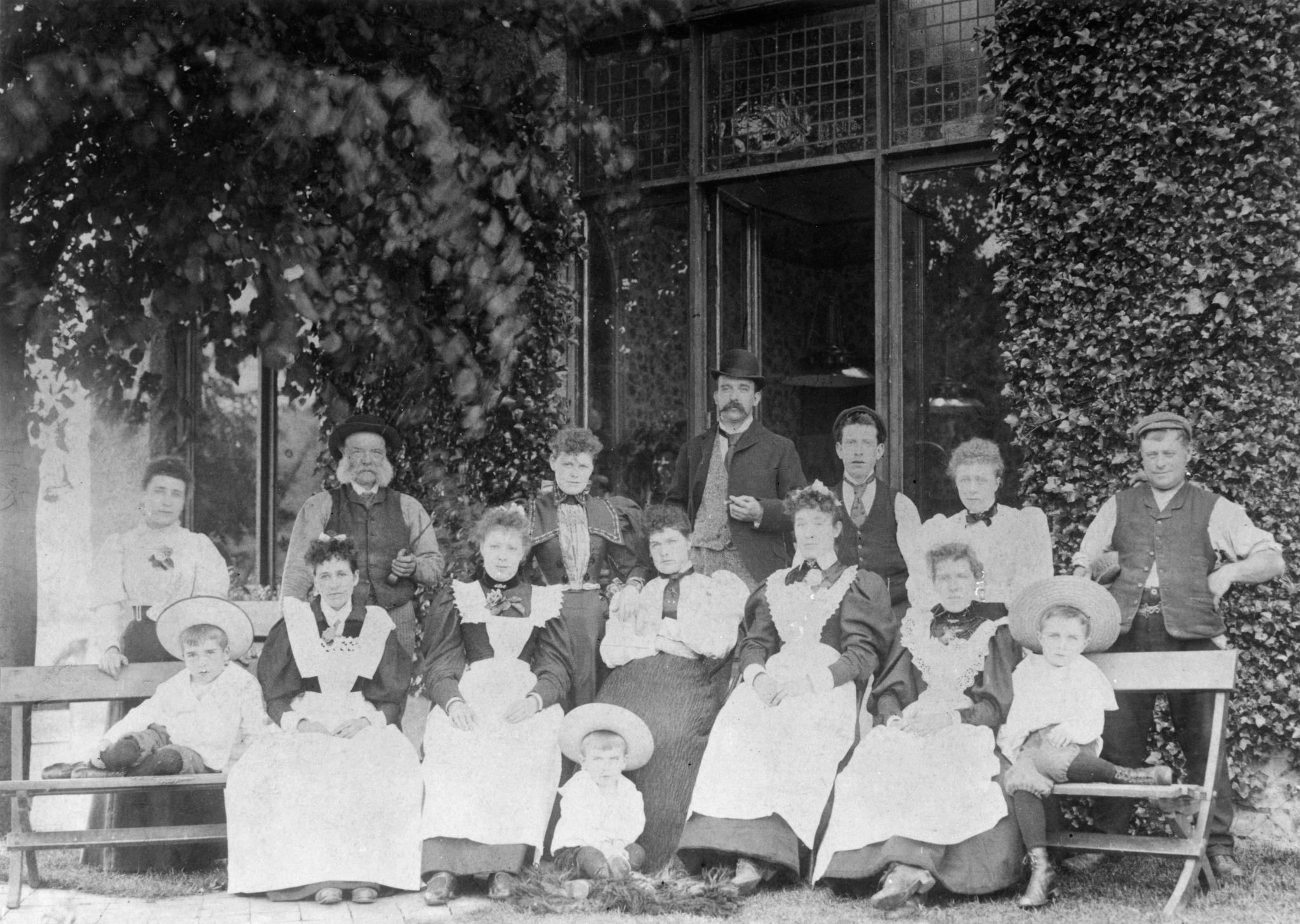
Domestic servants performed household labor within private homes. In the nineteenth and early twentieth centuries, domestic service was one of the most common occupations for women, particularly young, unmarried women and recent immigrants.
Domestic servants worked in urban households, rural homes, boardinghouses, and estates. Unlike factory or industrial labor, domestic service took place within family residences, shaping both working conditions and the types of records created.
How the Job Was Described
Historical records frequently identify domestic servants by specific household role.
Common descriptions include:
- servant
- domestic
- maid
- housemaid
- cook
- chambermaid
- nurse (household context)
- hired girl
- hired help
Census entries may list a person simply as “servant,” often within the employer’s household. The relationship column may identify them separately from family members.
Context matters: a young woman listed as “servant” in a non-family household is often a live-in employee.
Duties & Daily Work
Domestic servants’ responsibilities depended on household size and wealth.
Tasks commonly included:
- Cooking and meal preparation
- Cleaning and laundry
- Childcare
- Serving meals
- Maintaining fires and heating
- Running errands
In larger households, duties were specialized. In smaller homes, one servant might perform all tasks.
Most domestic servants lived in their employer’s residence, blurring the line between workplace and home.
Living Arrangements & Employment Structure
Domestic service often required live-in employment. This created distinctive census patterns:
- Servants listed within unrelated households
- Clusters of young women of similar age
- Frequent occupational continuity across census years
Servants were typically paid wages, though compensation could include room and board.
Immigrant women—particularly from Ireland, Germany, Scandinavia, and later Southern and Eastern Europe—were heavily represented in domestic service in many regions.
Records Created by Domestic Service
Domestic servants rarely generated centralized employment files, but documentation may appear in:
- Census records (especially relationship columns)
- City directories
- Employment agency records (where preserved)
- Household account books
- Estate and probate inventories
- Immigration and naturalization records
- Boardinghouse records
Because servants worked inside private homes, their documentation is often indirect.
A Note on Historical Context
Domestic service provided economic opportunity, particularly for young women migrating from rural areas or arriving as immigrants. In many cities, domestic employment was one of the few occupations available to unmarried women.
Service often functioned as a transitional occupation before marriage. Understanding this pattern helps explain why a woman listed as a servant in one census may appear as a spouse and mother in the next.
Domestic service also intersected with racial and regional history. In the American South, formerly enslaved women frequently entered domestic work after emancipation, shaping post–Civil War labor patterns.
Newspapers & Periodicals
Domestic servants appear in newspapers through:
- Employment advertisements
- Notices seeking household help
- Court cases involving disputes or theft allegations
- Obituaries referencing long service in a household
- Social columns mentioning prominent families and staff
Classified sections of newspapers often provide insight into wage expectations and hiring practices.
Risks, Vulnerabilities & Legal Exposure
While not industrially hazardous, domestic service carried its own risks:
- Workplace disputes
- Allegations of theft
- Long working hours
- Limited privacy
- Dependence on employer reputation
Legal cases involving domestic employees can generate court records and newspaper coverage.
Industry Terminology (Selected)
- Hired girl – Young female domestic employee
- Live-in servant – Employee residing in employer’s home
- Chambermaid – Servant responsible for bedrooms
- Domestic – General term for household worker
- Household staff – Collective term for multiple servants
These terms frequently appear in census records, directories, and classified advertisements.
Selected Free Research Starting Points
Researchers may find useful background materials and contextual resources through:
- Library of Congress: photographs and social surveys of household labor
- National Archives: immigration, labor, and census records
- State archives and university social history collections
- Scholarly and nonprofit labor history sites
- Internet Archive and HathiTrust: domestic service manuals, household management guides, and social studies publications
Availability varies by region and era, but these sources provide valuable context for interpreting domestic employment.
Why Domestic Servants Matter to Genealogical Research
Domestic service was one of the most common occupations for women in the nineteenth and early twentieth centuries. Recognizing the patterns of live-in employment, immigration pathways, and transitional labor helps genealogists interpret census entries, explain geographic movement, and identify indirect records tied to household employment.
If you use Quicksheets often, the Quicksheet Vault puts 450+ of them in one organized place — clean, printable, and easy to reuse whenever you need them. Whether you keep digital references handy or build your own genealogy binder, the Vault makes research simpler. Learn more about the Quicksheet Vault HERE