The Ancestor Hunt regularly adds and updates new collection links, as well as searches for and fixes broken links.
(This page's most recent update is February 2026)
Want to improve your newspaper research skills? Become an AcademyPro member of the Newspaper Research Academy at Academy
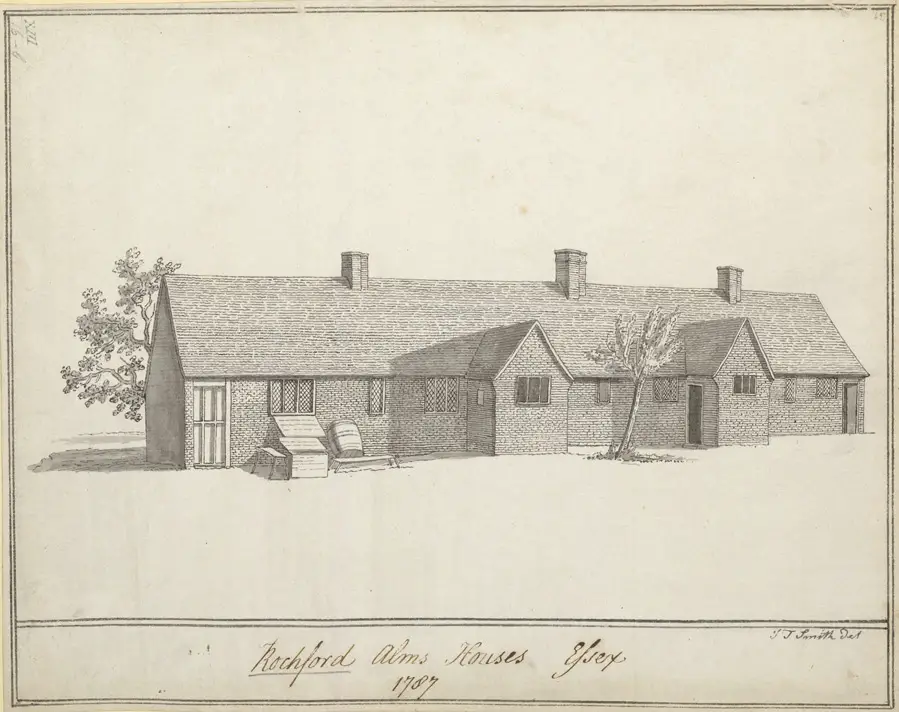
Almshouses and poorhouses were public institutions established to provide shelter and basic care for individuals unable to support themselves. Residents often included the elderly poor, widows, disabled individuals, orphaned children, and those experiencing financial hardship. Despite common assumptions, not all residents were permanently destitute; many stayed temporarily during periods of crisis.
Purpose and Operation
These institutions were typically funded and administered at the county level. Their purpose was to reduce public begging and provide centralized relief for the indigent.
They may appear in records under names such as:
- Almshouse
- Poorhouse
- County Home
- County Farm
- Poor Farm
- House of Industry
- Workhouse
Terminology varies by region and era.
Who Lived There
Residents commonly included:
- Elderly individuals without family support
- Widows and dependent children
- Disabled or chronically ill persons
- Individuals with mental illness (before state hospitals expanded)
- Transient poor
- Unemployed laborers
Children were sometimes placed temporarily until relatives could assume care.
Types of Records
Almshouse and poorhouse records may include:
- Admission registers
- Discharge records
- Resident lists
- County expense ledgers
- Medical logs
- Death registers
- Burial records
Some counties kept detailed case files; others recorded only names and dates.
Clues in Census Records
Residents were often enumerated in federal or state census schedules under the institution name. They may be listed as:
- “Inmate”
- “Pauper”
- “Alms inmate”
- “County Farm resident”
Institutional schedules group residents together, sometimes without full family context.
Related Records
Additional information may be found in:
- County court minutes
- Overseer of the Poor records
- Tax relief petitions
- Guardianship proceedings
- Cemetery records associated with the institution
- Newspaper notices regarding county expenditures
Research Considerations
Admission to an almshouse did not always indicate lifelong poverty. Economic downturns, crop failures, illness, or death of a breadwinner could lead to temporary institutional residence.
Understanding the local terminology used in a particular county is critical when searching for these records.
Many almshouse cemeteries were poorly marked, and burial registers may be the only surviving record of death.
If you’d like this information in a clean, printable, and well-organized reference format, this topic is also included in the Quicksheet Vault. The Vault is designed for researchers who prefer working tools they can save, print, and reuse — whether that means building a personal binder of key resources or keeping reliable references close at hand. You can learn more about the Quicksheet Vault HERE