The Ancestor Hunt regularly adds and updates new collection links, as well as searches for and fixes broken links.
(This page's most recent update is February 2026)
Want to improve your newspaper research skills? Become an AcademyPro member of the Newspaper Research Academy at Academy
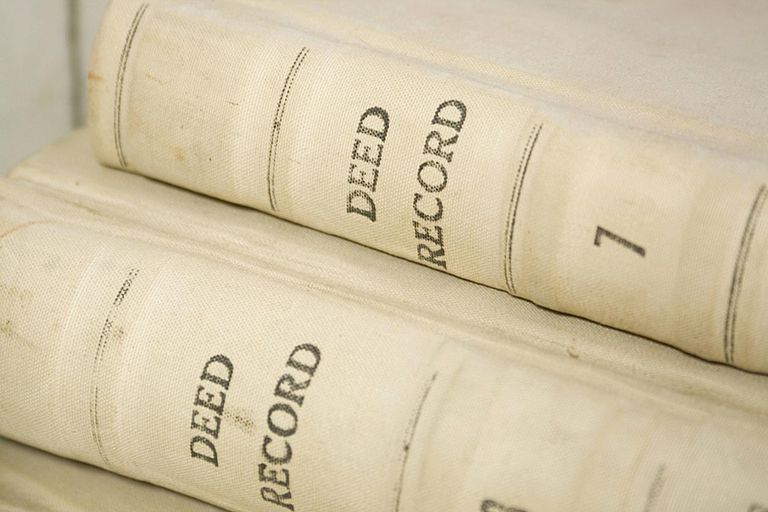
Land records aren’t just about who owned a piece of ground. They can reveal family relationships, migration paths, neighbors, and even financial trouble. If you’re skipping deeds and property records, you’re missing a major part of your ancestors’ lives.
Why Land Records Matter for Genealogy
- Show where your ancestor lived and for how long.
- Identify neighbors and relatives living nearby.
- Reveal family relationships through co-owners, heirs, or witnesses.
- Track migration as people sell land in one place and buy in another.
- Offer clues about occupation and economic status (farmer, merchant, investor, etc.).
Key Types of Land and Property Records
- Deeds (grantor/grantee books) – show who bought and sold land.
- Mortgages and liens – reveal debt, financial pressure, or business dealings.
- Tax rolls – list landholders, acreage, and sometimes improvements.
- Plat maps – show property boundaries and neighboring landowners.
- Land grants / patents – for original owners, especially in frontier areas.
Genealogy Clues to Look For
- Names of spouses and heirs in deeds and releases.
- “Heirs of…” language in sales after a death.
- Multiple family surnames in one transaction.
- Witnesses and neighbors who appear repeatedly with your ancestor.
- Exact legal descriptions that tie to maps (“NW ¼ of Section 10…”).
- Sales right before a move that hint at migration timing.
Practical Tips for Using Land
- Always check both sides of the index:
- Grantor index = your ancestor selling.
- Grantee index = your ancestor buying.
- Follow every transaction forward and backward in time.
- Note neighbors’ names and see if they travel with your family into later records.
- Use plat maps and atlases to visualize the neighborhood.
- Compare dates with census, tax, and probate records to build a timeline.
Where to Find Them
- County courthouses and recorders’ offices.
- State archives and land offices.
- Digitized collections on FamilySearch, some state archives, and other online repositories.
Example Starting Point
- FamilySearch Research Wiki – United States Land and Property Records: https://www.familysearch.org/en/wiki/United_States_Land_and_Property
If you’d like this information in a clean, printable, and well-organized reference format, this topic is also included in the Quicksheet Vault. The Vault is designed for researchers who prefer working tools they can save, print, and reuse—whether that means building a personal binder of key resources or keeping reliable references close at hand. You can learn more about the Quicksheet Vault HERE