Introduction:
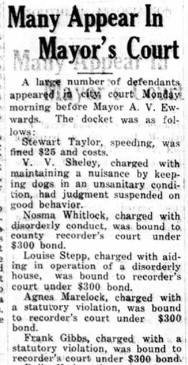
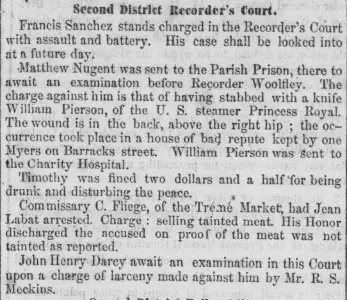
Ever wondered where your ancestors’ everyday legal troubles were recorded? Not every court case involved murder, major theft, or headline-grabbing drama. In fact, many of the most revealing encounters with the legal system appeared quietly in newspaper columns under headings like “Recorder’s Court,” “Police Court,” or “Municipal Court.” These brief docket summaries captured the small but telling moments of daily life—fines, disputes, misdemeanors, and minor offenses that rarely appear in formal court records. If you’re looking to understand how your ancestors interacted with authority, neighbors, or local ordinances, these columns are an overlooked goldmine.
Where to Find Them:
- Daily or weekly court summary columns
- Sections titled Recorder’s Court, Police Court, or City Court
- Municipal and town newspapers
- Legal notice pages and local news briefs
- Small-town papers covering multiple nearby jurisdictions
What You’ll Discover:
- Names of defendants, complainants, witnesses, and officers
- Charges such as disorderly conduct, public drunkenness, assault, vagrancy, gambling, or petty theft
- Fines imposed, jail sentences, or cases dismissed
- Employers, addresses, or occupations occasionally noted
- Family disputes, neighbor conflicts, and business disagreements
- Repeated appearances revealing patterns of behavior
- Social context explaining arrests tied to poverty, alcohol, or local customs
Why It Matters for Genealogy:
Recorder’s Court dockets humanize your ancestors in ways few records can. They reveal struggles, conflicts, and everyday pressures that shaped real lives—often during periods of economic hardship or social change. These notices can explain sudden moves, missing census entries, broken family relationships, or changes in employment. For African American, immigrant, and working-class ancestors especially, Recorder’s Court columns may be the only surviving documentation of their interactions with the justice system. When combined with city directories, census records, and newspapers from surrounding years, these minor cases often provide major insight.
Examples: