Introduction:
Ever wondered how disease outbreaks affected your ancestors’ daily lives?
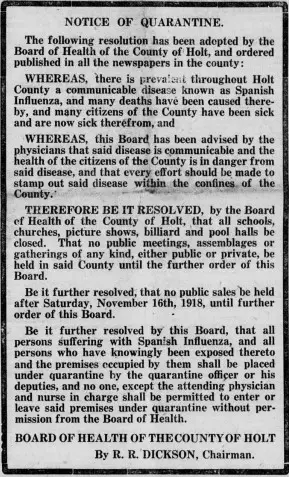
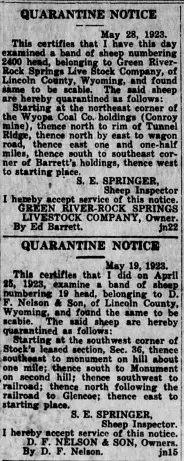
Long before centralized health departments and modern reporting systems, newspapers served as the primary public warning system during epidemics. Quarantine Notices alerted communities to outbreaks of contagious diseases such as smallpox, measles, scarlet fever, diphtheria, and influenza. These brief but urgent announcements named households, streets, schools, ships, and entire neighborhoods placed under restriction. For genealogists, they offer rare insight into illness, isolation, and survival during times of public health crisis.
Where to Find Them:
• Local news columns and public health notices
• Sections titled “Health Department Notices,” “Quarantine,” or “Public Health Warnings”
• City council or board of health reports
• Port and immigration-related newspaper sections
• Rural weeklies covering county-wide health conditions
What You’ll Discover:
• Names of infected individuals or heads of household
• Addresses or neighborhoods under quarantine
• Diseases involved and duration of isolation
• School closures and restrictions on public gatherings
• Release-from-quarantine notices indicating recovery or death
• Ships, trains, or communities placed under inspection
• Clues explaining sudden deaths, absences, or relocations
Why It Matters for Genealogy:
Quarantine notices help explain gaps in records, abrupt family losses, and sudden changes in residence. They may provide the only contemporary documentation of illnesses that never appeared on death certificates or medical records. For families affected by repeated outbreaks, these notices establish timelines of exposure and recovery that add depth and realism to ancestral narratives. When combined with burial records, obituaries, school reports, and census data, quarantine notices help genealogists understand not just when ancestors lived—but what they endured.
Examples: