Introduction:
Ever wondered exactly when your ancestors arrived, departed, or passed through a town?
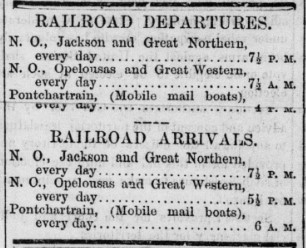
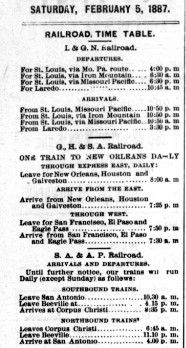
Before highways and airports reshaped travel, the railroad timetable was the heartbeat of a community—and newspapers recorded it faithfully. Railroad Arrival and Departure Logs listed daily or weekly train movements, passenger connections, and service updates. These short, utilitarian columns can pinpoint moments of migration, business travel, military movement, or family visits that never made it into official records. When an ancestor suddenly appears—or disappears—railroad logs often explain how and when it happened.
Where to Find Them:
- Daily local newspapers with regular transportation sections
- Columns titled “Railroad Time Table,” “Arrivals and Departures,” “Train Movements,” or “Railway Notes”
- Newspapers published in rail hubs, junction towns, and county seats
- Regional papers reprinting schedules for multiple lines
- Industrial or trade newspapers serving railroad communities
What You’ll Discover:
- Arrival and departure times for passenger and freight trains
- Names and numbers of specific train lines and routes
- Stations served, connections, and transfer points
- Occasional mentions of passengers, dignitaries, or traveling groups
- Service disruptions due to weather, accidents, or strikes
- Seasonal travel patterns tied to agriculture, school terms, or holidays
- Clues linking towns, employers, and migration corridors
Why It Matters for Genealogy:
Railroad logs help reconstruct movement when census records are years apart and passenger lists don’t exist. They provide context for sudden relocations, explain why families split temporarily, and reveal how immigrants and workers navigated expanding rail networks. When paired with city directories, employment records, and personal mention columns, railroad arrivals and departures can help you follow an ancestor step-by-step through time and place. For researchers focused on migration, labor, or military service, these columns often supply the missing links between static records.
Examples: