Background
Historical Occupation Profiles explain what ancestors actually did for a living and how those occupations shaped the records genealogists rely on today.
Occupation Overview
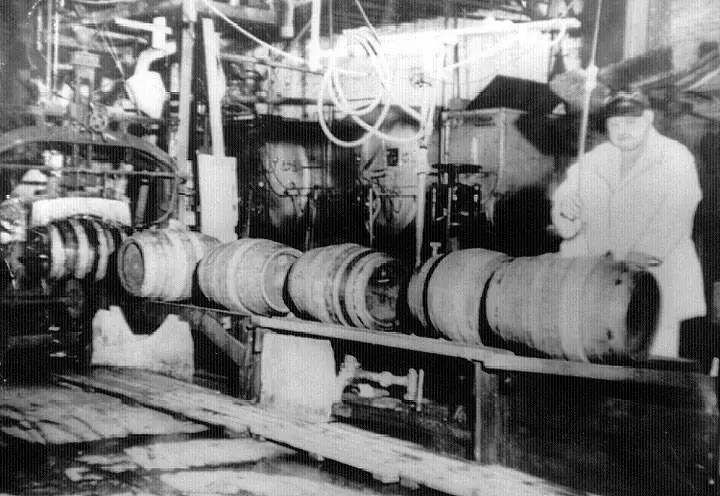
Brewery workers produced beer and other fermented beverages in commercial brewing operations. In the nineteenth and early twentieth centuries, breweries were common in both large cities and smaller towns, often reflecting the cultural traditions of immigrant communities.
Brewing was a multi-step industrial process involving the preparation, fermentation, storage, and distribution of beverages. Workers were employed in a variety of roles depending on the size and structure of the brewery.
How the Job Was Described
Historical records may list:
- Brewer
- Brewery worker
- Brewmaster
- Maltster
- Cooper (barrel maker)
- Laborer (brewery context)
- Cellarman
In some cases, workers may be listed under related trades such as cooper or laborer, depending on their role within the brewery.
Duties & Daily Work
Brewery workers performed tasks such as:
- Preparing and processing grains
- Operating brewing equipment
- Monitoring fermentation processes
- Transferring and storing beer
- Cleaning and maintaining equipment
- Filling barrels or bottles
Work was often divided into specialized roles within the brewery, with skilled workers overseeing key stages of production.
Tools, Equipment & Work Environment
Brewing relied on equipment such as:
- Brewing kettles
- Fermentation tanks
- Barrels and storage containers
- Pumps and piping systems
- Measuring and testing tools
Work environments were typically large, humid facilities with strong odors and active machinery.
Employment Structure & Industry Organization
Brewery workers were employed by:
- Commercial breweries
- Family-owned brewing businesses
- Industrial brewing companies
- Regional or local producers
Many breweries were founded and operated by immigrant families, particularly from Germany and Central Europe, influencing both production methods and workforce composition.
Records Created by Brewery Work
Brewery workers may appear in:
- City directories
- Company employment records
- Business advertisements
- Immigration and naturalization records
- Tax and licensing records
- Union membership records
Brewery businesses often appear prominently in local directories and newspapers.
A Note on Historical Context
Brewing was a major industry in many communities before Prohibition in the United States. The passage of prohibition laws in the early twentieth century significantly disrupted brewery operations, forcing closures or shifts to other products.
After Prohibition ended, some breweries reopened, while others did not return to operation.
Understanding this period helps explain occupational changes and business closures in records.
Newspapers & Periodicals
Brewery workers appear in newspapers through:
- Business advertisements
- Licensing notices
- Reports on brewery openings or closures
- Coverage related to Prohibition
- Community events sponsored by breweries
Newspapers often reflect the cultural importance of breweries within local communities.
Risks, Hazards & Working Conditions
Brewery work involved risks such as:
- Exposure to heat and steam
- Heavy lifting of barrels and materials
- Slippery working conditions
- Machinery-related injuries
- Long working hours
Working conditions varied depending on the size and modernization of the brewery.
Industry Terminology (Selected)
- Brewmaster – Individual overseeing production
- Malt – Grain prepared for brewing
- Fermentation – Process converting sugars into alcohol
- Cellarman – Worker managing storage and aging
- Cooper – Maker of barrels
These terms frequently appear in business records and trade descriptions.
Selected Free Research Starting Points
Researchers may find useful background materials and contextual resources through:
- Library of Congress collections related to industry and immigration
- National Archives records involving business and regulation
- State archives preserving licensing and commercial records
- Local historical societies documenting breweries
- Internet Archive and HathiTrust collections of brewing manuals and trade publications
Availability varies by region and era, but these sources provide valuable context for understanding brewery work.
Why Brewery Workers Matter to Genealogical Research
Brewery workers were part of a culturally and economically significant industry in many communities. Understanding brewery work helps genealogists interpret immigrant connections, industrial employment, and the impact of historical events such as Prohibition on occupational patterns.
If you’d like this information in a clean, printable, and well-organized reference format, this topic is also included in the Quicksheet Vault. The Vault is designed for researchers who prefer working tools they can save, print, and reuse — whether that means building a personal binder of key resources or keeping reliable references close at hand. You can learn more about the Quicksheet Vault HERE