Background
Historical Occupation Profiles explain what ancestors actually did for a living and how those occupations shaped the records genealogists rely on today.
Occupation Overview
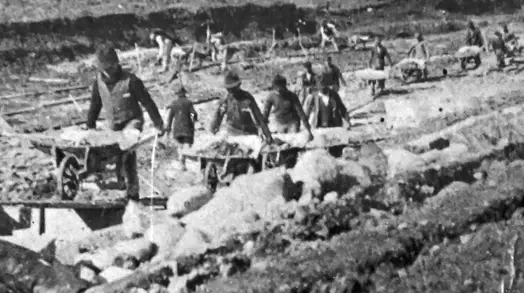
Canal workers built, maintained, and operated canals that were used for transportation and commerce in the eighteenth and nineteenth centuries. Before the widespread expansion of railroads, canals were a primary means of moving goods such as coal, lumber, and agricultural products.
Canal systems connected inland regions to major waterways and markets, contributing significantly to economic development. Workers involved in canal construction and operation were part of large infrastructure projects that reshaped transportation networks.
How the Job Was Described
Historical records may list:
- Canal worker
- Canal laborer
- Digger (canal context)
- Navvy (common term for laborer on large projects)
- Boatman (canal context)
- Lock tender
- Towpath worker
- Laborer (canal context)
The term “navvy” was widely used in the nineteenth century to describe laborers working on canals and later railroads.
Duties & Daily Work
Canal workers performed a variety of tasks depending on their role:
- Digging and excavating canal paths
- Building canal walls and embankments
- Constructing and maintaining locks
- Operating lock systems for boats
- Maintaining towpaths used by animals pulling canal boats
- Loading and unloading goods
Work was physically demanding and often performed outdoors in difficult conditions.
Tools, Equipment & Work Environment
Canal work relied on tools and equipment such as:
- Shovels and picks
- Wheelbarrows and carts
- Surveying tools
- Construction materials such as stone and timber
- Lock mechanisms and gates
Work environments included large construction sites, waterways, and rural or undeveloped areas. Conditions could be muddy, wet, and physically challenging.
Employment Structure & Work Patterns
Canal workers were typically employed by:
- Canal companies
- Construction contractors
- Government-funded infrastructure projects
- Transportation companies
Workers often moved from one project to another as canals were built or expanded. Temporary camps or settlements sometimes formed near construction sites.
Records Created by Canal Work
Canal workers may appear in:
- Census records
- Company payroll records
- Construction contracts
- Land and infrastructure records
- Newspaper accounts of canal projects
- Immigration records (many workers were immigrants)
Because canal construction involved large labor forces, workers may appear in groups within specific regions during construction periods.
A Note on Historical Context
Canals played a crucial role in early transportation systems before railroads became dominant. Major canal projects attracted large numbers of workers, many of whom were immigrants seeking employment.
As railroads expanded, canal use declined, leading to shifts in employment. Some canal workers transitioned to railroad construction or other forms of labor.
Understanding canal systems helps explain migration patterns and temporary settlements during major construction efforts.
Newspapers & Periodicals
Canal workers appear in newspapers through:
- Reports on canal construction projects
- Labor disputes or strikes
- Accidents and injuries
- Economic reports related to transportation
- Local news about canal operations
Large canal projects were often widely reported due to their economic importance.
Risks, Accidents & Working Conditions
Canal work was hazardous, with risks including:
- Drowning
- Injuries from tools and heavy materials
- Structural failures during construction
- Exposure to harsh weather
- Disease in temporary camps
Accidents and fatalities were not uncommon and may be documented in newspapers or local records.
Industry Terminology (Selected)
- Navvy – Laborer working on large infrastructure projects
- Lock – Mechanism used to raise or lower boats between water levels
- Towpath – Path used by animals pulling canal boats
- Embankment – Raised structure supporting canal walls
- Canal boat – Vessel used for transporting goods
These terms frequently appear in construction records and historical accounts.
Selected Free Research Starting Points
Researchers may find useful background materials and contextual resources through:
- Library of Congress collections related to transportation and infrastructure
- National Archives records involving public works and early transportation systems
- State archives preserving canal company and construction records
- Local historical societies documenting canal systems
- Internet Archive and HathiTrust collections of canal engineering manuals and historical reports
Availability varies by region and era, but these sources provide valuable context for understanding canal work.
Why Canal Workers Matter to Genealogical Research
Canal workers were part of early large-scale infrastructure projects and often appear in records tied to migration, labor, and transportation systems. Understanding canal work helps genealogists interpret movement patterns, temporary settlements, and occupational transitions during periods of economic development.
If you’d like this information in a clean, printable, and well-organized reference format, this topic is also included in the Quicksheet Vault. The Vault is designed for researchers who prefer working tools they can save, print, and reuse — whether that means building a personal binder of key resources or keeping reliable references close at hand. You can learn more about the Quicksheet Vault HERE