Background
Historical Occupation Profiles explain what ancestors actually did for a living and how those occupations shaped the records genealogists rely on today.
Occupation Overview
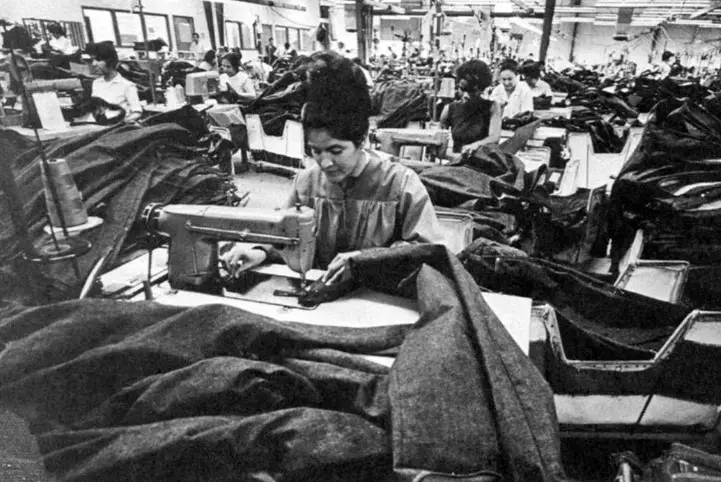
Garment factory workers produced clothing and textile goods in industrial manufacturing settings. During the nineteenth and early twentieth centuries, the rapid expansion of the clothing industry created large factories employing thousands of workers, particularly in urban centers.
Many garment workers were immigrants who found employment in sewing rooms, cutting departments, and finishing shops. Garment factories produced a wide range of items including shirts, dresses, coats, trousers, and uniforms.
The industry became one of the largest employers in many cities, especially in New York, Chicago, Philadelphia, and other major manufacturing centers.
How the Job Was Described
Historical records may list:
- Garment worker
- Clothing worker
- Dressmaker (factory context)
- Tailor (factory context)
- Seamstress
- Shirt maker
- Cloak maker
- Sewing machine operator
- Factory operative
In many census records, workers may simply be listed as “operator” or “sewing machine operator,” particularly in garment factories.
Context such as nearby occupations or the presence of garment districts in city directories can help clarify the type of work performed.
Duties & Daily Work
Garment factory workers performed a variety of specialized tasks depending on the stage of production.
Typical duties included:
- Cutting fabric patterns
- Operating sewing machines
- Stitching garment components
- Pressing and finishing clothing
- Attaching buttons or trim
- Inspecting finished garments
Industrial garment production often divided labor into highly specialized roles, with each worker responsible for a specific step in the manufacturing process.
Workers frequently labored long hours in crowded factory environments.
Tools, Equipment & Work Environment
Garment factories relied on equipment such as:
- Industrial sewing machines
- Cutting tables and shears
- Pressing irons and finishing tools
- Measuring devices and patterns
- Fabric storage racks
Factories were often located in multi-story buildings in dense urban districts. Working conditions varied widely and could include long hours, crowded workspaces, and limited ventilation.
Employment Structure & Labor Organization
Garment factory workers were typically employed by:
- Clothing manufacturers
- Contract shops
- Large garment factories
- Textile companies
The industry became known for early labor organizing. Garment workers participated in strikes and union movements that sought improvements in wages, safety, and working conditions.
Labor unions representing garment workers became influential in several major cities.
Records Created by Garment Industry Employment
Garment workers may appear in:
- City directories
- Factory payroll records
- Union membership rolls
- Immigration and naturalization records
- Industrial accident reports
- Workers’ compensation files
- Company newsletters or employment records
Because many workers lived in densely populated urban neighborhoods, occupational clustering is common in census records.
A Note on Historical Context
The garment industry expanded rapidly in the late nineteenth and early twentieth centuries due to urbanization, immigration, and the growth of ready-made clothing.
Entire neighborhoods in major cities became centers of garment production. Many immigrant communities were heavily represented in garment factories, and families often worked within the same industry across generations.
Labor reforms and safety regulations gradually emerged following several widely publicized factory disasters.
Newspapers & Periodicals
Garment factory workers appear in newspapers through:
- Labor strike coverage
- Factory accident reports
- Labor union activities
- Factory openings or closures
- Community news involving garment districts
Newspapers often reported on labor conditions and industrial disputes within the clothing industry.
Risks, Hazards & Labor Issues
Garment factory workers faced risks such as:
- Machine-related injuries
- Long working hours
- Fire hazards in crowded factory buildings
- Poor ventilation and crowded workspaces
Workplace accidents sometimes resulted in legal cases, labor protests, or public safety investigations.
Industry Terminology (Selected)
- Operator – Worker operating sewing machinery
- Piecework – Payment based on the number of garments completed
- Contract shop – Smaller factory producing garments for larger companies
- Cutting room – Department where fabric patterns are cut
- Finishing – Final stage of garment preparation
- These terms often appear in factory records, labor reports, and newspaper accounts of garment manufacturing.
Selected Free Research Starting Points
Researchers may find useful background materials and contextual resources through:
- Library of Congress collections related to labor and industrial photography
- National Archives labor and industrial investigation records
- State archives and university collections documenting labor history
- Scholarly and nonprofit sites focused on textile and garment industries
- Internet Archive and HathiTrust collections of garment industry manuals and labor reports
Availability varies by region and era, but these sources provide useful context for understanding garment factory employment.
Why Garment Factory Workers Matter to Genealogical Research
Garment factory workers represent a significant portion of the urban labor force in the late nineteenth and early twentieth centuries. Recognizing garment-related occupations helps genealogists interpret immigration patterns, urban settlement clusters, and the economic conditions experienced by many working-class families.
If you’d like this information in a clean, printable, and well-organized reference format, this topic is also included in the Quicksheet Vault. The Vault is designed for researchers who prefer working tools they can save, print, and reuse — whether that means building a personal binder of key resources or keeping reliable references close at hand. You can learn more about the Quicksheet Vault HERE