Background
Historical Occupation Profiles explain what ancestors actually did for a living and how those occupations shaped the records genealogists rely on today.
Occupation Overview
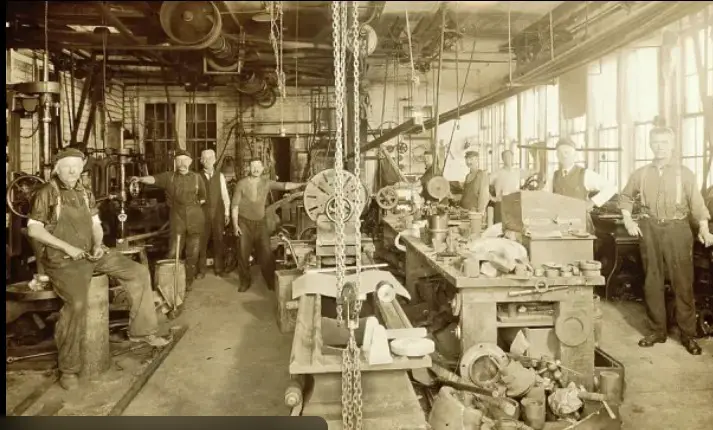
Iron and steel workers produced the structural materials that fueled industrial expansion in the nineteenth and early twentieth centuries. From rail lines and bridges to skyscrapers and machinery, iron and steel formed the backbone of modern infrastructure.
Workers in this industry labored in foundries, rolling mills, blast furnaces, and steel plants concentrated in regions such as Pennsylvania, Ohio, Illinois, Indiana, and later parts of the South and Midwest.
“Iron & steel worker” encompasses a range of highly specialized industrial roles, often requiring skill, endurance, and tolerance of extreme heat.
How the Job Was Described
Historical records frequently identify iron and steel workers by specific role or department.
Common descriptions include:
- steel worker
- iron worker
- puddler
- roller
- furnace man
- mill hand
- foundry worker
- heater
- machinist (steel plant context)
Census records may simply list “laborer” in steel-producing towns. City directories often provide more specific occupational detail.
Duties & Daily Work
Iron and steel production involved multiple stages:
- Operating blast furnaces to produce molten iron
- Refining iron into steel
- Rolling steel into rails, beams, or sheets
- Casting iron into molds
- Maintaining heavy industrial machinery
Work was organized into departments, often on shift schedules that ran continuously. Employees might work long hours in intense heat, contributing to high turnover and occupational injury.
Many workers were immigrants or first-generation Americans concentrated in mill towns.
Tools, Equipment & Work Environment
Steel production required:
- Blast furnaces
- Rolling mills
- Casting molds
- Ladles for molten metal
- Heavy tongs and protective gear
The environment was loud, hot, and dangerous. Mills operated around the clock, and accidents involving molten metal were particularly severe.
Entire communities often formed around single steel plants.
Employment Structure & Labor Organization
Iron and steel workers were among the most organized industrial labor groups in the late nineteenth and early twentieth centuries.
Workers may have been associated with:
- Steel company employment rolls
- Labor unions
- Fraternal or ethnic benefit societies
- Company housing systems
Major labor disputes and strikes shaped the history of the industry, generating extensive documentation and newspaper coverage.
Records Created by Iron & Steel Work
Iron and steel workers may appear in:
- Company payroll records
- Employment and seniority lists
- Factory inspection reports
- Accident and injury claims
- Workers’ compensation files
- Union membership records
- Company housing or boarding records
Mill towns often preserved business and labor documentation in state or university archives.
A Note on Historical Context
The expansion of railroads, bridges, and urban construction drove rapid growth in steel production. Immigrant communities—particularly from Eastern and Southern Europe—were heavily represented in steel mills.
Industrial consolidation and technological change reshaped the workforce over time. Occupational titles may shift across decades, especially as machinery modernized and safety regulations evolved.
Understanding this industrial context helps explain concentrated immigrant neighborhoods and multi-generational employment within the same mills.
Newspapers & Periodicals
Iron and steel workers appear in newspapers through:
- Strike coverage
- Industrial accidents
- Mill expansions or closures
- Community events sponsored by steel companies
- Obituaries referencing years of mill service
Major industrial disputes often generated sustained press coverage.
Risks, Accidents & Legal Exposure
Steel production was extremely hazardous.
Common dangers included:
- Burns from molten metal
- Crushing injuries from heavy equipment
- Furnace explosions
- Falls within large industrial facilities
Serious incidents frequently resulted in legal proceedings, compensation claims, and detailed newspaper accounts.
Industry Terminology (Selected)
- Blast furnace – Structure used to produce molten iron
- Rolling mill – Facility shaping steel into finished products
- Puddler – Worker who refined iron
- Foundry – Plant where metal castings are produced
- Mill town – Community built around a single large industrial employer
These terms often appear in industrial reports and local newspapers.
Selected Free Research Starting Points
Researchers may find useful background materials and, in some cases, occupational documentation through:
- Library of Congress: industrial photographs and labor surveys
- National Archives: federal labor and industrial investigations
- State archives and university collections in steel-producing regions
- Scholarly and nonprofit labor history sites
- Internet Archive and HathiTrust: steel industry reports, technical manuals, and labor publications
Availability varies by region and company, but these sources provide valuable occupational context.
Why Iron & Steel Workers Matter to Genealogical Research
Iron and steel workers shaped some of the most industrialized communities in North America. Understanding their roles, working conditions, and labor organization helps genealogists interpret urban settlement patterns, immigrant employment, and the social structure of mill towns.
If you’d like this information in a clean, printable, and well-organized reference format, this topic is also included in the Quicksheet Vault. The Vault is designed for researchers who prefer working tools they can save, print, and reuse — whether that means building a personal binder of key resources or keeping reliable references close at hand. You can learn more about the Quicksheet Vault HERE