Background
Historical Occupation Profiles explain what ancestors actually did for a living and how those occupations shaped the records genealogists rely on today.
Occupation Overview
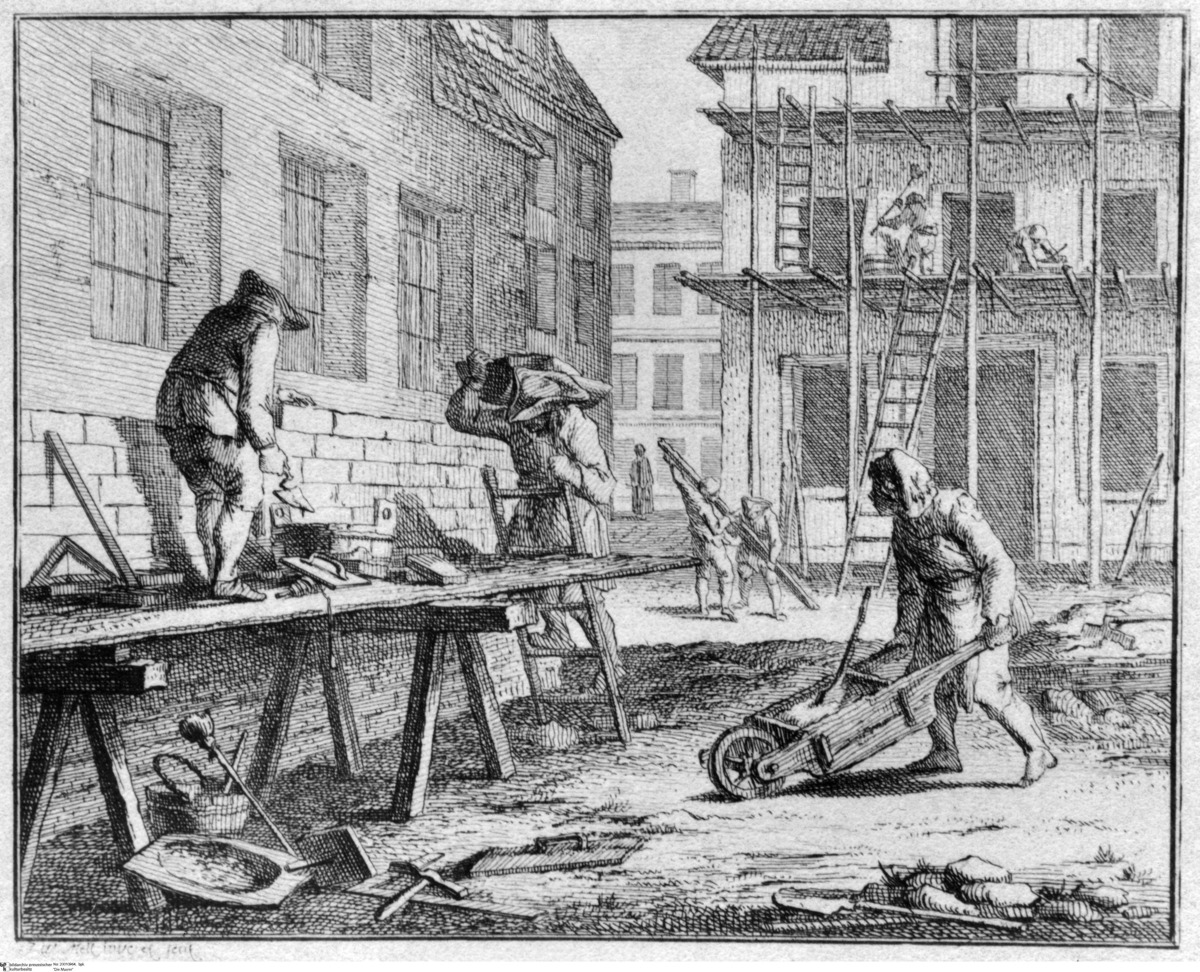
Masons and bricklayers were skilled tradesmen who constructed buildings, walls, chimneys, foundations, and other structures using brick, stone, and mortar. In the eighteenth, nineteenth, and early twentieth centuries, they played a central role in both urban development and rural construction.
As communities expanded, masons and bricklayers contributed to the construction of homes, commercial buildings, churches, factories, and public infrastructure. Their work was essential in areas transitioning from wooden structures to more durable brick and stone construction.
How the Job Was Described
Historical records may list:
- Mason
- Bricklayer
- Stone mason
- Stone cutter
- Brick mason
- Contractor (construction context)
- Builder
- Journeyman mason
In some records, “mason” may refer broadly to workers handling stone or brick. More specific terms such as “bricklayer” or “stone mason” may appear in city directories or trade records.
Duties & Daily Work
Masons and bricklayers performed tasks such as:
- Laying brick and stone in walls and structures
- Mixing and applying mortar
- Constructing chimneys and fireplaces
- Building foundations and structural supports
- Cutting and shaping stone materials
- Repairing masonry structures
Work was often project-based and could involve both small residential jobs and large-scale construction projects.
Many masons worked outdoors and adjusted their schedules based on weather and seasonal conditions.
Tools, Equipment & Work Environment
Masonry work relied on tools such as:
- Trowels
- Hammers and chisels
- Levels and plumb lines
- Measuring tools
- Mortar boards and mixing tools
- Scaffolding for elevated work
Work environments included construction sites, quarries, and urban building projects. Conditions could be physically demanding and exposed to the elements.
Apprenticeship & Trade Structure
Masonry was commonly learned through apprenticeship, where workers trained under experienced craftsmen before becoming journeymen or masters.
Trade structure may include:
- Apprentices learning the craft
- Journeymen working for wages
- Master masons overseeing projects or owning businesses
- Contractors managing construction jobs
Skilled masons often advanced to supervisory roles or operated independent contracting businesses.
Records Created by Masonry Work
Masons and bricklayers may appear in:
- City directories
- Tax records
- Building permits
- Construction contracts
- Apprenticeship agreements
- Probate inventories listing tools
- Court records involving construction disputes
Because masons worked on visible structures, their work may also be indirectly documented in local histories and building records.
A Note on Historical Context
The shift from wood to brick and stone construction in growing towns increased demand for skilled masons and bricklayers. Urbanization and fire prevention efforts also contributed to the use of masonry materials.
Masonry work was often tied to economic growth periods, with construction booms creating increased demand for skilled labor.
Understanding these patterns helps explain occupational mobility and geographic movement among construction workers.
Newspapers & Periodicals
Masons and bricklayers appear in newspapers through:
- Construction announcements
- Contract awards
- Building project notices
- Labor disputes or strikes
- Obituaries referencing years in the trade
Large public works projects often identified contractors and skilled workers involved in construction.
Risks, Accidents & Legal Exposure
Masonry work carried risks such as:
- Falls from scaffolding
- Injuries from heavy materials
- Tool-related injuries
- Structural collapses during construction
Worksite accidents could result in newspaper coverage, legal proceedings, or compensation claims.
Industry Terminology (Selected)
- Mortar – Mixture used to bind bricks or stones
- Trowel – Tool used to apply mortar
- Plumb line – Tool used to ensure vertical alignment
- Course – Horizontal layer of bricks or stones
- Scaffolding – Temporary structure for elevated work
These terms frequently appear in construction records and trade descriptions.
Selected Free Research Starting Points
Researchers may find useful background materials and contextual resources through:
- Library of Congress collections related to architecture and construction
- National Archives records involving public works and construction
- State archives and local historical societies preserving building records
- University collections focused on architectural history
- Internet Archive and HathiTrust collections of masonry manuals and construction guides
Availability varies by region and era, but these sources provide valuable context for understanding masonry trades.
Why Masons & Bricklayers Matter to Genealogical Research
Masons and bricklayers were skilled tradesmen central to the development of communities and appear frequently in census and directory records. Understanding their work, apprenticeship systems, and mobility helps genealogists interpret occupational continuity, economic standing, and involvement in local construction activity.
If you’d like this information in a clean, printable, and well-organized reference format, this topic is also included in the Quicksheet Vault. The Vault is designed for researchers who prefer working tools they can save, print, and reuse — whether that means building a personal binder of key resources or keeping reliable references close at hand. You can learn more about the Quicksheet Vault HERE