Background
Historical Occupation Profiles explain what ancestors actually did for a living and how those occupations shaped the records genealogists rely on today.
Occupation Overview
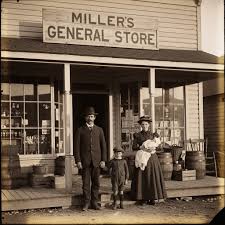
Merchants and shopkeepers operated retail businesses that supplied goods to local communities. In the eighteenth, nineteenth, and early twentieth centuries, small retail establishments formed the commercial backbone of towns and cities. These businesses ranged from general stores in rural areas to specialized shops in urban centers.
Unlike many labor occupations, merchants and shopkeepers frequently owned their businesses and maintained long-term ties to the communities they served. Their occupations often reflect economic standing, property ownership, and participation in civic life.
How the Job Was Described
Historical records may list:
- Merchant
- Shopkeeper
- Storekeeper
- General merchant
- Retail merchant
- Grocer
- Dry goods merchant
- Dealer
- Trader
- Proprietor
In smaller communities, “merchant” or “storekeeper” often referred to the owner of a general store selling a variety of goods. In larger towns, merchants might specialize in particular products such as clothing, hardware, or groceries.
Duties & Daily Work
Merchants and shopkeepers typically performed responsibilities such as:
- Purchasing goods from wholesalers
- Managing inventory and supplies
- Operating retail stores or market stalls
- Extending credit to local customers
- Maintaining financial records and accounts
- Supervising clerks or assistants
- Advertising goods and promotions
In rural communities, merchants often played a central role in local economies by providing credit, ordering goods from distant suppliers, and serving as informal financial intermediaries.
Tools, Equipment & Work Environment
Retail businesses relied on tools and equipment such as:
- Cash boxes or registers
- Ledgers and account books
- Scales and measuring devices
- Display counters and shelving
- Storage rooms or warehouses
Merchant stores were commonly located along main streets, town squares, or market districts. In rural areas, the general store often functioned as both a commercial center and a social gathering place.
Employment Structure & Business Patterns
Merchants and shopkeepers might:
- Own and operate independent stores
- Manage family-run businesses
- Partner with other merchants
- Employ clerks or apprentices
- Operate seasonal or traveling shops
Family participation in retail businesses was common. Spouses, children, and relatives often assisted with store operations.
Business continuity across generations may appear in census records and city directories.
Records Created by Merchant Activity
Merchants and shopkeepers may appear in:
- City and rural directories
- Business licenses
- Tax assessments
- Commercial advertisements
- Store account books and ledgers
- Court records involving debts or credit disputes
- Probate inventories listing store goods and equipment
Because merchants often extended credit to customers, surviving account books can contain detailed information about local residents.
A Note on Historical Context
Before large department stores and chain retailers emerged, most communities relied on locally owned shops. Merchants provided not only goods but also financial services such as credit accounts and bill payment.
Immigrant entrepreneurs frequently entered retail trade, establishing businesses that served both ethnic communities and broader local markets.
Economic changes, transportation improvements, and industrial growth often influenced the success or decline of small retail establishments.
Newspapers & Periodicals
Merchants and shopkeepers appear frequently in newspapers through:
- Retail advertisements
- Store opening announcements
- Bankruptcy or debt notices
- Business partnership announcements
- Community sponsorships or civic involvement
- Obituaries referencing long-established businesses
Newspaper advertising often provides valuable information about the products sold and the longevity of a merchant’s business.
Risks, Financial Pressures & Legal Exposure
Retail businesses faced risks such as:
- Economic downturns
- Debt disputes
- Fire or property loss
- Competition from larger stores
- Credit defaults from customers
Financial difficulties sometimes resulted in court proceedings, bankruptcy filings, or sheriff’s sale notices that appeared in newspapers.
Industry Terminology (Selected)
- General store – Retail shop selling a wide variety of goods
- Dry goods – Textiles, clothing materials, and household fabrics
- Wholesaler – Supplier selling goods to retailers
- Proprietor – Owner of a business
- Ledger – Book used to track financial transactions
These terms frequently appear in advertisements, business records, and commercial directories.
Selected Free Research Starting Points
Researchers may find useful background materials and contextual resources through:
- Library of Congress collections related to business and commercial life
- National Archives records involving commerce and taxation
- State archives and local historical societies preserving business records
- Scholarly and nonprofit sites focused on commercial and economic history
- Internet Archive and HathiTrust collections of business manuals, merchant guides, and trade publications
Availability varies by location and era, but these sources can provide useful context for understanding retail businesses and commercial activity.
Why Merchants & Shopkeepers Matter to Genealogical Research
Merchants and shopkeepers were often prominent members of local communities and appear frequently in census records, directories, newspapers, and business documents. Understanding their role in local economies can help genealogists identify property ownership, family businesses, and social standing within a community.
If you’d like this information in a clean, printable, and well-organized reference format, this topic is also included in the Quicksheet Vault. The Vault is designed for researchers who prefer working tools they can save, print, and reuse—whether that means building a personal binder of key resources or keeping reliable references close at hand. You can learn more about the Quicksheet Vault HERE