Background
Historical Occupation Profiles explain what ancestors actually did for a living and how those occupations shaped the records genealogists rely on today.
Occupation Overview
Postmasters were responsible for managing local post offices and overseeing the distribution of mail within their communities. In the nineteenth and early twentieth centuries, the post office served as a central hub for communication, commerce, and government activity.
Postmasters played an important civic role, particularly in rural and small-town settings where the post office often functioned as both a business and a gathering place. In many communities, the position carried a degree of social standing and public trust.
How the Job Was Described
Historical records may list:
- Postmaster
- Assistant postmaster
- Mail agent
- Postal clerk
- Post office keeper
In many cases, individuals listed as “postmaster” may also appear with another occupation, such as merchant or storekeeper, especially in smaller communities where the post office operated within a general store.
Duties & Daily Work
Postmasters were responsible for tasks such as:
- Receiving and distributing incoming and outgoing mail
- Sorting letters, packages, and official documents
- Managing postal routes and schedules
- Handling postage and financial transactions
- Maintaining postal records and reports
- Supervising assistants or clerks
In rural areas, postmasters often worked closely with mail carriers and stage or rail delivery systems.
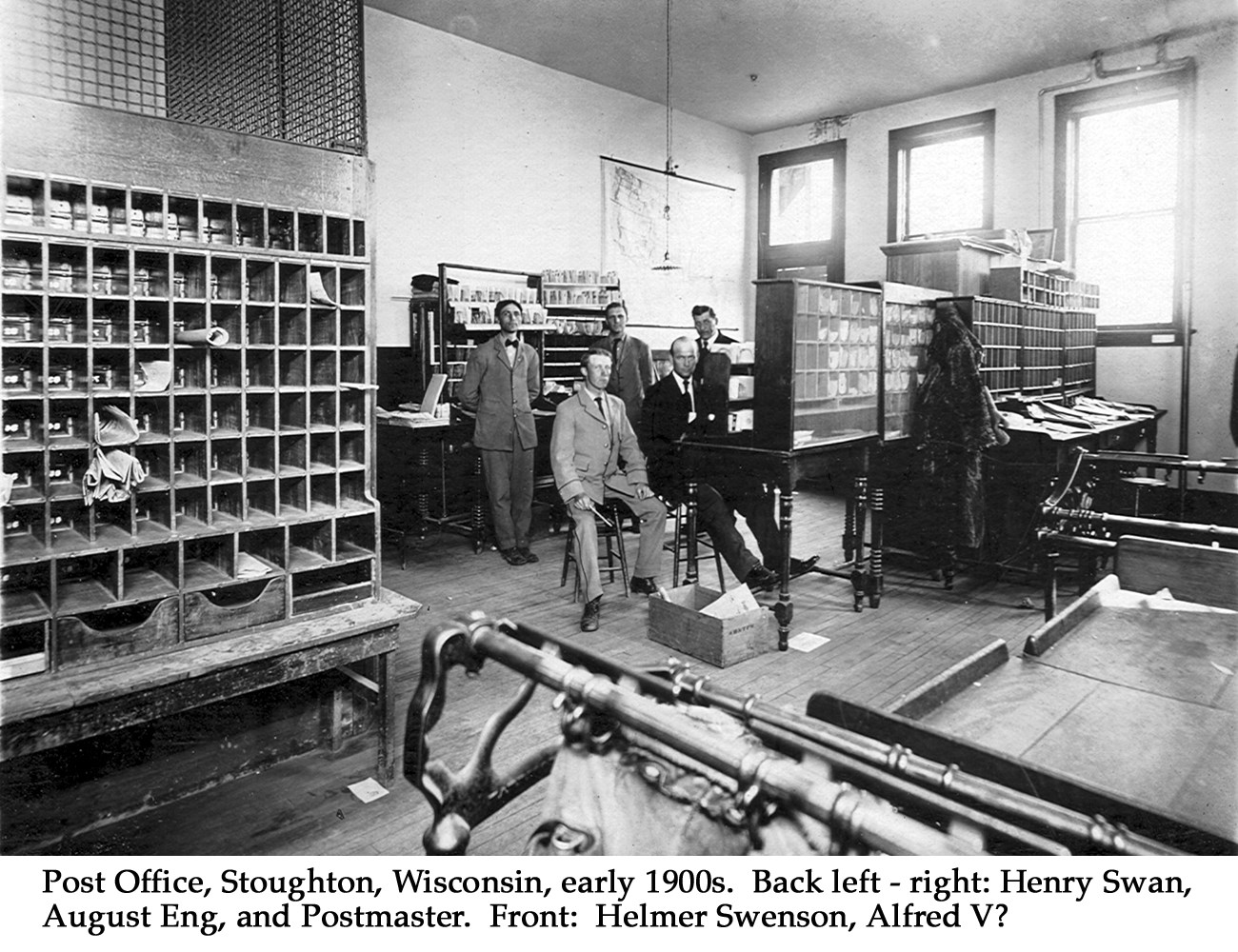
Tools, Equipment & Work Environment
Post office operations relied on:
- Mail bags and sorting cases
- Postmarks and cancellation devices
- Scales for weighing mail
- Ledger books and account records
- Lockboxes or postal boxes
Post offices ranged from small rooms within stores or homes to larger dedicated buildings in towns and cities.
Employment Structure & Appointment
Postmasters were typically appointed rather than hired through open employment. Appointments were often influenced by:
- Federal government authority
- Political affiliation
- Local reputation and trust
- Community standing
In the United States, postmasters were federal appointees, and changes in political administration sometimes resulted in turnover in these positions.
Records Created by Postal Service Work
Postmasters may appear in:
- Federal appointment records
- Post office registers
- City and rural directories
- Government reports and postal listings
- Newspaper announcements of appointments
- Local histories and community records
Postal records are often well preserved, making postmasters easier to document than many other occupations.
A Note on Historical Context
The expansion of postal services paralleled the growth of transportation networks, including stage routes, railroads, and later rural free delivery. Post offices were essential in connecting remote communities to broader economic and social systems.
In many rural areas, the post office served as a focal point for communication, news, and social interaction.
Understanding the development of postal routes can help explain settlement patterns and community growth.
Newspapers & Periodicals
Postmasters appear in newspapers through:
- Appointment announcements
- Changes in post office locations
- Postal route updates
- Government notices
- Obituaries referencing public service
Because postmasters held official positions, their appointments were often publicly reported.
Risks, Responsibilities & Legal Exposure
Postmasters held positions of trust and responsibility, with duties that included:
- Handling financial transactions
- Safeguarding mail and government property
- Maintaining accurate records
- Managing official communications
Mismanagement or misconduct could result in investigations, removal from office, or legal proceedings.
Industry Terminology (Selected)
- Post office – Facility handling mail distribution
- Postal route – Designated path for mail delivery
- Rural Free Delivery (RFD) – System delivering mail directly to rural homes
- Mail agent – Individual transporting mail between locations
- Postmark – Official stamp indicating date and location of mailing
These terms frequently appear in postal records, government documents, and newspapers.
Selected Free Research Starting Points
Researchers may find useful background materials and contextual resources through:
- Library of Congress collections related to postal history and communication
- National Archives records of postmaster appointments and postal operations
- State archives preserving local postal records
- University and nonprofit collections focused on communication history
- Internet Archive and HathiTrust collections of postal guides, manuals, and government reports
Availability varies by region and era, but these sources provide valuable context for understanding postal service roles.
Why Postmasters Matter to Genealogical Research
Postmasters were central figures in many communities and often appear in government records, directories, and newspapers. Understanding their role helps genealogists identify civic involvement, political connections, and community standing, as well as locate valuable postal records tied to specific locations.
If you’d like this information in a clean, printable, and well-organized reference format, this topic is also included in the Quicksheet Vault. The Vault is designed for researchers who prefer working tools they can save, print, and reuse — whether that means building a personal binder of key resources or keeping reliable references close at hand. You can learn more about the Quicksheet Vault HERE