Background
Historical Occupation Profiles explain what ancestors actually did for a living and how those occupations shaped the records genealogists rely on today.
Occupation Overview
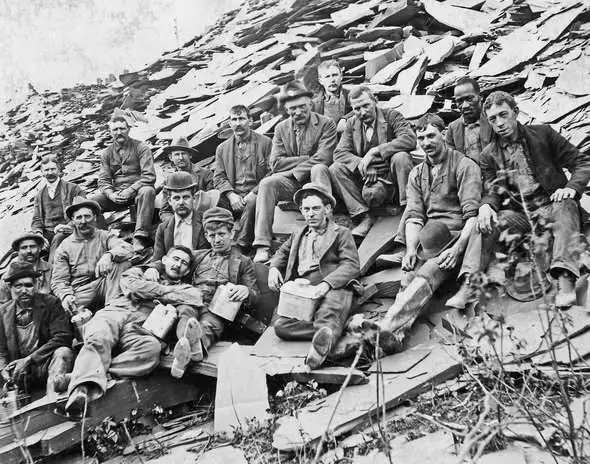
Quarry workers extracted stone, slate, gravel, and other materials from the earth for use in construction, road building, and industry. In the nineteenth and early twentieth centuries, quarrying was a major source of building materials for growing towns and cities.
Quarries were often located near natural stone deposits and could range from small local operations to large industrial sites supplying regional markets. Quarry workers played a key role in producing materials used in foundations, buildings, bridges, and monuments.
How the Job Was Described
Historical records may list:
- Quarry worker
- Stone cutter
- Quarryman
- Stone laborer
- Rock worker
- Miner (in some contexts)
- Laborer (quarry context)
Specific titles may vary depending on the type of material and level of skill involved.
Duties & Daily Work
Quarry workers performed tasks such as:
- Cutting and extracting stone from quarry faces
- Drilling and blasting rock
- Shaping stone blocks
- Loading and transporting materials
- Maintaining quarry equipment
- Preparing stone for construction use
Work was physically demanding and often performed outdoors in all weather conditions.
Tools, Equipment & Work Environment
Quarry work relied on equipment such as:
- Drills and hammers
- Chisels and wedges
- Explosives for blasting
- Hoists and cranes
- Carts and wagons for transport
Quarries were rugged environments with uneven terrain, heavy materials, and exposure to dust and weather.
Employment Structure & Work Patterns
Quarry workers were typically employed by:
- Stone companies
- Construction suppliers
- Local quarry operations
- Government or infrastructure projects
Work could be seasonal depending on weather conditions. Some workers remained in the same quarry for years, while others moved between sites as projects changed.
Records Created by Quarry Work
Quarry workers may appear in:
- City and rural directories
- Company payroll records
- Land and property records for quarry sites
- Census records listing occupation
- Newspaper accounts of quarry activity
- Court records involving labor or safety issues
Quarry operations may also appear in maps and land descriptions.
A Note on Historical Context
Quarrying was closely tied to construction booms and infrastructure development. As cities expanded, demand for stone increased for use in buildings, roads, and public works.
Immigrant labor was common in quarrying regions, with workers often living near quarry sites in tightly connected communities.
Advances in machinery gradually changed quarrying methods, reducing reliance on manual labor over time.
Newspapers & Periodicals
Quarry workers appear in newspapers through:
- Reports of quarry accidents
- Business announcements
- Labor disputes
- Infrastructure project coverage
- Obituaries referencing quarry employment
Large quarry operations were often mentioned in connection with regional development.
Risks, Accidents & Working Conditions
Quarry work was hazardous, with risks including:
- Blasting accidents
- Falling rock
- Heavy equipment injuries
- Dust exposure affecting lungs
- Weather-related hazards
Accidents were frequently reported in newspapers and sometimes resulted in legal proceedings.
Industry Terminology (Selected)
- Quarry – Site where stone is extracted
- Face – Exposed surface of stone being worked
- Blasting – Use of explosives to break rock
- Block – Large piece of cut stone
- Aggregate – Crushed stone used in construction
These terms frequently appear in construction records and industrial descriptions.
Selected Free Research Starting Points
Researchers may find useful background materials and contextual resources through:
- Library of Congress collections related to industry and construction
- National Archives records involving labor and infrastructure
- State archives preserving industrial and land records
- Local historical societies documenting quarry operations
- Internet Archive and HathiTrust collections of quarrying manuals and engineering texts
Availability varies by region and era, but these sources provide valuable context for understanding quarry work.
Why Quarry Workers Matter to Genealogical Research
Quarry workers were part of the labor force that supplied materials for construction and infrastructure. Understanding quarry work helps genealogists interpret industrial employment, immigrant labor patterns, and the presence of ancestors in resource-based communities.
If you’d like this information in a clean, printable, and well-organized reference format, this topic is also included in the Quicksheet Vault. The Vault is designed for researchers who prefer working tools they can save, print, and reuse — whether that means building a personal binder of key resources or keeping reliable references close at hand. You can learn more about the Quicksheet Vault HERE