Background
Historical Occupation Profiles explain what ancestors actually did for a living and how those occupations shaped the records genealogists rely on today.
Occupation Overview
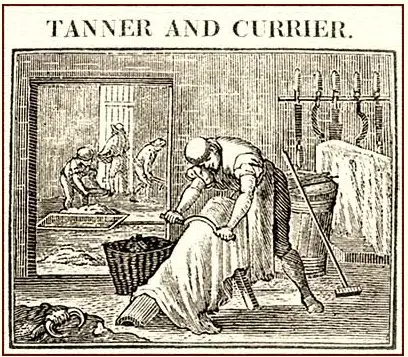
Tanners processed animal hides into leather used for clothing, footwear, harnesses, and a wide range of everyday goods. In the eighteenth, nineteenth, and early twentieth centuries, tanning was an essential industry supporting agriculture, transportation, and manufacturing.
Tanneries were often located near water sources and livestock-producing regions. The work was physically demanding and involved chemical processes that produced strong odors, making tanneries distinct features within many communities.
How the Job Was Described
Historical records may list:
- Tanner
- Leather dresser
- Currier
- Hide worker
- Tanyard worker
- Leather worker
In some cases, “currier” referred to a worker who finished and softened leather after the tanning process. Terms may vary depending on the stage of leather production.
Duties & Daily Work
Tanners performed tasks such as:
- Preparing raw animal hides
- Soaking and cleaning hides
- Removing hair and flesh
- Treating hides with tannins from bark or chemicals
- Drying and stretching leather
- Finishing and softening leather products
The process could take days or weeks depending on the method used and the type of leather being produced.
Tools, Equipment & Work Environment
Tanning relied on equipment such as:
- Tanning vats and pits
- Scraping tools and knives
- Drying frames
- Water troughs
- Chemical or bark-based tanning materials
Work environments were typically located outdoors or in partially enclosed spaces due to odors and chemical processes. Tanneries were often situated near rivers or streams.
Employment Structure & Business Patterns
Tanners might:
- Operate small local tanneries
- Work as part of family-run businesses
- Be employed in larger commercial tanning operations
- Supply leather to shoemakers, harness makers, and other trades
Tanning was often a specialized trade, and some tanners operated independently while others worked within larger production systems.
Records Created by Tanning Work
Tanners may appear in:
- City and rural directories
- Tax records
- Business advertisements
- Land records for tanyard locations
- Probate inventories listing tools and materials
- Court records involving business or environmental disputes
Because tanning required specific locations and facilities, tanyards may also appear in maps and local land descriptions.
A Note on Historical Context
Leather was a critical material in everyday life, used for shoes, belts, saddles, harnesses, and machinery components. Tanning was therefore closely tied to agricultural economies and transportation systems.
As industrial processes advanced, tanning operations became more centralized and mechanized, reducing the number of small local tanneries.
Understanding this shift helps explain occupational changes and the disappearance of small tanyards from later records.
Newspapers & Periodicals
Tanners appear in newspapers through:
- Business advertisements
- Property sales involving tanyards
- Environmental or nuisance complaints
- Partnership announcements
- Obituaries referencing trade work
Local notices may also reference the location of tanyards within communities.
Risks, Hazards & Working Conditions
Tanning work involved hazards such as:
- Exposure to chemicals and organic materials
- Long periods of physical labor
- Water-related risks in tanning pits
- Unsanitary working conditions
- Strong odors and environmental impact
Health issues related to prolonged exposure to tanning substances were not uncommon.
Industry Terminology (Selected)
- Tanyard – Location where tanning takes place
- Currier – Worker finishing leather after tanning
- Hide – Animal skin prepared for tanning
- Tannin – Substance used in the tanning process
- Leather dressing – Process of finishing leather
These terms frequently appear in business records, advertisements, and trade descriptions.
Selected Free Research Starting Points
Researchers may find useful background materials and contextual resources through:
- Library of Congress collections related to early industry and trades
- National Archives records involving manufacturing and business activity
- State archives preserving land, business, and industrial records
- Local historical societies documenting early industries
- Internet Archive and HathiTrust collections of tanning manuals and industrial guides
Availability varies by region and era, but these sources provide valuable context for understanding tanning work.
Why Tanners Matter to Genealogical Research
Tanners were part of a specialized trade that supported multiple industries, including shoemaking and transportation. Understanding tanning helps genealogists interpret occupational networks, local industry patterns, and the economic role of leather production within a community.
If you’d like this information in a clean, printable, and well-organized reference format, this topic is also included in the Quicksheet Vault. The Vault is designed for researchers who prefer working tools they can save, print, and reuse — whether that means building a personal binder of key resources or keeping reliable references close at hand. You can learn more about the Quicksheet Vault HERE