Background
Historical Occupation Profiles explain what ancestors actually did for a living and how those occupations shaped the records genealogists rely on today.
Occupation Overview
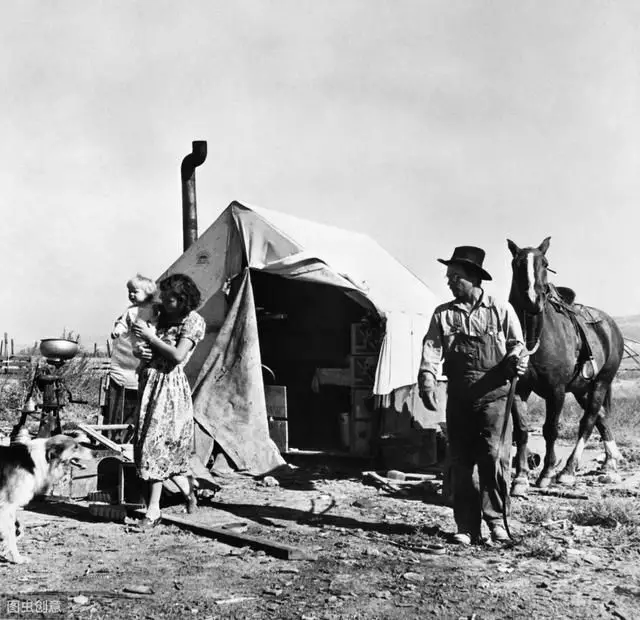
Tenant farmers cultivated land owned by someone else in exchange for rent, a share of the crops, or other forms of payment. This arrangement was common throughout the eighteenth, nineteenth, and early twentieth centuries, particularly in regions where land ownership was concentrated among large landholders.
Tenant farming existed in both rural towns and agricultural regions across North America. Many tenant farmers operated small farms with their families, growing staple crops or raising livestock while paying rent or sharing profits with landowners.
Tenant farmers were distinct from both landowning farmers and hired farm laborers. They managed their own farming operations but did not own the land they worked.
How the Job Was Described
Historical records may list:
- Tenant farmer
- Farmer (tenant)
- Renter
- Farm tenant
- Share tenant
- Agricultural tenant
In many census records the term “farmer” appears without further clarification. Additional schedules, tax records, or agricultural census data may indicate whether the individual owned or rented the land.
Duties & Daily Work
Tenant farmers typically performed responsibilities such as:
- Planting and harvesting crops
- Maintaining fields and fences
- Managing livestock
- Operating farm equipment and tools
- Maintaining barns and outbuildings
- Transporting crops to local markets
Tenant farmers often worked with family members, and spouses and children commonly assisted with farm labor.
The scale of operations varied widely depending on land size, rental agreements, and regional agricultural practices.
Tools, Equipment & Work Environment
Tenant farmers relied on tools and equipment such as:
- Plows and cultivators
- Horses or mules for field work
- Wagons and carts
- Hand tools for planting and harvesting
- Barns, sheds, and storage structures
Work took place primarily outdoors and followed seasonal agricultural cycles. Daily routines depended heavily on weather, crop types, and regional farming practices.
Employment Structure & Land Arrangements
Tenant farmers worked under agreements with landowners that might include:
- Cash rent for land use
- Share agreements based on crop production
- Short-term leases
- Multi-year tenancy arrangements
In some cases, landowners provided housing, tools, or seed in exchange for a portion of the harvest.
Tenant arrangements could change frequently, which sometimes resulted in geographic mobility for farming families.
Records Created by Tenant Farming
Tenant farmers may appear in:
- Population census records
- Agricultural census schedules
- Tax records
- Land lease agreements
- Farm tenancy contracts
- Local court records involving rent or disputes
- Probate records referencing rented farmland
Agricultural census schedules are especially valuable because they may list acreage, livestock, and crop production even when the farmer did not own the land.
A Note on Historical Context
Tenant farming became increasingly common in areas where farmland was expensive or controlled by large landholders. In some regions, especially after the Civil War in the American South, tenant farming and sharecropping became dominant agricultural systems.
Economic conditions, crop prices, and land availability often influenced whether farmers were able to purchase land or remained tenants.
Understanding these patterns helps genealogists interpret economic status and migration patterns within rural communities.
Newspapers & Periodicals
Tenant farmers appear in newspapers through:
- Farm property rental notices
- Agricultural advertisements
- Court notices involving rent disputes
- Sheriff’s sales of farm equipment
- Community agricultural reports
Local newspapers often reported crop yields, agricultural meetings, and rural economic conditions that affected tenant farmers.
Risks, Financial Pressures & Legal Exposure
Tenant farmers faced challenges such as:
- Crop failure due to weather
- Debt for seed, equipment, or supplies
- Fluctuating crop prices
- Landlord disputes
- Loss of tenancy agreements
Financial difficulties could result in lawsuits, foreclosure actions, or sheriff’s sale notices that appeared in local newspapers.
Industry Terminology (Selected)
- Tenant – Farmer renting land from a landowner
- Lease – Agreement granting use of land for a specified time
- Share rent – Payment made as a portion of crop production
- Cash rent – Fixed payment for land use
- Agricultural schedule – Census schedule documenting farm production
These terms frequently appear in land records, agricultural reports, and census documentation.
Selected Free Research Starting Points
Researchers may find useful background materials and contextual resources through:
- Library of Congress collections related to agriculture and rural life
- National Archives agricultural census records and land records
- State archives preserving farm tenancy documents and agricultural reports
- University agricultural history collections
- Internet Archive and HathiTrust collections of farming manuals and agricultural publications
Availability varies by region and era, but these sources can provide valuable context for understanding tenant farming systems.
Why Tenant Farmers Matter to Genealogical Research
Tenant farmers represent a large portion of the rural population in many historical periods. Recognizing tenant farming arrangements helps genealogists interpret agricultural census data, economic status, land use patterns, and migration within farming communities.
If you’d like this information in a clean, printable, and well-organized reference format, this topic is also included in the Quicksheet Vault. The Vault is designed for researchers who prefer working tools they can save, print, and reuse — whether that means building a personal binder of key resources or keeping reliable references close at hand. You can learn more about the Quicksheet Vault HERE