Background
Historical Occupation Profiles explain what ancestors actually did for a living and how those occupations shaped the records genealogists rely on today.
Occupation Overview
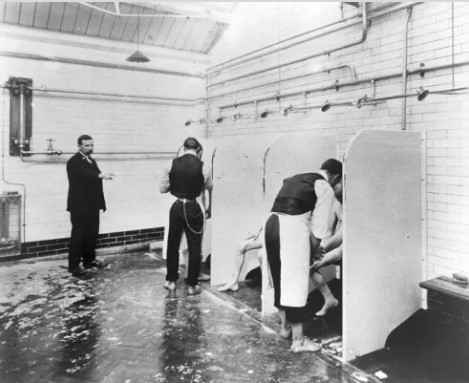
Asylum attendants cared for patients housed in mental institutions, state hospitals, and related facilities. In the nineteenth and early twentieth centuries, asylums were established to house individuals suffering from mental illness, developmental disabilities, and other conditions requiring institutional care.
Attendants supervised daily activities, assisted patients, maintained order, and supported physicians and administrators within the institution. Their work was physically and emotionally demanding and often performed in overcrowded facilities.
How the Job Was Described
Historical records may list:
- Asylum attendant
- Hospital attendant
- Ward attendant
- Mental hospital worker
- Institutional attendant
- Caretaker (institutional context)
Terminology varied depending on the institution and period.
Duties & Daily Work
Asylum attendants performed tasks such as:
- Supervising and assisting patients
- Maintaining order within wards
- Helping with meals and hygiene
- Transporting patients within facilities
- Cleaning wards and living areas
- Assisting physicians and nurses
Attendants often worked long shifts and interacted closely with patients throughout the day.
Tools, Equipment & Work Environment
Asylum work relied on equipment and materials such as:
- Institutional records and registers
- Medical and restraint equipment
- Cleaning supplies
- Keys and security devices
- Hospital furnishings and bedding
Work environments included large institutional buildings, wards, infirmaries, and secured areas.
Employment Structure & Institutional Organization
Asylum attendants were commonly employed by:
- State mental hospitals
- County institutions
- Private asylums
- Public health facilities
Large institutions often employed significant numbers of attendants organized by ward or department.
Records Created by Asylum Work
Asylum attendants may appear in:
- Census records
- Institutional employment records
- State hospital reports
- City directories
- Newspaper accounts involving institutions
- Public employment records
Because many institutions were state-operated, government records may exist documenting employment.
A Note on Historical Context
Mental health treatment changed dramatically during the nineteenth and early twentieth centuries. Large institutional asylums became common, though conditions varied greatly between facilities.
Attendants worked within systems that reflected the medical understanding and social attitudes of the time.
Many institutions later transitioned toward modern psychiatric hospitals and community-based care systems.
Newspapers & Periodicals
Asylum attendants appear in newspapers through:
- Reports involving hospitals or institutions
- Public health discussions
- Employment notices
- Institutional investigations or reforms
- Obituaries referencing institutional service
Coverage often reflected public interest in mental health institutions.
Risks, Challenges & Working Conditions
Asylum work involved challenges such as:
- Emotional stress
- Exposure to illness
- Physically demanding supervision duties
- Overcrowded working conditions
- Risk of injury during patient interactions
Working conditions varied greatly depending on the institution and time period.
Industry Terminology (Selected)
- Ward – Section of an institution housing patients
- Superintendent – Administrative head of institution
- Infirmary – Medical treatment area
- Institutional care – Residential treatment system
- Attendant – Worker supervising and assisting patients
These terms frequently appear in institutional records and reports.
Selected Free Research Starting Points
Researchers may find useful background materials and contextual resources through:
- Library of Congress collections related to medical and institutional history
- National Archives public health and institutional records
- State archives preserving asylum and hospital records
- University collections focused on psychiatric history
- Internet Archive and HathiTrust collections of asylum reports and medical publications
Availability varies by region and era, but these sources provide valuable context for understanding asylum work.
Why Asylum Attendants Matter to Genealogical Research
Asylum attendants worked within institutions that generated extensive records and reflected changing approaches to mental health care. Understanding their work helps genealogists interpret institutional records, public employment, and the social history surrounding mental health treatment.
If you use Quicksheets often, the Quicksheet Vault puts 450+ of them in one organized place — clean, printable, and easy to reuse whenever you need them. Whether you keep digital references handy or build your own genealogy binder, the Vault makes research simpler. Learn more about the Quicksheet Vault HERE