Background
Historical Occupation Profiles explain what ancestors actually did for a living and how those occupations shaped the records genealogists rely on today.
Occupation Overview
Bakers prepared bread, pastries, and other baked goods for local communities. In the eighteenth, nineteenth, and early twentieth centuries, baking was an essential trade supplying daily food to both rural and urban populations.
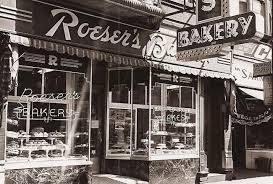
Bakeries ranged from small family-run shops to larger commercial operations in growing cities. Because bread was a staple food, bakers were steady and visible members of their communities.
How the Job Was Described
Historical records may list:
- Baker
- Bread baker
- Pastry cook
- Confectioner (in some contexts)
- Bakehouse worker
- Shopkeeper (bakery context)
In some records, bakers may also appear as merchants if they operated their own businesses.
Duties & Daily Work
Bakers performed tasks such as:
- Mixing and preparing dough
- Operating ovens for baking
- Producing bread, rolls, and pastries
- Maintaining baking equipment
- Managing inventory of ingredients
- Selling goods to customers
Work often began very early in the morning to prepare fresh products for daily sale.
Tools, Equipment & Work Environment
Baking relied on tools and equipment such as:
- Ovens (wood-fired or later fuel-based)
- Mixing tools and bowls
- Baking trays and pans
- Scales for measuring ingredients
- Work tables and preparation surfaces
Work environments were warm and often confined, especially in smaller bakehouses.
Employment Structure & Business Patterns
Bakers were typically:
- Independent shop owners
- Operators of family-run bakeries
- Employees in commercial bakeries
- Suppliers to local markets and businesses
Bakeries were often located in central areas with regular customer traffic.
Records Created by Baking Work
Bakers may appear in:
- City directories
- Business advertisements
- Licensing or inspection records
- Tax records
- Census records
- Probate inventories listing shop equipment
Because bakeries were regulated in many areas, licensing records may provide additional documentation.
A Note on Historical Context
Baking was a fundamental part of daily life, with most communities relying on local bakeries for bread and staple foods. In urban areas, bakeries became larger and more mechanized over time.
Immigrant communities often brought traditional baking practices, contributing to regional variations in baked goods.
Newspapers & Periodicals
Bakers appear in newspapers through:
- Business advertisements
- Shop openings and relocations
- Health inspections or notices
- Community announcements
- Obituaries referencing years in business
Advertisements often highlight specialty products and services.
Risks, Hazards & Working Conditions
Baking involved challenges such as:
- Exposure to heat from ovens
- Long working hours
- Physical strain from lifting and preparation
- Dust exposure from flour
- Fire hazards in early ovens
Working conditions varied depending on the size and structure of the bakery.
Industry Terminology (Selected)
- Bakehouse – Location where baking takes place
- Dough – Mixture prepared for baking
- Oven – Equipment used for baking
- Batch – Quantity of baked goods produced at one time
- Confectioner – Maker of sweets and pastries
These terms frequently appear in business records and trade descriptions.
Selected Free Research Starting Points
Researchers may find useful background materials and contextual resources through:
- Library of Congress collections related to food production and daily life
- National Archives records involving business and regulation
- State archives preserving licensing and commercial records
- Local historical societies documenting community businesses
- Internet Archive and HathiTrust collections of baking manuals and trade guides
Availability varies by region and era, but these sources provide valuable context for understanding baking work.
Why Bakers Matter to Genealogical Research
Bakers were essential to local food systems and often appear in directories, business records, and census data. Understanding their work helps genealogists interpret small business ownership, community roles, and occupational stability within both rural and urban environments.
If you use Quicksheets often, the Quicksheet Vault puts 450+ of them in one organized place — clean, printable, and easy to reuse whenever you need them. Whether you keep digital references handy or build your own genealogy binder, the Vault makes research simpler. Learn more about the Quicksheet Vault HERE