Background
Historical Occupation Profiles explain what ancestors actually did for a living and how those occupations shaped the records genealogists rely on today.
Occupation Overview
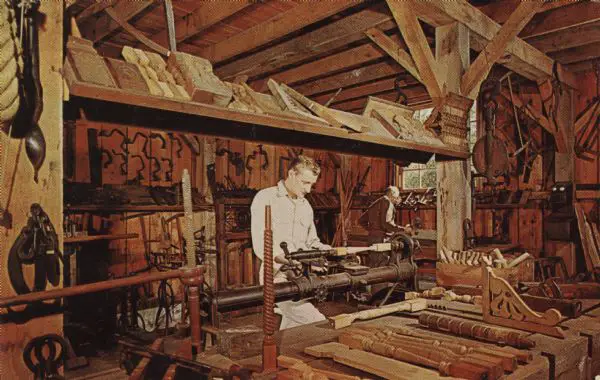
Carpenters were skilled tradesmen who constructed, repaired, and installed wooden structures and components. In the eighteenth, nineteenth, and early twentieth centuries, carpenters were essential in both rural and urban communities, building homes, barns, bridges, storefronts, and public buildings.
Because wood was the dominant building material of the period, carpentry was one of the most common skilled trades appearing in census and directory records.
How the Job Was Described
Historical records may list:
- Carpenter
- House carpenter
- Joiner
- Cabinetmaker
- Ship carpenter
- Bridge carpenter
- Builder
- Mechanic
In earlier records, “mechanic” may include carpenters. In maritime regions, “ship carpenter” appears as a distinct occupation.
Duties & Daily Work
Carpenters performed a wide range of tasks depending on specialization and region:
- Framing houses and barns
- Installing flooring, doors, and windows
- Constructing bridges and wooden infrastructure
- Repairing buildings and outbuildings
- Building wagons, boats, or structural components
Some carpenters worked independently. Others were employed on large projects such as mills, rail depots, factories, or urban construction sites.
Apprenticeship was common, and many carpenters trained under established masters before opening their own businesses.
Tools, Equipment & Work Environment
Carpentry relied on:
- Saws and hand planes
- Hammers and chisels
- Augers and braces
- Squares and measuring tools
- Workbenches and tool chests
Work might occur in small shops, at outdoor building sites, or inside partially constructed structures. Conditions varied depending on project size and season.
Employment Structure & Business Patterns
Carpenters might:
- Operate independent shops
- Contract for building projects
- Work for larger construction firms
- Move seasonally for available work
City directories frequently list carpenters, sometimes with shop addresses. Rural carpenters may appear consistently in tax rolls and land records.
Carpentry skills were portable, contributing to geographic mobility.
Records Created by Carpentry Work
Carpenters may appear in:
- City and rural directories
- Tax rolls
- Building permits (in larger towns)
- Probate inventories listing tools
- Business advertisements
- Court cases involving construction contracts
- Land and deed records tied to building activity
Because carpenters often owned tools and sometimes property, probate records can be especially revealing.
A Note on Historical Context
As towns expanded westward and urban centers industrialized, carpenters played a central role in community development. Wooden construction dominated until brick and steel became more common in urban areas.
Shifts in building materials and industrialization may explain occupational transitions such as carpenter to contractor, carpenter to factory worker, or carpenter to millwright. Understanding these transitions helps interpret occupational changes across census decades.
Newspapers & Periodicals
Carpenters appear in newspapers through:
- Business advertisements
- Contract notices
- Building announcements
- Court cases involving construction disputes
- Obituaries noting years in the trade
Large public projects often named contractors and skilled tradesmen.
Risks, Accidents & Legal Exposure
Carpentry carried physical risks:
- Falls from scaffolding
- Tool-related injuries
- Structural collapses
- Fire during construction
Serious accidents sometimes generated newspaper reports and legal documentation.
Industry Terminology (Selected)
- Joiner – Carpenter specializing in interior woodwork
- Millwright – Carpenter installing machinery
- Framing – Structural skeleton of a building
- Timber framing – Heavy wooden construction method
- Contractor – Individual overseeing construction projects
These terms frequently appear in directories, deeds, and local newspapers.
Selected Free Research Starting Points
Researchers may find useful background materials and contextual resources through:
- Library of Congress: historic building photographs and trade documentation
- National Archives: federal construction and labor records
- State archives and university collections focused on architecture and trades
- Scholarly and nonprofit building history sites
- Internet Archive and HathiTrust: carpentry manuals, building guides, and trade publications
Availability varies by region and era, but these sources provide valuable occupational context.
Why Carpenters Matter to Genealogical Research
Carpenters were foundational to community development and appear frequently in census and directory records. Understanding apprenticeship traditions, mobility for work, and small-business patterns helps genealogists interpret occupational continuity, economic standing, and property ownership across generations.
If you’d like this information in a clean, printable, and well-organized reference format, this topic is also included in the Quicksheet Vault. The Vault is designed for researchers who prefer working tools they can save, print, and reuse—whether that means building a personal binder of key resources or keeping reliable references close at hand. You can learn more about the Quicksheet Vault HERE