Background
Historical Occupation Profiles explain what ancestors actually did for a living and how those occupations shaped the records genealogists rely on today.
Occupation Overview
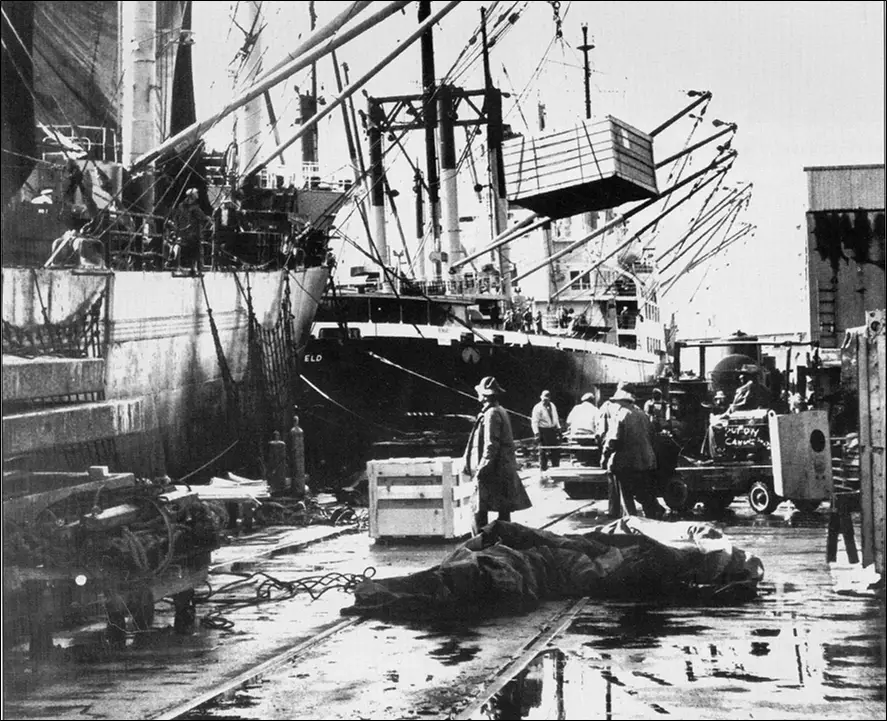
Dockworkers and longshoremen loaded, unloaded, sorted, and transferred cargo at ports and waterfronts. Before containerization and modern mechanized shipping, nearly all goods moving by sea passed through human hands.
In the nineteenth and early twentieth centuries, waterfront labor was physically demanding, highly visible, and often organized through hiring halls or labor bosses. Ports such as New York, Boston, Philadelphia, New Orleans, Baltimore, San Francisco, and smaller Great Lakes harbors relied heavily on this workforce.
How the Job Was Described
Historical records may use:
- dockworker
- longshoreman
- stevedore
- wharf laborer
- pier hand
- freight handler
- laborer (dock or harbor context)
“Stevedore” often referred to a worker or contractor specializing in loading and unloading ships. In some cities, the term described both individual workers and companies that supplied labor crews.
Context is critical: a census entry listing “laborer” in a major port city may indicate waterfront work.
Duties & Daily Work
Dockworkers and longshoremen:
- Loaded and unloaded cargo from ships
- Transferred goods between vessels, warehouses, and rail depots
- Secured cargo in holds
- Operated hoisting equipment
- Sorted freight for delivery
Cargo varied widely: grain, lumber, coal, textiles, machinery, livestock, and immigrant baggage. Work was irregular, tied to ship arrivals, and often hired by the day.
Many workers gathered at hiring points each morning, hoping to be selected for available work.
Tools, Equipment & Work Environment
Waterfront labor relied on:
- Cargo hooks and slings
- Ropes and pulleys
- Winches and cranes
- Hand trucks and carts
- Warehouse storage facilities
Work took place in exposed environments subject to weather, tides, and shifting loads. Heavy cargo and unstable footing made injuries common.
Employment Structure & Labor Organization
Dock work was frequently organized through:
- Hiring halls
- Labor bosses or contractors
- Stevedoring companies
- Waterfront unions
Longshoremen were among the most visible labor groups in major cities and played central roles in early labor organization and strikes.
Union membership, benefit societies, and strike activity often produced valuable documentation, including membership rolls, meeting notices, and newspaper coverage.
Records Created by Dock & Harbor Work
Dockworkers and longshoremen may appear in:
- City directories
- Port authority records
- Shipping company payrolls
- Union membership records
- Court cases involving cargo disputes or injuries
- Accident reports and coroner’s inquests
Because ports were regulated environments, municipal and federal oversight sometimes generated additional documentation.
A Note on Historical Context
Ports were gateways for immigration and commerce. Many immigrant men found their first employment on the waterfront. Ethnic clustering in certain dock areas was common, and entire neighborhoods often developed around port labor.
The physically demanding and irregular nature of dock work contributed to economic instability, frequent job changes, and mobility within port cities.
Understanding waterfront labor helps explain dense urban living patterns, shifting addresses, and multi-generational involvement in the same occupation.
Newspapers & Periodicals
Dockworkers and longshoremen appear in newspapers through:
- Labor strikes and disputes
- Shipping accidents
- Cargo theft cases
- Waterfront violence
- Community notices tied to port activity
- Obituaries noting years of harbor service
Major strikes involving longshoremen often generated extensive newspaper coverage.
Risks, Accidents & Legal Exposure
Waterfront labor carried significant hazards:
- Falling cargo
- Drowning
- Crane and hoist accidents
- Crushing injuries
- Shipboard falls
Injuries frequently led to lawsuits, union claims, or compensation proceedings, creating multiple layers of documentation.
Industry Terminology (Selected)
- Stevedore – Worker or contractor specializing in loading/unloading ships
- Wharf – Structure where ships dock
- Pier – Platform extending from shore
- Hold – Interior cargo space of a ship
- Hiring hall – Central location for labor dispatch
These terms commonly appear in newspapers, port records, and legal proceedings.
Selected Free Research Starting Points
Researchers may find useful background materials and occupational documentation through:
- Library of Congress: waterfront photographs and labor documentation
- National Archives: immigration, port authority, and maritime labor records
- State archives and municipal port collections
- Scholarly and nonprofit maritime history sites
- Internet Archive and HathiTrust: shipping manuals, labor reports, and maritime publications
Availability varies by port and era, but these sources provide valuable occupational context.
Why Dockworkers & Longshoremen Matter to Genealogical Research
Waterfront labor tied immigration, commerce, and labor organization together in powerful ways. Recognizing dock-related occupational terms helps genealogists interpret urban labor patterns, understand immigrant employment pathways, and identify records connected to ports and maritime commerce.
If you’d like this information in a clean, printable, and well-organized reference format, this topic is also included in the Quicksheet Vault. The Vault is designed for researchers who prefer working tools they can save, print, and reuse — whether that means building a personal binder of key resources or keeping reliable references close at hand. You can learn more about the Quicksheet Vault HERE