Background
Historical Occupation Profiles explain what ancestors actually did for a living and how those occupations shaped the records genealogists rely on today.
Occupation Overview
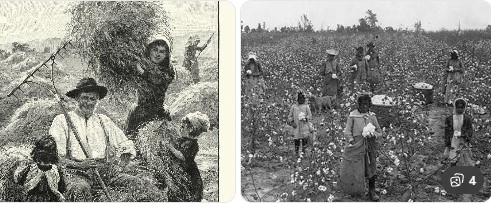
Farm laborers performed wage-based agricultural work for landowners, tenant farmers, or large estates. In the nineteenth and early twentieth centuries, “farm laborer” was one of the most common occupational descriptions in census records across rural America.
Unlike farmers, who typically owned or leased land, farm laborers worked for wages—often seasonally. Their work shaped migration patterns, family structure, and community stability in ways that are not always obvious from a single census entry.
How the Job Was Described
Historical records most often use:
- farm laborer
- agricultural laborer
- hired man
- farm hand
- field hand
- laborer (in rural districts)
In some regions, especially in the South, records may distinguish between:
- tenant
- sharecropper
- day laborer
Understanding these distinctions is essential. A “farm laborer” generally did not control land or production decisions and was typically paid in wages rather than crop shares.
Duties & Daily Work
Farm laborers performed physically demanding tasks tied to planting cycles and harvest seasons. Responsibilities varied by region and crop but commonly included:
- Plowing and planting
- Harvesting grain, cotton, or vegetables
- Haying and threshing
- Livestock feeding and care
- Fence building and repair
- General maintenance
Work was highly seasonal. Laborers might relocate temporarily for planting or harvest work, explaining sudden appearance in a new county between census years.
Young unmarried men frequently worked as farm laborers before establishing independent households.
Tools, Equipment & Work Environment
Farm laborers worked with the tools of small-scale and developing mechanized agriculture:
- Plows and harrows
- Scythes and sickles
- Threshing machines
- Hay rakes and wagons
- Draft animals and harnesses
By the late nineteenth century, machinery such as reapers and binders increasingly shaped agricultural labor, altering both skill requirements and accident risks.
Employment Structure & Living Arrangements
Farm laborers might:
- Live with the employing family
- Board seasonally
- Reside in separate labor housing
- Work as part of a migratory crew
Census records sometimes show farm laborers listed within another household, which can obscure family relationships. In other cases, clusters of young men appear together in boarding arrangements tied to agricultural employment.
Records Created by Farm Labor
Farm laborers left fewer centralized employment records than industrial workers, but documentation may surface in:
- Agricultural census schedules
- Estate and probate records
- Wage account books
- Crop lien and debt records
- Court cases involving labor disputes
- County poor relief or assistance records
In regions with large agricultural operations, plantation or estate records may contain payroll or worker lists.
A Note on Historical Context
Agricultural labor was deeply connected to broader economic systems. In the South, farm labor intersected with sharecropping and tenant systems following the Civil War. In the Midwest and West, harvest migration drew workers across state lines during peak seasons.
Immigrants, former enslaved individuals, and landless rural families often relied on agricultural work as an entry point into local economies. Understanding this context helps explain geographic movement and economic status over time.
Newspapers & Periodicals
Farm laborers appear in newspapers through:
- Harvest reports
- Labor shortages
- Crop damage coverage
- Wage disputes
- Accidents involving machinery
- Obituaries noting long service to local farms
Rural newspapers sometimes mention hired men in connection with community events, estate sales, or legal disputes.
Risks, Accidents & Legal Exposure
Though less industrial than mining or railroads, agricultural labor carried real dangers:
- Machinery entanglement
- Animal-related injuries
- Heat exhaustion
- Falls from wagons or barns
Serious incidents often generated coroner’s reports, court proceedings, and local newspaper coverage.
Industry Terminology (Selected)
- Sharecropper – Farmer who worked land in exchange for a share of the crop
- Tenant farmer – Farmer who rented land
- Hired man – Wage laborer on a farm
- Thresher – Machine used to separate grain
- Binder – Machine that cut and bound grain
These terms often appear interchangeably in records and require contextual interpretation.
Selected Free Research Starting Points
Researchers may find useful background materials and, in some cases, occupational documentation through:
- Library of Congress: agricultural photographs, rural surveys, and farm life documentation
- National Archives: agricultural census schedules, land records, and federal agricultural reports
- State archives and university agricultural collections
- Scholarly and nonprofit sites focused on rural history
- Internet Archive and HathiTrust: agricultural manuals, farm journals, and government farming bulletins
Availability varies widely by region and era, but these sources provide valuable context for interpreting farm labor records.
Why Farm Laborers Matter to Genealogical Research
“Farm laborer” is one of the most common yet misunderstood occupational labels in historical records. Understanding what the term meant in a specific region and era helps genealogists interpret economic status, explain geographic mobility, and identify overlooked records tied to agricultural employment.
If you’d like this information in a clean, printable, and well-organized reference format, this topic is also included in the Quicksheet Vault. The Vault is designed for researchers who prefer working tools they can save, print, and reuse — whether that means building a personal binder of key resources or keeping reliable references close at hand. You can learn more about the Quicksheet Vault HERE