Background
Historical Occupation Profiles explain what ancestors actually did for a living and how those occupations shaped the records genealogists rely on today.
Occupation Overview
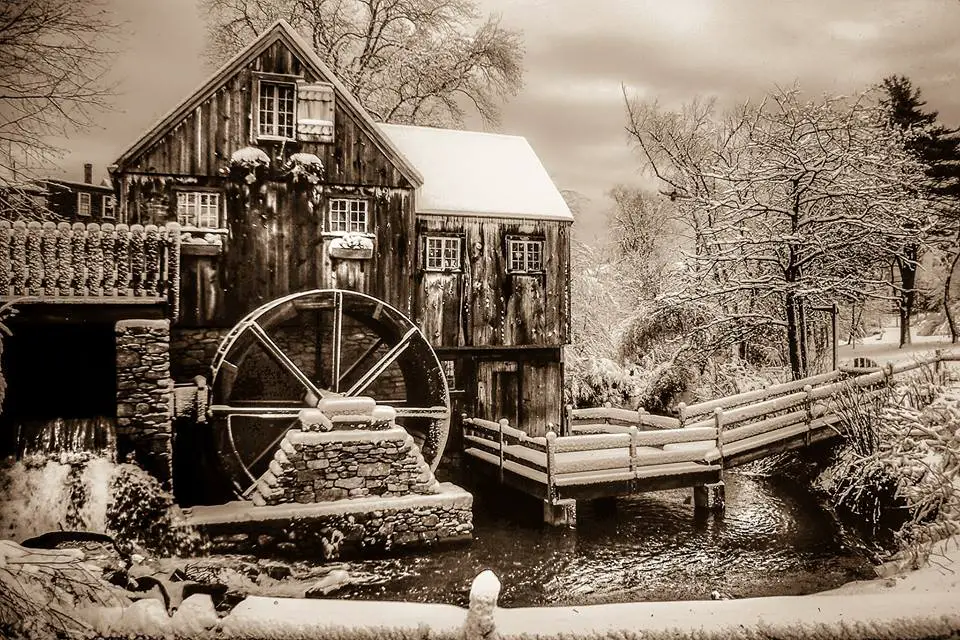
Gristmill operators ran mills that ground grain such as wheat, corn, and rye into flour and meal for local consumption. In the eighteenth, nineteenth, and early twentieth centuries, gristmills were essential to rural economies, providing a necessary service for farmers and communities.
Mills were often located near rivers or streams to harness water power, though later mills used steam or other forms of power. The gristmill was frequently a focal point of local activity, where farmers brought grain for processing and exchanged news and goods.
How the Job Was Described
Historical records may list:
- Miller
- Gristmill operator
- Mill operator
- Mill owner
- Flour miller
- Mill hand
In many cases, the term “miller” is used broadly and may refer specifically to a gristmill operator unless another type of mill is indicated.
Duties & Daily Work
Gristmill operators performed tasks such as:
- Receiving grain from local farmers
- Grinding grain into flour or meal
- Maintaining millstones and machinery
- Operating water or steam-powered equipment
- Measuring and packaging finished products
- Managing accounts and exchanges with customers
Milling required both technical skill and knowledge of grain quality and processing techniques.
Tools, Equipment & Work Environment
Gristmill operation relied on equipment such as:
- Millstones for grinding grain
- Waterwheels or turbines
- Gears and mechanical systems
- Sacks and storage containers
- Scales for measuring grain and flour
Work environments were centered around the mill structure, often located along waterways. Mills could be noisy and dusty due to grain processing.
Employment Structure & Business Patterns
Gristmill operators were typically:
- Independent business owners
- Operators of family-run mills
- Employees of larger milling operations
- Part of agricultural communities
Mills often served a defined local area, with farmers relying on a nearby mill for processing their crops.
Records Created by Milling Work
Gristmill operators may appear in:
- Census records
- Land and property records for mill sites
- Tax records
- Business advertisements
- Account books and ledgers
- Probate inventories listing mill equipment
Because mills were tied to specific locations, they may also appear in maps and land descriptions.
A Note on Historical Context
Gristmills were among the earliest industrial operations in many communities. They supported agriculture by converting raw grain into usable food products.
As transportation improved and large-scale milling operations developed, small local mills declined in importance. Many were eventually replaced by centralized industrial mills.
Understanding the role of gristmills helps explain early settlement patterns, as communities often formed around reliable water-powered sites.
Newspapers & Periodicals
Gristmill operators appear in newspapers through:
- Business advertisements
- Notices of mill construction or sale
- Local economic reports
- Community announcements
- Obituaries referencing mill ownership
Mills were often mentioned as important local businesses.
Risks, Hazards & Working Conditions
Gristmill work involved risks such as:
- Injuries from moving machinery
- Dust exposure affecting breathing
- Fire or explosion from grain dust
- Water-related hazards near mill sites
- Physical strain from handling grain and equipment
Accidents could sometimes be reported in local records or newspapers.
Industry Terminology (Selected)
- Grist – Grain brought to the mill for grinding
- Millstone – Stone used to grind grain
- Waterwheel – Mechanism powered by flowing water
- Toll – Portion of grain kept by the miller as payment
- Flour – Ground grain product
These terms frequently appear in agricultural and business records.
Selected Free Research Starting Points
Researchers may find useful background materials and contextual resources through:
- Library of Congress collections related to rural life and industry
- National Archives records involving land and agricultural production
- State archives preserving mill records and property documents
- Local historical societies documenting early industry
- Internet Archive and HathiTrust collections of milling manuals and agricultural guides
Availability varies by region and era, but these sources provide valuable context for understanding milling work.
Why Gristmill Operators Matter to Genealogical Research
Gristmill operators were central to rural economies and often appear in land, business, and census records. Understanding their role helps genealogists interpret community development, agricultural systems, and the economic relationships between farmers and local industries.
If you use Quicksheets often, the Quicksheet Vault puts 450+ of them in one organized place — clean, printable, and easy to reuse whenever you need them. Whether you keep digital references handy or build your own genealogy binder, the Vault makes research simpler. Learn more about the Quicksheet Vault HERE