Background
Historical Occupation Profiles explain what ancestors actually did for a living and how those occupations shaped the records genealogists rely on today.
Occupation Overview
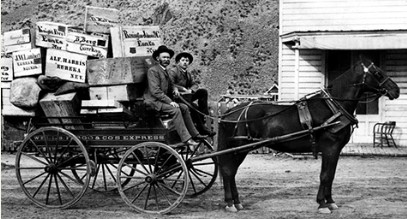
Peddlers sold goods by traveling from place to place rather than operating from a fixed shop. In the eighteenth, nineteenth, and early twentieth centuries, peddling was a common occupation, especially in rural areas and developing towns where permanent stores were limited.
Peddlers offered a wide variety of goods, including household items, clothing, tools, and small manufactured products. They played an important role in distributing goods to communities that lacked regular access to markets.
Many peddlers were immigrants who used the occupation as an entry point into local economies.
How the Job Was Described
- Historical records may list:
- Peddler
- Pedlar
- Hawker
- Itinerant merchant
- Traveling salesman
- Dealer (in some contexts)
In some records, spelling variations such as “pedlar” are common. Context is important to distinguish peddlers from shopkeepers or larger merchants.
Duties & Daily Work
Peddlers performed tasks such as:
- Traveling between towns and rural areas
- Selling goods directly to customers
- Carrying or transporting merchandise
- Negotiating prices and payments
- Maintaining inventory of goods
- Building relationships with customers
Work often involved long periods of travel and required knowledge of local routes and communities.
Tools, Equipment & Work Environment
Peddlers relied on equipment such as:
- Carts or wagons
- Pack animals or hand-carried goods
- Boxes or cases for merchandise
- Scales or measuring tools
- Personal records of sales
Work environments were mobile, covering both urban streets and rural roads. Conditions depended on travel distance, weather, and type of goods sold.
Employment Structure & Business Patterns
Peddlers were typically:
- Independent workers
- Small-scale entrepreneurs
- Supplied by wholesalers or merchants
- Part of informal distribution networks
Some peddlers eventually established permanent shops after gaining experience and customers.
Records Created by Peddling Work
Peddlers may appear in:
- Census records
- Licensing or permit records
- City directories
- Tax records
- Court records involving trade or disputes
- Immigration and naturalization records
Many jurisdictions required licenses for peddling, which can provide valuable documentation.
A Note on Historical Context
Peddling was an important part of early commercial systems, especially in areas without established retail infrastructure. It allowed goods to reach remote or underserved communities.
In many regions, peddlers were associated with specific immigrant groups, contributing to patterns of economic mobility and settlement.
As transportation and retail systems developed, peddling declined, replaced by permanent stores and modern distribution methods.
Newspapers & Periodicals
Peddlers appear in newspapers through:
- Licensing notices
- Advertisements or business announcements
- Reports of theft or disputes
- Local ordinances regulating peddling
- Community news involving traveling merchants
Newspapers sometimes reflect local attitudes toward peddlers, especially in relation to regulation.
Risks, Challenges & Working Conditions
Peddling involved challenges such as:
- Long-distance travel
- Exposure to weather
- Risk of theft or loss of goods
- Economic uncertainty
- Dependence on customer demand
Working conditions varied widely depending on location and type of merchandise.
Industry Terminology (Selected)
- Peddler – Traveling seller of goods
- Hawker – Street vendor or traveling seller
- License – Permit required to sell goods
- Itinerant – Traveling from place to place
- Consignment – Goods supplied for sale
These terms frequently appear in licensing records and legal documents.
Selected Free Research Starting Points
Researchers may find useful background materials and contextual resources through:
- Library of Congress collections related to commerce and daily life
- National Archives records involving licensing and regulation
- State archives preserving business and permit records
- Local historical societies documenting trade and community activity
- Internet Archive and HathiTrust collections of trade guides and economic studies
Availability varies by region and era, but these sources provide valuable context for understanding peddling work.
Why Peddlers Matter to Genealogical Research
Peddlers were often mobile and appear in records across multiple locations. Understanding their work helps genealogists interpret migration patterns, economic mobility, and the role of small-scale trade in community development.
If you use Quicksheets often, the Quicksheet Vault puts 450+ of them in one organized place — clean, printable, and easy to reuse whenever you need them. Whether you keep digital references handy or build your own genealogy binder, the Vault makes research simpler. Learn more about the Quicksheet Vault HERE