Background
Historical Occupation Profiles explain what ancestors actually did for a living and how those occupations shaped the records genealogists rely on today.
Occupation Overview
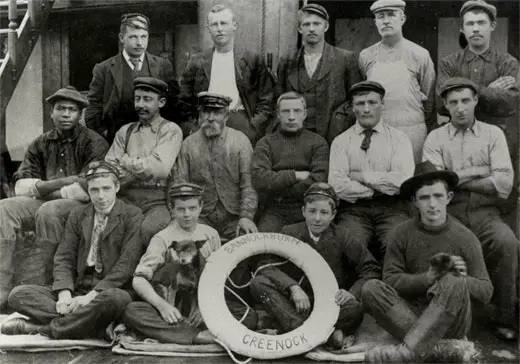
Merchant sailors transported goods and passengers aboard commercial vessels operating along coastal, river, and international trade routes. In the eighteenth, nineteenth, and early twentieth centuries, merchant shipping was essential to commerce, immigration, and communication.
Merchant sailors worked on cargo ships, steamships, packet ships, and other commercial vessels carrying products between ports around the world. Their work connected local communities to national and international markets.
Unlike naval personnel, merchant sailors worked in commercial shipping rather than military service.
How the Job Was Described
Historical records may list:
- Sailor
- Seaman
- Merchant seaman
- Deckhand
- Able seaman
- Mate
- Mariner
- Crewman
Terminology often reflected rank or responsibility aboard the vessel.
Duties & Daily Work
Merchant sailors performed tasks such as:
- Loading and unloading cargo
- Maintaining ships and rigging
- Navigating and steering vessels
- Standing watch during voyages
- Handling sails or steam equipment
- Assisting passengers and crew operations
Work varied depending on vessel type, route, and rank aboard the ship.
Tools, Equipment & Work Environment
Merchant sailing relied on equipment such as:
- Ships and steam vessels
- Navigation instruments
- Ropes and rigging
- Cargo equipment
- Charts and logbooks
Work environments were entirely maritime, involving long voyages and extended periods away from home.
Employment Structure & Maritime Commerce
Merchant sailors were commonly employed by:
- Shipping companies
- Commercial freight lines
- Passenger steamship companies
- River transport companies
Employment was often voyage-based, with sailors signing on for specific trips or periods of service.
Records Created by Merchant Sailing
Merchant sailors may appear in:
- Crew lists and ship manifests
- Port and customs records
- Maritime registers
- Census records
- Naturalization and immigration records
- Newspaper shipping reports
Because merchant shipping was heavily documented, maritime records can be extensive.
A Note on Historical Context
Merchant shipping was central to trade and migration before modern air transportation. Sailors often traveled internationally and were exposed to multiple ports and cultures.
Steam power gradually replaced sail during the nineteenth century, changing working conditions and maritime technology.
Many immigrant ancestors worked temporarily or permanently in merchant shipping.
Newspapers & Periodicals
Merchant sailors appear in newspapers through:
- Shipping news and port arrivals
- Reports of storms or shipwrecks
- Cargo and trade reports
- Maritime accidents
- Obituaries referencing seafaring careers
Shipping activity was widely reported in port cities.
Risks, Hazards & Working Conditions
Merchant sailing involved risks such as:
- Storms and shipwrecks
- Disease during long voyages
- Falls or equipment accidents
- Isolation from family
- Harsh weather conditions
Maritime deaths and disappearances were not uncommon.
Industry Terminology (Selected)
- Manifest – Official cargo or passenger list
- Deckhand – Sailor performing shipboard labor
- Mate – Officer assisting the captain
- Rigging – Ropes and equipment controlling sails
- Port – Harbor where ships load and unload
These terms frequently appear in maritime records and logs.
Selected Free Research Starting Points
Researchers may find useful background materials and contextual resources through:
- Library of Congress maritime collections
- National Archives ship and crew records
- State archives preserving port and customs records
- Maritime museums and historical societies
- Internet Archive and HathiTrust collections of shipping manuals and maritime reports
Availability varies by region and era, but these sources provide valuable context for understanding merchant sailing.
Why Sailors (Merchant Marine) Matter to Genealogical Research
Merchant sailors often appear in ship records, port documents, and immigration materials connected to trade and travel. Understanding their work helps genealogists interpret migration patterns, international movement, and maritime employment within commercial shipping networks.
If you use Quicksheets often, the Quicksheet Vault puts 450+ of them in one organized place — clean, printable, and easy to reuse whenever you need them. Whether you keep digital references handy or build your own genealogy binder, the Vault makes research simpler. Learn more about the Quicksheet Vault HERE