Background
Historical Occupation Profiles explain what ancestors actually did for a living and how those occupations shaped the records genealogists rely on today.
Occupation Overview
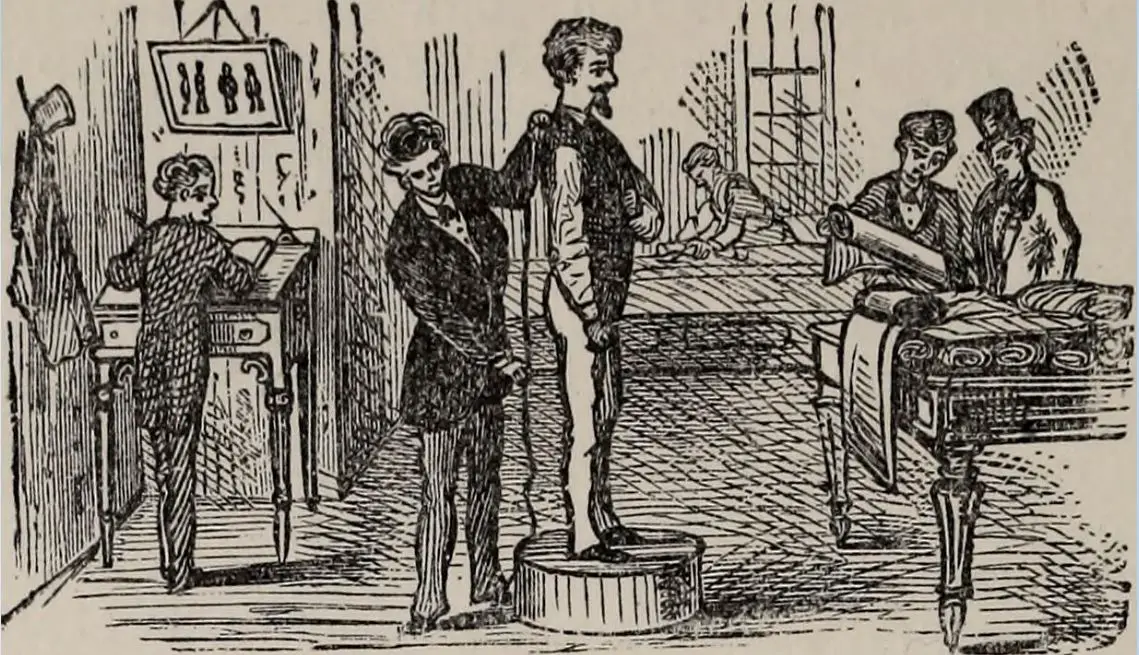
Tailors made, altered, and repaired clothing for individuals and families. In the eighteenth, nineteenth, and early twentieth centuries, tailoring was a skilled trade practiced in small shops, homes, and later in larger clothing establishments.
Before ready-made clothing became widespread, most garments were custom-made by tailors. Even after factory production increased, tailors continued to play an important role in altering, fitting, and repairing clothing.
Tailors were often highly visible in their communities and frequently operated small businesses serving local customers.
How the Job Was Described
Historical records may list:
- Tailor
- Journeyman tailor
- Master tailor
- Clothing maker
- Garment worker (custom context)
- Seamster (male tailor, less common)
- Clothier
- Merchant tailor
In some cases, tailors may be confused with garment factory workers or dressmakers. Context such as shop ownership or business listings can help distinguish custom tailoring from factory work.
Duties & Daily Work
Tailors performed a variety of tasks depending on specialization and business size:
- Measuring customers for custom garments
- Cutting fabric according to patterns
- Sewing garments by hand or machine
- Fitting and altering clothing
- Repairing worn or damaged garments
- Pressing and finishing garments
Tailors often worked closely with customers to ensure proper fit, making their work both technical and personal.
Many tailors operated small shops or worked from home, while others were employed in larger tailoring establishments.
Tools, Equipment & Work Environment
Tailoring relied on tools such as:
- Needles and thread
- Shears and cutting tools
- Measuring tapes
- Pressing irons
- Sewing machines (later period)
Workspaces included small shops, home-based workrooms, or urban commercial districts. Shops were often located in busy areas with steady customer traffic.
Apprenticeship & Trade Structure
Tailoring was traditionally learned through apprenticeship, with workers progressing through stages such as:
- Apprentice tailor
- Journeyman tailor
- Master tailor
- Shop owner or proprietor
Many tailors established independent businesses after completing their training. Family involvement in tailoring shops was common.
Records Created by Tailoring Work
Tailors may appear in:
- City directories
- Business advertisements
- Tax records
- Apprenticeship agreements
- Probate inventories listing tools and shop contents
- Court records involving debts or contracts
- Immigration and naturalization records (especially in urban areas)
Because tailors often operated visible businesses, they frequently appear in directories and newspapers.
A Note on Historical Context
Tailoring was closely tied to immigration and urban development. Many immigrant communities, particularly from Europe, included large numbers of tailors who established shops in growing cities.
As ready-made clothing became more common in the late nineteenth and early twentieth centuries, some tailors shifted from custom garment production to alteration and repair work.
Understanding this transition helps explain occupational changes in census records.
Newspapers & Periodicals
Tailors appear in newspapers through:
- Business advertisements
- Shop opening and relocation notices
- Partnership announcements
- Bankruptcy or debt notices
- Obituaries referencing long-standing tailoring businesses
Advertisements often provide insight into the types of garments produced and services offered.
Risks, Economic Pressures & Occupational Change
Tailors faced challenges such as:
- Competition from factory-produced clothing
- Economic downturns affecting demand
- Long working hours
- Physical strain from detailed manual work
- Changing fashion trends
The growth of mass production altered the traditional tailoring trade, leading some tailors to adapt or leave the profession.
Industry Terminology (Selected)
- Tailor – Maker of custom-fitted clothing
- Journeyman – Skilled worker who completed apprenticeship
- Master tailor – Experienced tailor often owning a shop
- Clothier – Seller of clothing, sometimes combined with tailoring
- Alterations – Adjustments made to existing garments
- These terms frequently appear in directories, advertisements, and trade records.
Selected Free Research Starting Points
Researchers may find useful background materials and contextual resources through:
- Library of Congress collections related to clothing and urban trades
- National Archives records involving immigration and labor
- State archives and local historical societies preserving business records
- University collections focused on labor and urban history
- Internet Archive and HathiTrust collections of tailoring manuals, pattern books, and trade publications
Availability varies by region and era, but these sources provide valuable context for understanding tailoring occupations.
Why Tailors Matter to Genealogical Research
Tailors were skilled tradesmen frequently found in urban communities and immigrant populations. Understanding their work helps genealogists interpret occupational continuity, small business ownership, and community connections, as well as identify records related to trade, apprenticeship, and local commerce.
If you’d like this information in a clean, printable, and well-organized reference format, this topic is also included in the Quicksheet Vault. The Vault is designed for researchers who prefer working tools they can save, print, and reuse — whether that means building a personal binder of key resources or keeping reliable references close at hand. You can learn more about the Quicksheet Vault HERE