The Ancestor Hunt regularly adds and updates new collection links, as well as searches for and fixes broken links.
(This page's most recent update is March 2026)
Want to improve your newspaper research skills? Become an AcademyPro member of the Newspaper Research Academy at Academy
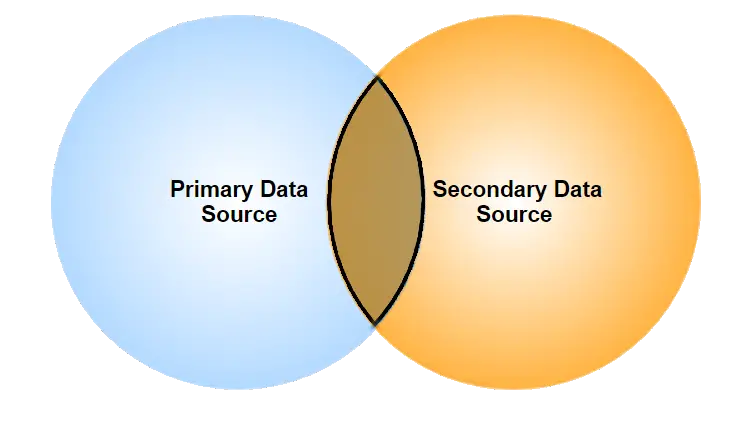
Genealogical records often contain both primary and secondary information. Understanding the difference between these types helps researchers evaluate accuracy and determine how much weight to give a particular piece of evidence.
Primary Information
Primary information is provided by someone with direct knowledge of an event at or near the time it occurred.
- Recorded close in time to the event
- Provided by eyewitness or participant
- Often found in birth, marriage, and death records
- Generally more reliable
Secondary Information
Secondary information is provided after the event, often based on memory or secondhand knowledge.
- Recorded long after the event occurred
- Provided by someone not present at the event
- Common in death certificates and later records
- May contain inaccuracies
Mixed Information
Many records contain both types of information.
- Death certificate may have accurate death date but incorrect birth date
- Census may correctly list residence but approximate ages
- Probate records may list heirs accurately but relationships loosely
Evaluating Information
- Consider who provided the information
- Determine how close the record is to the event
- Compare details across multiple sources
- Identify patterns of consistency or conflict
Research Considerations
- No single record should be accepted without evaluation
- Even primary information can contain errors
- Secondary information can still be valuable when supported by other evidence
- Conclusions should be based on multiple sources
If you’d like this information in a clean, printable, and well-organized reference format, this topic is also included in the Quicksheet Vault. The Vault is designed for researchers who prefer working tools they can save, print, and reuse — whether that means building a personal binder of key resources or keeping reliable references close at hand. You can learn more about the Quicksheet Vault HERE