Background
Historical Occupation Profiles explain what ancestors actually did for a living and how those occupations shaped the records genealogists rely on today.
Occupation Overview
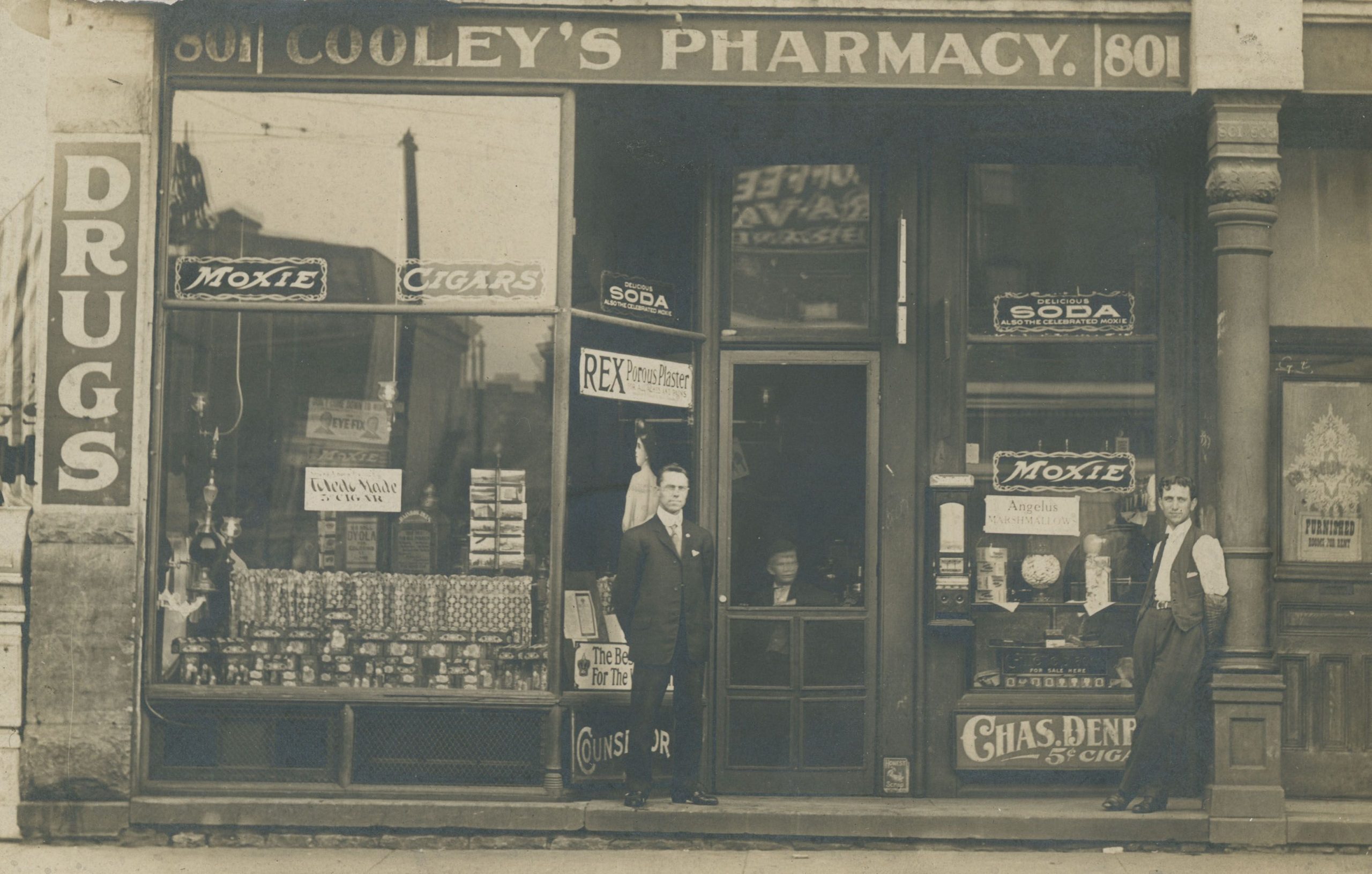
Apothecaries and druggists prepared, sold, and dispensed medicines and medical compounds for local communities. In the eighteenth, nineteenth, and early twentieth centuries, they played important roles in healthcare before modern pharmaceutical systems became standardized.
Apothecaries often mixed medicines by hand using herbs, chemicals, and medicinal ingredients. Druggists operated shops supplying medicines, medical products, and household remedies to physicians and the public.
These occupations combined elements of medicine, chemistry, retail business, and community service.
How the Job Was Described
Historical records may list:
- Apothecary
- Druggist
- Pharmacist
- Chemist
- Medicine dealer
- Pharmaceutical clerk
Terminology evolved over time as pharmacy became increasingly professionalized.
Duties & Daily Work
Apothecaries and druggists performed tasks such as:
- Preparing and compounding medicines
- Dispensing prescriptions
- Selling medical and household products
- Maintaining inventories of drugs and chemicals
- Advising customers on remedies
- Managing shops and business records
In earlier periods, medicines were often mixed and prepared directly within the shop.
Tools, Equipment & Work Environment
This work relied on equipment such as:
- Mortars and pestles
- Glass bottles and containers
- Scales and measuring devices
- Shelving and storage cabinets
- Chemical and herbal ingredients
Work environments included pharmacies, apothecary shops, and commercial storefronts.
Employment Structure & Professional Development
Apothecaries and druggists were commonly:
- Independent shop owners
- Employees in pharmacies
- Apprentices learning pharmaceutical work
- Licensed professionals (later periods)
The profession gradually shifted toward standardized pharmacy education and licensing.
Records Created by Pharmaceutical Work
Apothecaries and druggists may appear in:
- City directories
- Business advertisements
- Licensing records
- Professional association memberships
- Census records
- Newspaper notices and obituaries
Because pharmacies were visible local businesses, records are often plentiful.
A Note on Historical Context
Before modern pharmaceutical manufacturing, medicines were frequently compounded locally by apothecaries and druggists. Shops often sold both medical and household products.
Advances in chemistry, medicine, and regulation transformed pharmacy work during the nineteenth and early twentieth centuries.
Understanding historical pharmacy practice helps genealogists interpret medical terminology and healthcare systems.
Newspapers & Periodicals
Apothecaries and druggists appear in newspapers through:
- Advertisements for medicines and remedies
- Business announcements
- Public health notices
- Community involvement
- Obituaries referencing pharmaceutical careers
Drugstores were often highly visible businesses in local communities.
Risks, Challenges & Working Conditions
This work involved challenges such as:
- Exposure to chemicals and compounds
- Limited understanding of drug safety in earlier periods
- Economic competition
- Long business hours
- Responsibility for accurate preparation of medicines
Working conditions varied between small shops and larger commercial pharmacies.
Industry Terminology (Selected)
- Compound – Mixture prepared as medicine
- Prescription – Written medical order for treatment
- Chemist – Historical pharmacy-related occupation
- Dispense – Provide medicine to customer or patient
- Pharmacopoeia – Official reference of medicines and preparations
These terms frequently appear in pharmaceutical and medical records.
Selected Free Research Starting Points
Researchers may find useful background materials and contextual resources through:
- Library of Congress collections related to medicine and pharmacy
- National Archives public health and licensing records
- State archives preserving pharmaceutical records
- University collections focused on medical and pharmaceutical history
- Internet Archive and HathiTrust collections of pharmacy manuals and medical texts
Availability varies by region and era, but these sources provide valuable context for understanding pharmaceutical work.
Why Apothecaries & Druggists Matter to Genealogical Research
Apothecaries and druggists were important community professionals involved in healthcare and commerce. Understanding their work helps genealogists interpret medical terminology, local business activity, and the development of pharmacy and public health systems.
If you use Quicksheets often, the Quicksheet Vault puts 450+ of them in one organized place — clean, printable, and easy to reuse whenever you need them. Whether you keep digital references handy or build your own genealogy binder, the Vault makes research simpler. Learn more about the Quicksheet Vault HERE