Background
Historical Occupation Profiles explain what ancestors actually did for a living and how those occupations shaped the records genealogists rely on today.
Occupation Overview
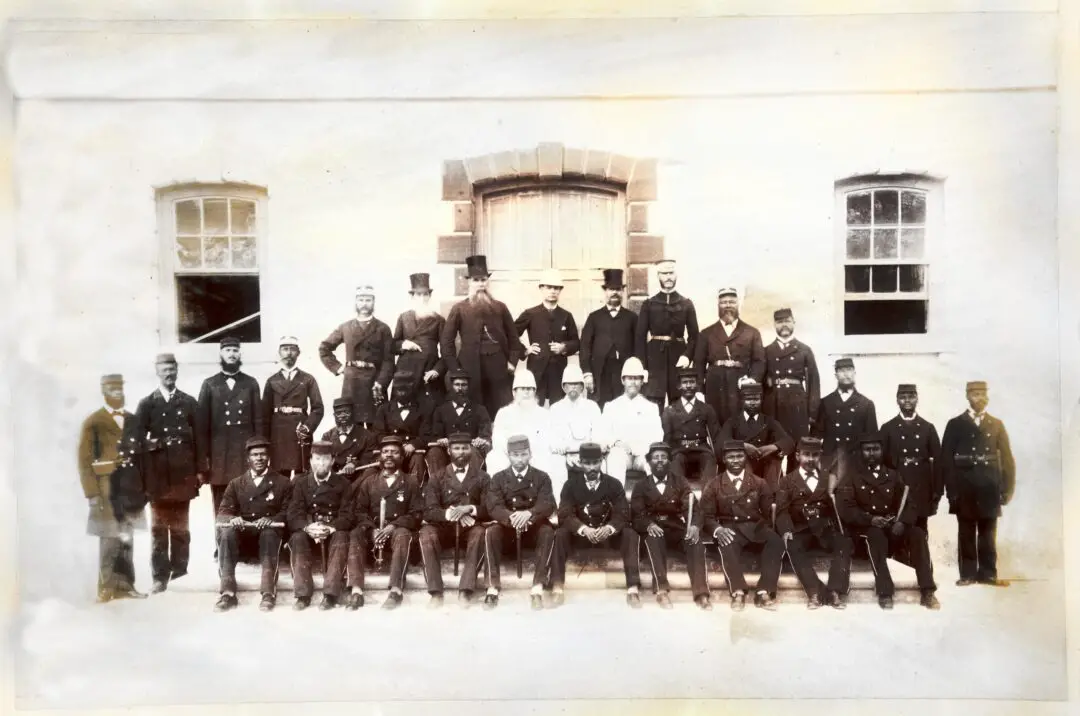
Prison guards supervised inmates and maintained security within jails, prisons, and correctional institutions. In the nineteenth and early twentieth centuries, prisons expanded as governments developed more formal correctional systems.
Guards were responsible for maintaining order, enforcing institutional rules, and overseeing inmate labor and daily routines. Their work connected law enforcement, public administration, and institutional management.
How the Job Was Described
Historical records may list:
- Prison guard
- Jailer
- Correctional officer
- Turnkey
- Deputy jailer
- Penitentiary guard
Terminology often depended on the size and type of institution.
Duties & Daily Work
Prison guards performed responsibilities such as:
- Monitoring inmates and prison activities
- Maintaining security and order
- Locking and unlocking cells
- Escorting prisoners
- Supervising inmate labor
- Assisting with institutional operations
Duties varied between local jails and large state penitentiaries.
Tools, Equipment & Work Environment
Prison work relied on equipment such as:
- Keys and locking systems
- Institutional records and registers
- Uniforms and security equipment
- Communication devices
- Weapons or restraint equipment
Work environments included jails, penitentiaries, and correctional compounds.
Employment Structure & Government Service
Prison guards were typically employed by:
- County jails
- State penitentiaries
- Federal prisons
- Local law enforcement systems
Correctional work was generally public employment connected to government institutions.
Records Created by Prison Work
Prison guards may appear in:
- Census records
- Government employment records
- City directories
- Institutional reports
- Newspaper accounts involving prisons
- Public payroll and civil service records
Large prisons often generated substantial administrative documentation.
A Note on Historical Context
Correctional systems evolved significantly during the nineteenth century as prisons replaced earlier punishment systems in many regions.
Prisons often included inmate labor programs, agricultural operations, and industrial workshops supervised by guards and administrators.
Understanding prison systems helps genealogists interpret criminal justice and institutional records.
Newspapers & Periodicals
Prison guards appear in newspapers through:
- Reports involving prisons or inmates
- Escapes or disturbances
- Public employment notices
- Institutional investigations
- Obituaries referencing correctional service
Prisons frequently attracted public and newspaper attention.
Risks, Challenges & Working Conditions
Prison work involved challenges such as:
- Risk of violence or injury
- Emotional stress
- Long or irregular hours
- Exposure to disease in crowded institutions
- Responsibility for maintaining institutional order
Conditions varied widely depending on institution size and management.
Industry Terminology (Selected)
- Penitentiary – Large prison institution
- Cell block – Area containing inmate cells
- Turnkey – Historical term for jailer or guard
- Warden – Administrative head of prison
- Inmate labor – Work performed by prisoners
These terms frequently appear in correctional records and reports.
Selected Free Research Starting Points
Researchers may find useful background materials and contextual resources through:
- Library of Congress collections related to criminal justice history
- National Archives prison and law enforcement records
- State archives preserving penitentiary records
- Local historical societies documenting correctional institutions
- Internet Archive and HathiTrust collections of prison reports and correctional studies
Availability varies by region and era, but these sources provide valuable context for understanding prison work.
Why Prison Guards Matter to Genealogical Research
Prison guards were public employees connected to institutions that generated extensive administrative records. Understanding their work helps genealogists interpret correctional records, government employment, and the operation of historical prison systems.
If you use Quicksheets often, the Quicksheet Vault puts 450+ of them in one organized place — clean, printable, and easy to reuse whenever you need them. Whether you keep digital references handy or build your own genealogy binder, the Vault makes research simpler. Learn more about the Quicksheet Vault HERE