Background
Historical Occupation Profiles explain what ancestors actually did for a living and how those occupations shaped the records genealogists rely on today.
Occupation Overview
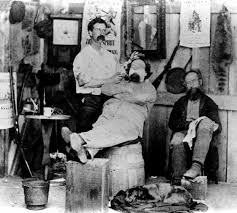
Barbers cut hair, shaved beards, and provided grooming services for men in towns and cities. In the eighteenth, nineteenth, and early twentieth centuries, barbering was both a skilled trade and a social occupation, with barbershops serving as gathering places for conversation, news, and community interaction.
In earlier periods, barbers also performed minor medical procedures such as bloodletting and tooth extraction, though by the nineteenth century the role had become more focused on grooming and personal care.
Barbershops were common in both urban and rural areas and were often small, independently operated businesses.
How the Job Was Described
Historical records may list:
- Barber
- Hairdresser (male grooming context)
- Tonsorial artist
- Shaver
- Barber and hairdresser
- Shopkeeper (barber context)
In some records, particularly earlier ones, barbers may be associated with medical terminology or combined trades.
Duties & Daily Work
Barbers performed tasks such as:
- Cutting and styling hair
- Shaving beards and mustaches
- Trimming facial hair
- Maintaining grooming tools
- Managing shop operations
- Interacting with customers and maintaining relationships
Work was steady and customer-facing, often involving repeat clients from the local community.
Tools, Equipment & Work Environment
Barbering relied on tools such as:
- Razors and scissors
- Combs and brushes
- Shaving mugs and soaps
- Barber chairs
- Mirrors and shop fixtures
Work environments included small barbershops located along main streets, in commercial districts, or within larger establishments.
Shops were often social spaces where patrons gathered regularly.
Employment Structure & Business Patterns
Barbers were typically:
- Independent business owners
- Operators of small shops
- Employees in larger barbering establishments
- Part of family-run businesses
Barbershops were often passed down through families or operated by long-term proprietors.
Location and reputation played a significant role in business success.
Records Created by Barbering Work
Barbers may appear in:
- City directories
- Business advertisements
- Licensing records
- Tax records
- Census records
- Newspaper notices and local advertisements
Because barbering required licensing in many areas, official records may exist documenting their trade.
A Note on Historical Context
Barbershops were important social centers, particularly in urban communities. They served as places for conversation, news exchange, and community interaction.
In some communities, barbershops also reflected cultural or ethnic identity, serving specific populations.
The profession evolved over time with changing grooming styles and the introduction of new tools and techniques.
Newspapers & Periodicals
Barbers appear in newspapers through:
- Business advertisements
- Shop openings and relocations
- Licensing notices
- Community involvement
- Obituaries referencing years in business
Advertisements often highlight services, prices, and location.
Risks, Challenges & Working Conditions
Barbering involved challenges such as:
- Long hours standing
- Close interaction with customers
- Maintaining hygiene standards
- Economic competition
- Dependence on steady local clientele
Health risks were relatively limited compared to industrial occupations, but sanitation was an important concern.
Industry Terminology (Selected)
- Tonsorial – Relating to barbering
- Straight razor – Traditional shaving tool
- Lather – Foam used for shaving
- Chair – Specialized seat for customers
- Shave – Grooming service involving facial hair removal
These terms frequently appear in advertisements and trade descriptions.
Selected Free Research Starting Points
Researchers may find useful background materials and contextual resources through:
- Library of Congress collections related to social and urban life
- National Archives records involving business and licensing
- State archives preserving occupational licensing records
- Local historical societies documenting community businesses
- Internet Archive and HathiTrust collections of barbering manuals and trade guides
Availability varies by region and era, but these sources provide valuable context for understanding barbering work.
Why Barbers Matter to Genealogical Research
Barbers were highly visible members of their communities and often appear in directories, business records, and newspapers. Understanding their work helps genealogists interpret small business ownership, social networks, and community interaction within local environments.
If you use Quicksheets often, the Quicksheet Vault puts 450+ of them in one organized place — clean, printable, and easy to reuse whenever you need them. Whether you keep digital references handy or build your own genealogy binder, the Vault makes research simpler. Learn more about the Quicksheet Vault HERE