Background
Historical Occupation Profiles explain what ancestors actually did for a living and how those occupations shaped the records genealogists rely on today.
Occupation Overview
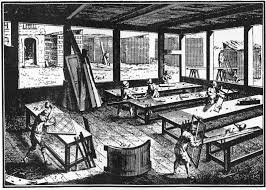
Cabinet makers crafted fine wooden furniture, cabinets, and decorative household items using specialized woodworking skills. In the eighteenth, nineteenth, and early twentieth centuries, cabinet making was considered a skilled trade associated with precision craftsmanship and custom work.
Cabinet makers produced both practical and decorative pieces for homes, businesses, and public buildings. Their work ranged from simple storage furniture to highly detailed handcrafted items.
Many cabinet makers operated small workshops or family businesses within growing communities.
How the Job Was Described
Historical records may list:
- Cabinet maker
- Furniture maker
- Joiner
- Woodworker
- Carpenter (fine woodworking context)
- Cabinetmaker
In some records, cabinet makers may overlap with joiners or furniture makers depending on specialization and local terminology.
Duties & Daily Work
Cabinet makers performed tasks such as:
- Designing and constructing furniture
- Cutting and shaping wood
- Assembling cabinets and household furnishings
- Applying finishes and decorative details
- Repairing furniture
- Working with customers on custom orders
Work required careful measurement, attention to detail, and knowledge of wood types and construction methods.
Tools, Equipment & Work Environment
Cabinet making relied on tools such as:
- Hand saws and planes
- Chisels and carving tools
- Workbenches and clamps
- Measuring and marking tools
- Finishing materials such as varnish and stain
Work environments included workshops or small factories, often attached to retail spaces or family homes.
Employment Structure & Trade Patterns
Cabinet makers were typically:
- Independent craftsmen
- Owners of small workshops
- Employees in furniture factories
- Apprentices learning the trade
The occupation commonly followed an apprenticeship system, progressing from apprentice to master craftsman.
Records Created by Cabinet Making Work
Cabinet makers may appear in:
- City directories
- Business advertisements
- Apprenticeship agreements
- Tax records
- Census records
- Probate inventories listing tools and workshop contents
Because many operated businesses, they frequently appear in commercial records.
A Note on Historical Context
Before mass-produced furniture became common, cabinet makers supplied custom furnishings tailored to individual households. Their work reflected local styles, available materials, and craftsmanship traditions.
Industrialization gradually shifted furniture production toward factories, though skilled cabinet making remained important for custom and high-quality work.
Immigrant craftsmen often introduced specialized woodworking traditions into local communities.
Newspapers & Periodicals
Cabinet makers appear in newspapers through:
- Business advertisements
- Furniture sale notices
- Shop openings and relocations
- Partnership announcements
- Obituaries referencing years in trade
Advertisements often highlighted craftsmanship and custom work.
Risks, Hazards & Working Conditions
Cabinet making involved risks such as:
- Injuries from cutting tools
- Dust exposure from woodworking
- Physical strain from lifting materials
- Fire hazards in workshops
- Long hours of detailed work
Working conditions varied depending on whether the work was independent or factory-based.
Industry Terminology (Selected)
- Joiner – Woodworker specializing in fitted woodwork
- Veneer – Thin decorative layer of wood
- Cabinetry – Built or crafted wooden storage furniture
- Plane – Tool used to smooth wood
- Finish – Final protective or decorative coating
These terms frequently appear in trade records and advertisements.
Selected Free Research Starting Points
Researchers may find useful background materials and contextual resources through:
- Library of Congress collections related to trades and craftsmanship
- National Archives records involving business and labor
- State archives preserving commercial and apprenticeship records
- Local historical societies documenting furniture makers and workshops
- Internet Archive and HathiTrust collections of woodworking manuals and trade guides
Availability varies by region and era, but these sources provide valuable context for understanding cabinet making.
Why Cabinet Makers Matter to Genealogical Research
Cabinet makers were skilled craftsmen who often operated visible local businesses. Understanding their work helps genealogists interpret occupational skill levels, apprenticeship traditions, and participation in local commercial life.
If you use Quicksheets often, the Quicksheet Vault puts 450+ of them in one organized place — clean, printable, and easy to reuse whenever you need them. Whether you keep digital references handy or build your own genealogy binder, the Vault makes research simpler. Learn more about the Quicksheet Vault HERE