Background
Historical Occupation Profiles explain what ancestors actually did for a living and how those occupations shaped the records genealogists rely on today.
Occupation Overview
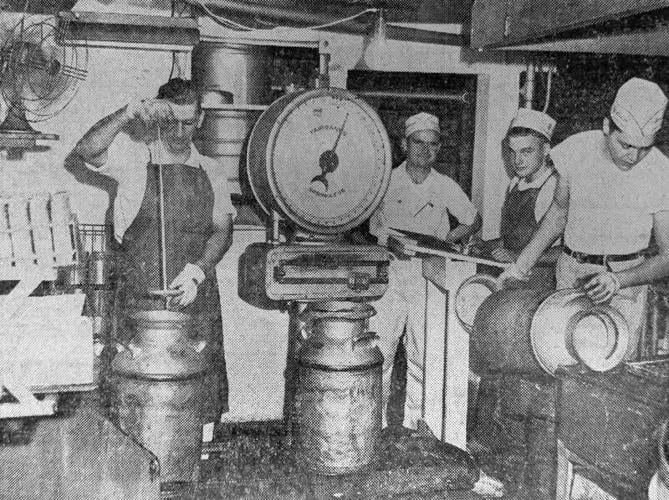
Dairy workers cared for dairy animals and produced milk, butter, cheese, and related products for local consumption and commercial sale. In the nineteenth and early twentieth centuries, dairying became an important agricultural industry supplying growing towns and cities with fresh dairy products.
Dairy work ranged from small family farms to larger commercial dairy operations. Workers were responsible for both animal care and the processing of dairy products.
How the Job Was Described
Historical records may list:
- Dairy worker
- Dairyman
- Milkman
- Cheesemaker
- Creamery worker
- Farm laborer (dairy context)
In some records, dairy workers may also appear under broader agricultural occupations.
Duties & Daily Work
Dairy workers performed tasks such as:
- Milking cows or other dairy animals
- Feeding and caring for livestock
- Cleaning barns and equipment
- Processing milk into butter or cheese
- Transporting milk and dairy products
- Maintaining sanitary conditions
Work was physically demanding and often began very early each day.
Tools, Equipment & Work Environment
Dairy work relied on equipment such as:
- Milking pails and containers
- Cream separators
- Butter churns
- Storage containers and cooling systems
- Barn and feeding equipment
Work environments included barns, creameries, and dairy processing facilities. Sanitation and cleanliness were essential to the work.
Employment Structure & Agricultural Patterns
Dairy workers were commonly employed by:
- Family dairy farms
- Commercial dairies
- Creameries
- Agricultural estates
- Milk distribution businesses
Some workers focused on production, while others handled processing or delivery.
Records Created by Dairy Work
Dairy workers may appear in:
- Census records
- Agricultural schedules
- Farm and livestock records
- Creamery employment records
- Local directories
- Newspaper reports involving agricultural production
Because dairying was tied to agriculture, workers may also appear in land and tax records.
A Note on Historical Context
Dairy production expanded significantly as urban populations grew and demanded reliable food supplies. Improvements in refrigeration and transportation helped increase the scale of dairy operations.
Public health concerns also led to greater regulation of milk production and sanitation practices.
Understanding the growth of dairying helps explain agricultural development and food distribution systems.
Newspapers & Periodicals
Dairy workers appear in newspapers through:
- Agricultural reports
- Milk and dairy market news
- Creamery advertisements
- Public health notices
- Obituaries referencing farming or dairy work
Dairy production was often discussed in agricultural sections of newspapers.
Risks, Hazards & Working Conditions
Dairy work involved challenges such as:
- Long daily hours
- Exposure to weather and livestock conditions
- Physical strain from lifting and repetitive labor
- Risk of illness related to livestock or sanitation
- Economic dependence on agricultural markets
Working conditions varied between small farms and larger commercial dairies.
Industry Terminology (Selected)
- Creamery – Facility processing dairy products
- Churn – Equipment used to make butter
- Milking – Process of collecting milk from animals
- Separator – Device separating cream from milk
- Dairyman – Worker involved in dairy production
These terms frequently appear in agricultural records and reports.
Selected Free Research Starting Points
Researchers may find useful background materials and contextual resources through:
- Library of Congress collections related to agriculture and rural life
- National Archives records involving farming and food production
- State archives preserving agricultural and livestock records
- Local historical societies documenting dairy communities
- Internet Archive and HathiTrust collections of dairy manuals and agricultural guides
Availability varies by region and era, but these sources provide valuable context for understanding dairy work.
Why Dairy Workers Matter to Genealogical Research
Dairy workers were part of agricultural systems that supplied essential food products to growing communities. Understanding their work helps genealogists interpret rural employment, family farming operations, and the development of agricultural industries.
If you use Quicksheets often, the Quicksheet Vault puts 450+ of them in one organized place — clean, printable, and easy to reuse whenever you need them. Whether you keep digital references handy or build your own genealogy binder, the Vault makes research simpler. Learn more about the Quicksheet Vault HERE