Background
Historical Occupation Profiles explain what ancestors actually did for a living and how those occupations shaped the records genealogists rely on today.
Occupation Overview
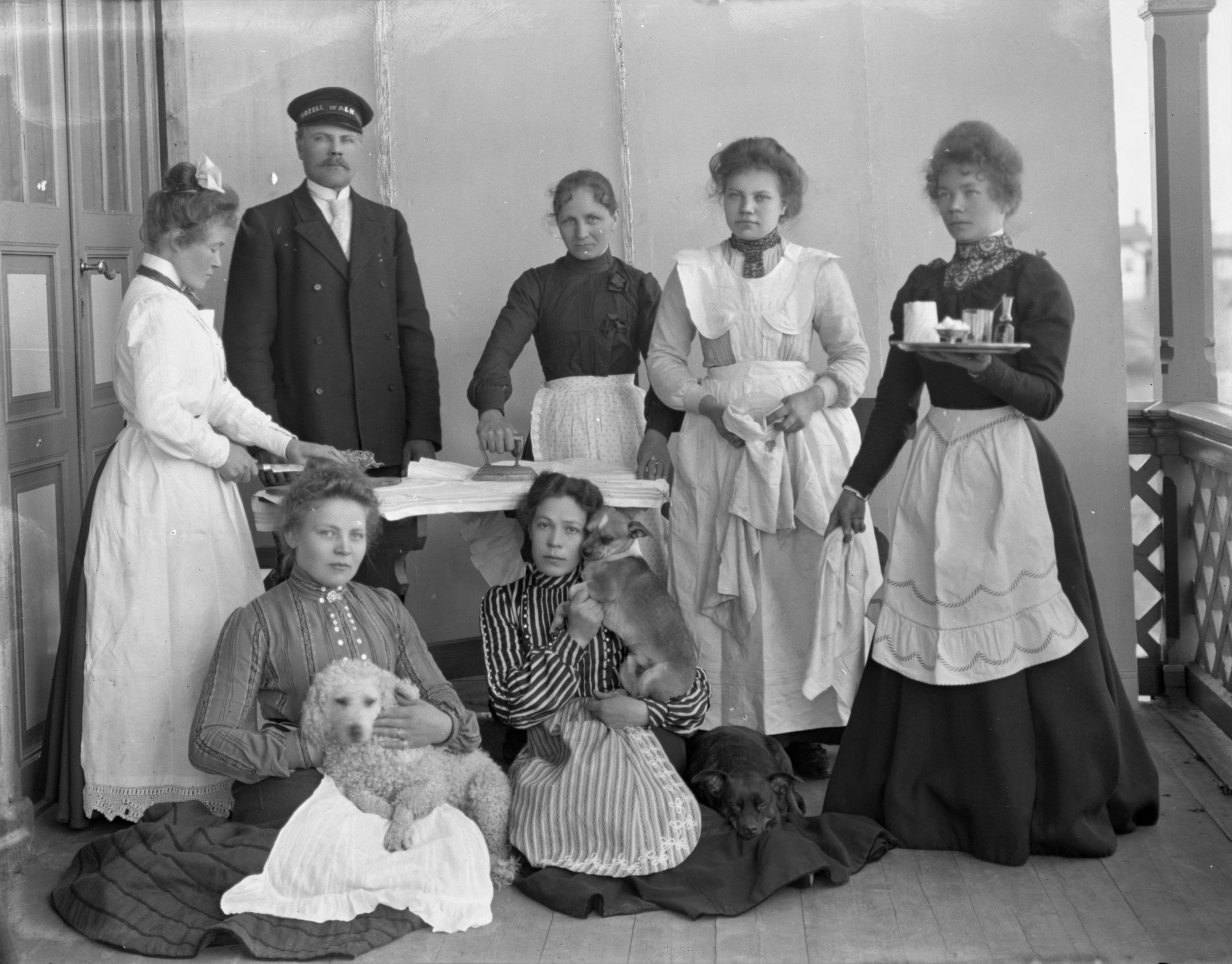
Hotel workers operated and maintained hotels, inns, and lodging establishments that provided accommodations for travelers, laborers, and long-term residents. In the nineteenth and early twentieth centuries, hotels ranged from small rural inns to large urban establishments serving growing transportation and commercial networks.
Hotel work involved a wide variety of occupations, including clerks, porters, cooks, cleaners, and managers. These establishments became important centers of travel, business, and social activity.
How the Job Was Described
Historical records may list:
- Hotel worker
- Hotel clerk
- Innkeeper
- Porter
- Bellhop
- Cook (hotel context)
- Chambermaid
- Manager (hotel context)
In many records, specific job titles may be listed separately depending on the worker’s responsibilities within the hotel.
Duties & Daily Work
Hotel workers performed responsibilities such as:
- Registering and assisting guests
- Preparing rooms and maintaining cleanliness
- Handling luggage and deliveries
- Cooking and serving meals
- Managing reservations and payments
- Maintaining hotel facilities
Large hotels employed many workers in specialized roles, while smaller inns often relied on family labor.
Tools, Equipment & Work Environment
Hotel work relied on equipment and materials such as:
- Guest registers and ledgers
- Cleaning tools and supplies
- Kitchen and dining equipment
- Luggage carts
- Linens and furnishings
Work environments ranged from small roadside inns to large city hotels with multiple departments and staff.
Employment Structure & Business Patterns
Hotel workers were typically employed by:
- Hotels and inns
- Boarding houses
- Railroad hotels
- Resort properties
- Family-operated lodging businesses
Hotels often expanded near railroad stations, ports, and commercial districts.
Records Created by Hotel Work
Hotel workers may appear in:
- Census records
- City directories
- Hotel advertisements
- Employment records
- Business licensing records
- Newspaper notices involving hotels
Hotels themselves may also appear prominently in maps, directories, and commercial records.
A Note on Historical Context
Hotels grew rapidly alongside transportation systems such as railroads and steamships. Urbanization and increased travel created demand for lodging and hospitality services.
Many hotels also served as centers for business meetings, political gatherings, and social events within communities.
As tourism and transportation expanded, hotel operations became larger and more specialized.
Newspapers & Periodicals
Hotel workers appear in newspapers through:
- Hotel advertisements
- Employment notices
- Community and social news
- Reports involving travelers or notable guests
- Obituaries referencing hospitality work
Hotels were often highly visible businesses within local communities.
Risks, Challenges & Working Conditions
Hotel work involved challenges such as:
- Long and irregular working hours
- Physically demanding cleaning and service work
- Interaction with large numbers of guests
- Exposure to illness in crowded environments
- Economic dependence on travel and commerce
Working conditions varied widely depending on the size and reputation of the establishment.
Industry Terminology (Selected)
- Innkeeper – Operator of a lodging establishment
- Porter – Worker handling luggage and guest assistance
- Chambermaid – Worker responsible for guest rooms
- Boarding house – Residence offering lodging and meals
- Register – Record of hotel guests
These terms frequently appear in directories and newspaper advertisements.
Selected Free Research Starting Points
Researchers may find useful background materials and contextual resources through:
- Library of Congress collections related to travel and urban life
- National Archives records involving commerce and transportation
- State archives preserving business and licensing records
- Local historical societies documenting hotels and tourism
- Internet Archive and HathiTrust collections of hotel directories and hospitality guides
Availability varies by region and era, but these sources provide valuable context for understanding hotel work.
Why Hotel Workers Matter to Genealogical Research
Hotel workers were part of the hospitality and transportation economy that supported travel and commerce. Understanding their work helps genealogists interpret urban employment, migration patterns, and community roles connected to lodging and service industries.
If you use Quicksheets often, the Quicksheet Vault puts 450+ of them in one organized place — clean, printable, and easy to reuse whenever you need them. Whether you keep digital references handy or build your own genealogy binder, the Vault makes research simpler. Learn more about the Quicksheet Vault HERE