Background
Historical Occupation Profiles explain what ancestors actually did for a living and how those occupations shaped the records genealogists rely on today.
Occupation Overview
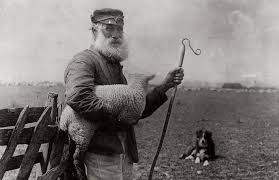
Shepherds cared for sheep raised for wool, meat, and milk production. In the eighteenth, nineteenth, and early twentieth centuries, shepherding was an important agricultural occupation in rural communities and grazing regions.
Shepherds managed flocks over large areas of land, often working in isolated environments. Their responsibilities included protecting sheep, guiding grazing patterns, and assisting with breeding and shearing operations.
The occupation was especially significant in regions where wool production supported local or regional economies.
How the Job Was Described
Historical records may list:
- Shepherd
- Sheepherder
- Herdsman
- Stockman
- Farm laborer (sheep context)
- Ranch worker (sheep context)
Terminology may vary depending on region and the size of the agricultural operation.
Duties & Daily Work
Shepherds performed tasks such as:
- Herding and managing sheep
- Guiding flocks to grazing areas
- Protecting animals from predators
- Assisting with lambing and breeding
- Participating in shearing operations
- Monitoring flock health and conditions
Work often required long periods outdoors and extended time away from towns or settlements.
Tools, Equipment & Work Environment
Shepherding relied on equipment such as:
- Crooks or staffs
- Herding dogs
- Fencing materials
- Shearing tools
- Wagons or camp supplies
Work environments included open grazing land, hills, mountains, and rural agricultural regions.
Employment Structure & Agricultural Patterns
Shepherds were commonly employed by:
- Farm owners
- Ranch operations
- Wool producers
- Agricultural estates
Some shepherds managed small personal flocks, while others worked for large commercial operations.
Records Created by Shepherding Work
Shepherds may appear in:
- Census records
- Agricultural schedules
- Land and livestock records
- Employment records on ranches or estates
- Local directories in rural areas
- Newspaper reports involving livestock
Because shepherding was often rural and isolated, records may be limited outside census and agricultural documents.
A Note on Historical Context
Sheep raising was important to textile production and agricultural economies. Wool was a major commodity before synthetic fibers became common.
In some regions, shepherding involved seasonal migration patterns as flocks moved between grazing areas.
Technological changes and shifts in agriculture gradually reduced the need for traditional shepherding practices.
Newspapers & Periodicals
Shepherds appear in newspapers through:
- Agricultural reports
- Livestock market news
- Reports of predator losses or weather damage
- Regional farming news
- Obituaries referencing agricultural work
Coverage varied depending on the importance of sheep farming within the region.
Risks, Hazards & Working Conditions
Shepherding involved challenges such as:
- Isolation and remote living conditions
- Exposure to harsh weather
- Predator threats to livestock
- Long hours outdoors
- Economic dependence on livestock markets
Working conditions could be difficult, especially in mountainous or remote grazing regions.
Industry Terminology (Selected)
- Flock – Group of sheep
- Shearing – Removal of wool from sheep
- Pasture – Grazing land
- Lambing – Season when sheep give birth
- Wool – Fiber harvested from sheep
These terms frequently appear in agricultural records and reports.
Selected Free Research Starting Points
Researchers may find useful background materials and contextual resources through:
- Library of Congress collections related to agriculture and rural life
- National Archives records involving farming and livestock
- State archives preserving agricultural records
- Local historical societies documenting farming communities
- Internet Archive and HathiTrust collections of shepherding manuals and agricultural guides
Availability varies by region and era, but these sources provide valuable context for understanding shepherding work.
Why Shepherds Matter to Genealogical Research
Shepherds were part of agricultural systems tied to livestock and wool production. Understanding their work helps genealogists interpret rural employment patterns, agricultural communities, and the economic importance of sheep raising in specific regions.
If you use Quicksheets often, the Quicksheet Vault puts 450+ of them in one organized place — clean, printable, and easy to reuse whenever you need them. Whether you keep digital references handy or build your own genealogy binder, the Vault makes research simpler. Learn more about the Quicksheet Vault HERE