Background
Historical Occupation Profiles explain what ancestors actually did for a living and how those occupations shaped the records genealogists rely on today.
Occupation Overview
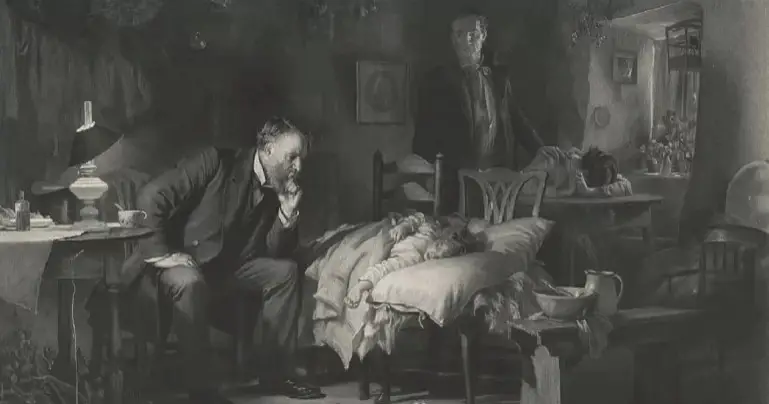
Doctors and physicians diagnosed illnesses, treated injuries, and provided medical care to individuals and communities. In the eighteenth, nineteenth, and early twentieth centuries, medical practice ranged from rural family doctors to specialized urban physicians.
Physicians often served as respected community figures, particularly in smaller towns where one doctor might provide care for an entire region.
Medical practice evolved significantly over time, especially with advances in sanitation, surgery, and scientific understanding of disease.
How the Job Was Described
Historical records may list:
- Doctor
- Physician
- Medical doctor
- Surgeon
- Country doctor
- Practitioner
In earlier periods, physicians may also be associated with apothecaries or surgeons depending on local practice patterns.
Duties & Daily Work
Doctors and physicians performed responsibilities such as:
- Diagnosing illnesses and injuries
- Treating patients with medicines or procedures
- Delivering babies
- Performing surgery
- Keeping medical records
- Traveling to patient homes
In rural communities, doctors often covered large geographic areas and remained on call for emergencies.
Tools, Equipment & Work Environment
Medical work relied on equipment such as:
- Medical bags and instruments
- Stethoscopes and diagnostic tools
- Medicines and compounds
- Surgical instruments
- Patient ledgers and records
Work environments included offices, hospitals, patient homes, and rural communities.
Training & Professional Structure
Doctors were commonly:
- Formally trained physicians
- Medical school graduates
- Apprentices under experienced doctors (earlier periods)
- Licensed professionals
Medical education and licensing became increasingly standardized during the nineteenth century.
Records Created by Medical Practice
Doctors may appear in:
- City directories
- Medical licensing records
- Hospital records
- Professional association memberships
- Newspaper advertisements
- Death certificates and medical reports
Because physicians often held respected positions, they may also appear in local histories and biographies.
A Note on Historical Context
Medical care changed dramatically during the nineteenth and early twentieth centuries. Advances in sanitation, anesthesia, and germ theory transformed treatment methods and public health.
Doctors frequently played important roles during epidemics, wars, and public health crises.
Understanding historical medicine helps genealogists interpret death records, illnesses, and treatment terminology.
Newspapers & Periodicals
Doctors appear in newspapers through:
- Medical advertisements
- Public health notices
- Community involvement
- Reports during epidemics
- Obituaries referencing medical careers
Physicians were often highly visible public figures within communities.
Risks, Challenges & Working Conditions
Medical work involved challenges such as:
- Exposure to infectious disease
- Long and irregular hours
- Travel in difficult conditions
- Limited medical technology in earlier periods
- Emotional strain from patient care
Working conditions varied widely depending on location and era.
Industry Terminology (Selected)
- Practitioner – Medical professional providing treatment
- Diagnosis – Identification of illness
- Surgery – Medical operation or procedure
- Epidemic – Widespread outbreak of disease
- Physician – Licensed medical doctor
These terms frequently appear in medical records and newspapers.
Selected Free Research Starting Points
Researchers may find useful background materials and contextual resources through:
- Library of Congress medical history collections
- National Archives records involving hospitals and public health
- State archives preserving licensing and medical records
- University medical history collections
- Internet Archive and HathiTrust collections of medical texts and physician directories
Availability varies by region and era, but these sources provide valuable context for understanding medical practice.
Why Doctors & Physicians Matter to Genealogical Research
Doctors and physicians were respected community professionals who often appear in licensing, directory, hospital, and newspaper records. Understanding their work helps genealogists interpret medical terminology, public health events, and professional roles within communities.
If you use Quicksheets often, the Quicksheet Vault puts 450+ of them in one organized place — clean, printable, and easy to reuse whenever you need them. Whether you keep digital references handy or build your own genealogy binder, the Vault makes research simpler. Learn more about the Quicksheet Vault HERE