Background
Historical Occupation Profiles explain what ancestors actually did for a living and how those occupations shaped the records genealogists rely on today.
Occupation Overview
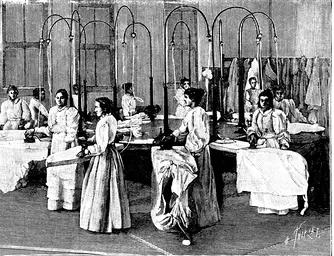
Laundresses washed, dried, and pressed clothing and household linens for individuals, families, and businesses. In the eighteenth, nineteenth, and early twentieth centuries, laundering was labor-intensive work and an essential service in both rural and urban communities.
Many laundresses worked independently from their homes, while others were employed in commercial laundries or institutions such as hotels and boarding houses. The occupation was especially common among women, including widows, single women, and those seeking income outside the home.
How the Job Was Described
Historical records may list:
- Laundress
- Washerwoman
- Laundry worker
- Charwoman (in some contexts)
- Domestic worker (laundry context)
- Servant (with laundry duties)
Spelling and terminology may vary, and in some cases laundry work may be combined with other domestic roles.
Duties & Daily Work
Laundresses performed tasks such as:
- Washing clothing and linens by hand
- Boiling and soaking fabrics
- Scrubbing and rinsing garments
- Drying items outdoors or indoors
- Ironing and pressing clothes
- Sorting and returning finished laundry
Work was physically demanding and often repetitive, requiring strength and endurance.
Tools, Equipment & Work Environment
Laundry work relied on tools such as:
- Wash tubs and basins
- Washboards
- Soap and cleaning agents
- Boiling kettles
- Irons and pressing tools
- Drying lines and racks
Work environments included private homes, outdoor washing areas, and commercial laundries. Conditions often involved heat, moisture, and exposure to cleaning chemicals.
Employment Structure & Work Patterns
Laundresses were typically:
- Independent workers serving local clients
- Employees in commercial laundries
- Workers in private households
- Part of domestic service arrangements
Many laundresses worked on a piecework basis, paid by the quantity of laundry completed.
Records Created by Laundry Work
Laundresses may appear in:
- Census records
- City directories
- Employment records for domestic service
- Institutional records (hotels, hospitals, boarding houses)
- Local tax or business records
Because many worked independently, formal records may be limited, but the occupation appears frequently in census data.
A Note on Historical Context
Before modern washing machines, laundering was a time-consuming and essential household task. Many families relied on laundresses rather than performing the work themselves.
Laundry work provided income opportunities for women, particularly those without access to other employment.
The rise of commercial laundries and later technological advances gradually reduced the prevalence of individual laundresses.
Newspapers & Periodicals
Laundresses appear in newspapers through:
- Employment advertisements
- Household service listings
- Business notices for laundry services
- Obituaries referencing domestic work
Local advertisements may offer insight into services provided and pricing.
Risks, Challenges & Working Conditions
Laundry work involved challenges such as:
- Long hours of physical labor
- Exposure to heat and steam
- Handling heavy wet fabrics
- Contact with chemicals and soaps
- Limited economic stability
Despite its importance, the work was often low-paid and physically demanding.
Industry Terminology (Selected)
- Washday – Designated day for laundry work
- Washboard – Tool used for scrubbing clothes
- Boiling – Process of cleaning fabrics in hot water
- Pressing – Ironing garments
- Piecework – Payment based on quantity of work completed
These terms frequently appear in household and employment records.
Selected Free Research Starting Points
Researchers may find useful background materials and contextual resources through:
- Library of Congress collections related to domestic life and labor
- National Archives records involving census and employment data
- State archives preserving domestic and institutional records
- Local historical societies documenting household work
- Internet Archive and HathiTrust collections of household manuals and domestic guides
Availability varies by region and era, but these sources provide valuable context for understanding laundry work.
Why Laundresses Matter to Genealogical Research
Laundresses appear frequently in census records, particularly among women, and provide insight into economic survival and household labor. Understanding this occupation helps genealogists interpret income sources, social status, and the roles of women in historical communities.
If you use Quicksheets often, the Quicksheet Vault puts 450+ of them in one organized place — clean, printable, and easy to reuse whenever you need them. Whether you keep digital references handy or build your own genealogy binder, the Vault makes research simpler. Learn more about the Quicksheet Vault HERE