Background
Historical Occupation Profiles explain what ancestors actually did for a living and how those occupations shaped the records genealogists rely on today.
Occupation Overview
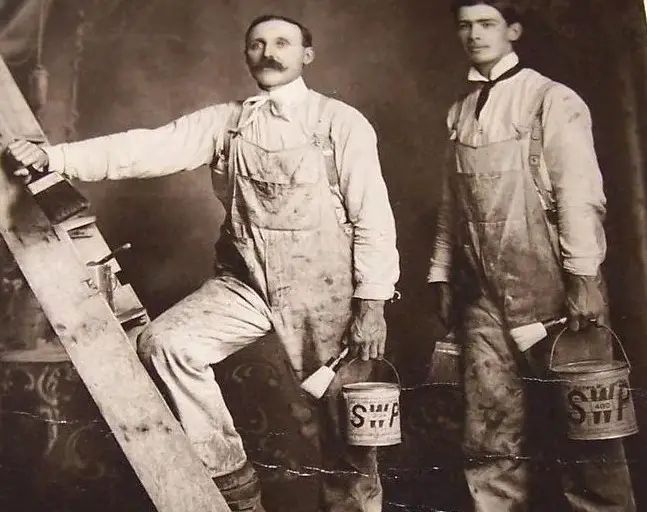
Painters applied paint and finishes to buildings, structures, and surfaces to protect materials and improve appearance. In the eighteenth, nineteenth, and early twentieth centuries, most painters worked in the building trades, painting houses, businesses, and public buildings.
While some painters were artists, the majority listed in census and directory records were tradesmen involved in construction and maintenance work. Their work was essential for preserving wood, metal, and other materials exposed to weather.
How the Job Was Described
Historical records may list:
- Painter
- House painter
- Decorative painter
- Sign painter
- Painter and glazier
- Artist (in some cases)
In many records, the term “painter” refers to building or house painters unless otherwise specified.
Sign painters and decorative painters may be listed separately depending on their specialization.
Duties & Daily Work
Painters performed tasks such as:
- Preparing surfaces for painting
- Applying paint, varnish, or finishes
- Mixing paints and materials
- Painting interiors and exteriors
- Creating decorative finishes or signage
- Maintaining tools and equipment
Work varied depending on the type of project, from residential homes to commercial buildings.
Tools, Equipment & Work Environment
Painting relied on tools such as:
- Brushes and rollers
- Ladders and scaffolding
- Buckets and mixing tools
- Scrapers and sanding tools
- Protective coverings
Work environments included construction sites, homes, and commercial buildings. Painters often worked at heights and in varying weather conditions.
Employment Structure & Trade Patterns
Painters were typically:
- Independent contractors
- Members of painting firms
- Employees in construction companies
- Part of small trade businesses
Many painters learned the trade through apprenticeship and advanced to independent work or business ownership.
Records Created by Painting Work
Painters may appear in:
- City directories
- Census records
- Business advertisements
- Apprenticeship records
- Union membership records
- Building contracts and permits
Because painters worked within the construction industry, they may also appear in records tied to building projects.
A Note on Historical Context
Painting became more important as construction expanded and materials required protection from weather and wear. The use of paint also contributed to the appearance and value of buildings.
In urban areas, painters were often part of organized trades, while in rural areas they might work independently or seasonally.
The distinction between trade painters and artistic painters is important when interpreting records.
Newspapers & Periodicals
Painters appear in newspapers through:
- Business advertisements
- Contract announcements
- Labor union activity
- Building project reports
- Obituaries referencing trade work
Sign painters may also appear in connection with business advertising.
Risks, Hazards & Working Conditions
Painting work involved risks such as:
- Falls from ladders or scaffolding
- Exposure to fumes and chemicals
- Lead-based paint exposure
- Physical strain
- Weather-related challenges
Some hazards, particularly chemical exposure, were not well understood in earlier periods.
Industry Terminology (Selected)
- Glazier – Worker installing glass, sometimes combined with painting
- Varnish – Protective coating
- Scaffold – Structure used for elevated work
- Primer – Base coat applied before painting
- Finish – Final coating applied to surfaces
These terms frequently appear in construction and trade records.
Selected Free Research Starting Points
Researchers may find useful background materials and contextual resources through:
- Library of Congress collections related to construction and trades
- National Archives records involving labor and building projects
- State archives preserving licensing and trade records
- Local historical societies documenting building activity
- Internet Archive and HathiTrust collections of painting manuals and trade guides
Availability varies by region and era, but these sources provide valuable context for understanding painting work.
Why Painters Matter to Genealogical Research
Painters were skilled tradesmen involved in construction and maintenance across many communities. Understanding their work helps genealogists interpret occupational skill levels, participation in building trades, and connections to local construction activity.
If you use Quicksheets often, the Quicksheet Vault puts 450+ of them in one organized place — clean, printable, and easy to reuse whenever you need them. Whether you keep digital references handy or build your own genealogy binder, the Vault makes research simpler. Learn more about the Quicksheet Vault HERE