Background
Historical Occupation Profiles explain what ancestors actually did for a living and how those occupations shaped the records genealogists rely on today.
Occupation Overview
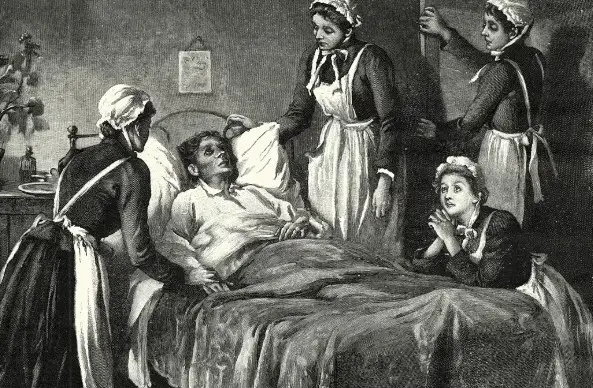
Nurses cared for sick, injured, and recovering patients in homes, hospitals, military settings, and medical institutions. In the nineteenth and early twentieth centuries, nursing evolved from informal caregiving into a recognized and increasingly professional occupation.
Nurses played critical roles during epidemics, wars, and the expansion of hospitals and public health systems.
How the Job Was Described
Historical records may list:
- Nurse
- Registered nurse
- Practical nurse
- Hospital nurse
- Private nurse
- Caretaker (medical context)
Earlier records may use broader caregiving terminology before formal nursing systems became standardized.
Duties & Daily Work
Nurses performed tasks such as:
- Monitoring and caring for patients
- Administering medicines and treatments
- Assisting physicians during procedures
- Maintaining patient cleanliness and comfort
- Keeping medical records
- Supporting hospitals and medical facilities
Work could occur in hospitals, private homes, or temporary medical facilities.
Tools, Equipment & Work Environment
Nursing relied on equipment such as:
- Medical instruments
- Bandages and dressings
- Patient records
- Medicines and supplies
- Hospital equipment
Work environments included hospitals, clinics, homes, military camps, and institutional settings.
Training & Professional Structure
Nurses were commonly:
- Hospital-trained professionals
- Members of nursing schools
- Private caregivers
- Employees of hospitals or institutions
Formal nursing education expanded significantly in the late nineteenth century.
Records Created by Nursing Work
Nurses may appear in:
- Hospital employment records
- Nursing school records
- City directories
- Census records
- Professional registrations
- Newspaper notices and obituaries
Because nursing became increasingly professionalized, records improved over time.
A Note on Historical Context
Nursing gained recognition during major wars and public health crises, especially during the American Civil War and later epidemics.
The growth of hospitals and modern medicine increased demand for trained nurses.
Women made up the majority of the profession, though male nurses also existed in some settings.
Newspapers & Periodicals
Nurses appear in newspapers through:
- Hospital announcements
- Public health reports
- Epidemic coverage
- Community service stories
- Obituaries referencing nursing careers
Nurses were often recognized during times of crisis or emergency.
Risks, Challenges & Working Conditions
Nursing involved challenges such as:
- Exposure to infectious diseases
- Long and exhausting hours
- Emotional stress
- Physically demanding care work
- Limited medical protections in earlier periods
Working conditions varied greatly depending on facility and era.
Industry Terminology (Selected)
- Ward – Hospital patient area
- Private nurse – Nurse working in private homes
- Sanitation – Medical cleanliness practices
- Matron – Senior nursing supervisor
- Clinical care – Direct patient treatment
These terms frequently appear in hospital and medical records.
Selected Free Research Starting Points
Researchers may find useful background materials and contextual resources through:
- Library of Congress medical and nursing collections
- National Archives hospital and military medical records
- State archives preserving licensing and institutional records
- University nursing history collections
- Internet Archive and HathiTrust collections of nursing manuals and hospital reports
Availability varies by region and era, but these sources provide valuable context for understanding nursing work.
Why Nurses Matter to Genealogical Research
Nurses played essential roles in hospitals, homes, and public health systems. Understanding nursing work helps genealogists interpret institutional records, medical care environments, and the expanding professional opportunities available to women.
If you use Quicksheets often, the Quicksheet Vault puts 450+ of them in one organized place — clean, printable, and easy to reuse whenever you need them. Whether you keep digital references handy or build your own genealogy binder, the Vault makes research simpler. Learn more about the Quicksheet Vault HERE