Background
Historical Occupation Profiles explain what ancestors actually did for a living and how those occupations shaped the records genealogists rely on today.
Occupation Overview
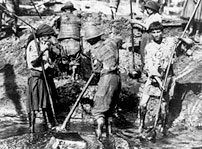
Oil field workers extracted petroleum from underground deposits for use as fuel, lubrication, and industrial material. In the late nineteenth and early twentieth centuries, the discovery and expansion of oil fields created a rapidly growing industry in regions such as Pennsylvania, Texas, Oklahoma, and California.
Oil work attracted large numbers of workers seeking opportunity in boomtown environments. Oil fields often developed quickly, bringing with them temporary housing, rapid economic growth, and fluctuating employment conditions.
How the Job Was Described
Historical records may list:
- Oil worker
- Oil field worker
- Roughneck
- Driller
- Derrickman
- Tool dresser
- Laborer (oil field context)
- Lease worker
Titles often reflected specific roles within drilling operations, though many workers may be listed simply as laborers in census records.
Duties & Daily Work
Oil field workers performed tasks such as:
- Drilling wells to access oil deposits
- Operating and maintaining drilling equipment
- Handling pipes and tools
- Managing derricks and rigs
- Transporting materials and equipment
- Maintaining well sites
Work was physically demanding and often performed in shifts, with crews working around the clock in active fields.
Tools, Equipment & Work Environment
Oil field work relied on equipment such as:
- Drilling rigs and derricks
- Pipes and drilling tools
- Engines and pumps
- Wrenches and heavy tools
- Storage tanks and transport systems
Work environments were often rugged and remote, with exposure to weather, mud, and industrial hazards.
Employment Structure & Boomtown Patterns
Oil field workers were typically employed by:
- Oil companies
- Drilling contractors
- Lease operators
- Independent producers
Employment could be unstable, with workers moving between locations as oil fields were developed or depleted.
Boomtown conditions often led to temporary settlements and rapidly changing populations.
Records Created by Oil Field Work
Oil field workers may appear in:
- Census records
- Company employment records
- Lease and land records
- Local directories in oil-producing regions
- Newspaper accounts of oil activity
- Court records involving land or drilling rights
Because oil development was tied to land ownership, workers may also appear indirectly in property records.
A Note on Historical Context
The rise of the oil industry transformed regional economies and contributed to industrial growth. Oil discoveries often led to rapid population increases and economic shifts in previously rural areas.
Technological advances changed drilling methods and reduced reliance on manual labor over time.
Understanding oil field development helps explain migration patterns and temporary residence in boom regions.
Newspapers & Periodicals
Oil field workers appear in newspapers through:
- Reports of oil discoveries
- Coverage of drilling activity
- Accidents and fires
- Economic reports on oil production
- Local news from boomtown communities
Oil industry developments were often widely reported due to their economic impact.
Risks, Hazards & Working Conditions
Oil field work was hazardous, with risks including:
- Explosions and fires
- Equipment-related injuries
- Exposure to chemicals and fumes
- Falls from rigs or structures
- Long hours in difficult conditions
Accidents were frequently reported in newspapers and industrial records.
Industry Terminology (Selected)
- Derrick – Structure used to support drilling equipment
- Roughneck – General laborer on a drilling crew
- Lease – Land area where drilling rights are held
- Rig – Equipment used for drilling
- Well – Site where oil is extracted
These terms frequently appear in land records, newspapers, and industrial reports.
Selected Free Research Starting Points
Researchers may find useful background materials and contextual resources through:
- Library of Congress collections related to industry and labor
- National Archives records involving land, energy, and industry
- State archives preserving oil and land records
- Local historical societies documenting oil regions
- Internet Archive and HathiTrust collections of oil industry manuals and reports
Availability varies by region and era, but these sources provide valuable context for understanding oil field work.
Why Oil Field Workers Matter to Genealogical Research
Oil field workers were part of a highly mobile labor force tied to resource extraction and economic expansion. Understanding their work helps genealogists interpret migration to boom regions, temporary settlements, and occupational shifts in industrializing areas.
If you use Quicksheets often, the Quicksheet Vault puts 450+ of them in one organized place — clean, printable, and easy to reuse whenever you need them. Whether you keep digital references handy or build your own genealogy binder, the Vault makes research simpler. Learn more about the Quicksheet Vault HERE