Background
Historical Occupation Profiles explain what ancestors actually did for a living and how those occupations shaped the records genealogists rely on today.
Occupation Overview
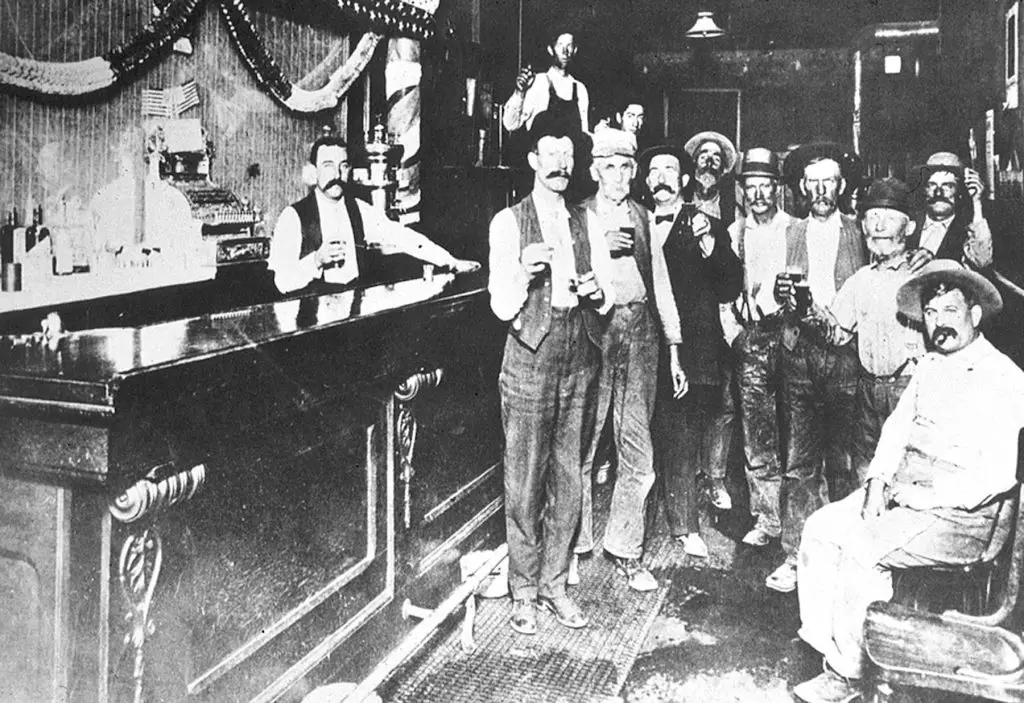
Saloon keepers owned or managed establishments that served alcoholic beverages and often provided food, lodging, or social space. In the nineteenth and early twentieth centuries, saloons were central gathering places in many communities, particularly in urban areas and frontier towns.
Saloons functioned as social hubs where people met for conversation, business, and entertainment. They were especially prominent in immigrant communities, where they often reflected cultural traditions.
How the Job Was Described
Historical records may list:
- Saloon keeper
- Saloon owner
- Barkeeper
- Bartender
- Liquor dealer
- Publican
- Tavern keeper
In some records, saloon keepers may also appear as merchants or proprietors, depending on how their business was categorized.
Duties & Daily Work
Saloon keepers performed tasks such as:
- Serving alcoholic beverages
- Managing daily operations of the establishment
- Purchasing and stocking supplies
- Supervising staff such as bartenders or servers
- Maintaining the premises
- Handling financial transactions
Many saloons also provided food, entertainment, or meeting space for community gatherings.
Tools, Equipment & Work Environment
Saloon operations relied on equipment such as:
- Bar counters and fixtures
- Glassware and serving tools
- Storage for liquor and supplies
- Cash boxes or registers
- Furniture for patrons
Work environments were social and often busy, especially in urban areas or near industrial workplaces.
Employment Structure & Business Patterns
Saloon keepers were typically:
- Independent business owners
- Operators of family-run establishments
- Leaseholders of commercial spaces
- Employers of staff such as bartenders
Saloons were often located in high-traffic areas such as main streets, near factories, or in transportation hubs.
Records Created by Saloon Operations
Saloon keepers may appear in:
- City directories
- Business advertisements
- Licensing records
- Tax records
- Court records involving disputes or violations
- Newspaper accounts of local businesses
Licensing records can be particularly useful, as many communities regulated the sale of alcohol.
A Note on Historical Context
Saloons were central to social and economic life in many communities. They often served as informal meeting places for workers, political groups, and social organizations.
The temperance movement and the introduction of Prohibition in the early twentieth century had a major impact on saloon keepers, leading to closures or changes in business operations.
Understanding this period helps explain occupational changes and the disappearance of saloons from later records.
Newspapers & Periodicals
Saloon keepers appear in newspapers through:
- Business advertisements
- Licensing notices
- Legal cases or disputes
- Reports related to Prohibition
- Community and social news
Saloons were often mentioned in both commercial and legal contexts.
Risks, Challenges & Legal Exposure
Saloon keepers faced challenges such as:
- Regulation and licensing requirements
- Legal disputes or enforcement actions
- Economic downturns
- Competition from other establishments
- Impact of Prohibition laws
Legal records and newspaper accounts may document business closures or conflicts.
Industry Terminology (Selected)
- Saloon – Establishment serving alcoholic beverages
- Barkeeper – Individual serving drinks
- Publican – Owner or operator of a tavern
- License – Official permission to sell alcohol
- Temperance – Movement opposing alcohol consumption
These terms frequently appear in business records and newspapers.
Selected Free Research Starting Points
Researchers may find useful background materials and contextual resources through:
- Library of Congress collections related to social and urban life
- National Archives records involving regulation and Prohibition
- State archives preserving licensing and legal records
- Local historical societies documenting community businesses
- Internet Archive and HathiTrust collections of social history and legal materials
Availability varies by region and era, but these sources provide valuable context for understanding saloon operations.
Why Saloon Keepers Matter to Genealogical Research
Saloon keepers were prominent figures in local communities and appear frequently in directories, licensing records, and newspapers. Understanding their role helps genealogists interpret business ownership, social networks, and the impact of legal and cultural changes on local economies.
If you use Quicksheets often, the Quicksheet Vault puts 450+ of them in one organized place — clean, printable, and easy to reuse whenever you need them. Whether you keep digital references handy or build your own genealogy binder, the Vault makes research simpler. Learn more about the Quicksheet Vault HERE