Background
Historical Occupation Profiles explain what ancestors actually did for a living and how those occupations shaped the records genealogists rely on today.
Occupation Overview
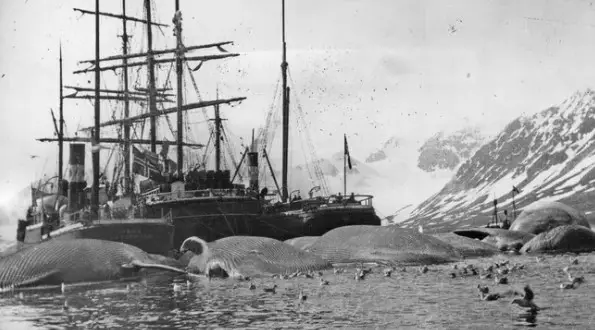
Whalers hunted whales for products such as oil, baleen, and other materials used in lighting, manufacturing, and industry. In the eighteenth and nineteenth centuries, whaling was a major maritime industry, particularly in regions such as New England.
Whaling voyages often lasted months or years, taking crews far from home. Whalers worked aboard specialized ships and were part of a global industry that connected ports, markets, and ocean routes.
How the Job Was Described
Historical records may list:
- Whaler
- Seaman (whaling context)
- Sailor
- Boatsteerer
- Harpooner
- Mate (whaling vessel)
- Captain (whaling vessel)
In many cases, individuals may simply be listed as sailors, requiring context to identify whaling activity.
Duties & Daily Work
Whalers performed tasks such as:
- Sailing and maintaining whaling vessels
- Tracking and pursuing whales
- Launching small boats for hunting
- Using harpoons to capture whales
- Processing whales into oil and other products
- Storing materials for transport
Work was physically demanding and often dangerous, requiring coordination among crew members.
Tools, Equipment & Work Environment
Whaling relied on equipment such as:
- Whaling ships
- Harpoons and lances
- Small hunting boats
- Cutting tools for processing
- Storage casks for oil
Work environments were entirely maritime, often in remote ocean regions. Conditions included long voyages, harsh weather, and limited supplies.
Employment Structure & Voyage System
Whalers were typically employed through:
- Whaling companies
- Ship owners
- Voyage contracts
- Crew agreements based on shares of profits
Crew members were often paid through a “lay” system, receiving a portion of the profits from the voyage rather than fixed wages.
Records Created by Whaling Work
Whalers may appear in:
- Ship logs and crew lists
- Port and harbor records
- Maritime registers
- Census records
- Whaling company records
- Newspaper accounts of voyages
Because whaling was a structured industry, records may be detailed, particularly for ships and voyages.
A Note on Historical Context
Whaling was a major industry before petroleum products replaced whale oil. It played a significant role in the economies of certain coastal regions.
The decline of whaling in the late nineteenth century led to occupational shifts for many workers.
Whaling voyages connected local communities to global trade networks.
Newspapers & Periodicals
Whalers appear in newspapers through:
- Reports of ship departures and arrivals
- Accounts of successful voyages
- Maritime accidents or shipwrecks
- Trade and market reports
- Obituaries referencing seafaring careers
Whaling activity was often closely followed in maritime communities.
Risks, Hazards & Working Conditions
Whaling was extremely dangerous, with risks including:
- Drowning
- Injury during whale hunts
- Shipwrecks
- Long voyages with limited medical care
- Harsh weather and isolation
Fatalities were not uncommon and may be documented in maritime and newspaper records.
Industry Terminology (Selected)
- Harpoon – Tool used to capture whales
- Lay – Share of profits from a voyage
- Tryworks – Equipment used to process whale oil
- Boatsteerer – Crew member handling harpoon boat
- Cask – Barrel used to store oil
These terms frequently appear in maritime logs and historical accounts.
Selected Free Research Starting Points
Researchers may find useful background materials and contextual resources through:
- Library of Congress collections related to maritime history
- National Archives records involving ships and maritime activity
- State archives preserving port and shipping records
- Maritime museums and historical societies
- Internet Archive and HathiTrust collections of whaling logs and industry reports
Availability varies by region and era, but these sources provide valuable context for understanding whaling work.
Why Whalers Matter to Genealogical Research
Whalers were part of a global maritime industry and often appear in ship records, port documents, and newspapers. Understanding whaling helps genealogists interpret long absences from home, maritime employment patterns, and connections to coastal communities and global trade.
If you use Quicksheets often, the Quicksheet Vault puts 450+ of them in one organized place — clean, printable, and easy to reuse whenever you need them. Whether you keep digital references handy or build your own genealogy binder, the Vault makes research simpler. Learn more about the Quicksheet Vault HERE