The Ancestor Hunt regularly adds and updates new collection links, as well as searches for and fixes broken links.
(This page's most recent update is January 2026)
Want to improve your newspaper research skills? Become an AcademyPro member of the Newspaper Research Academy at Academy
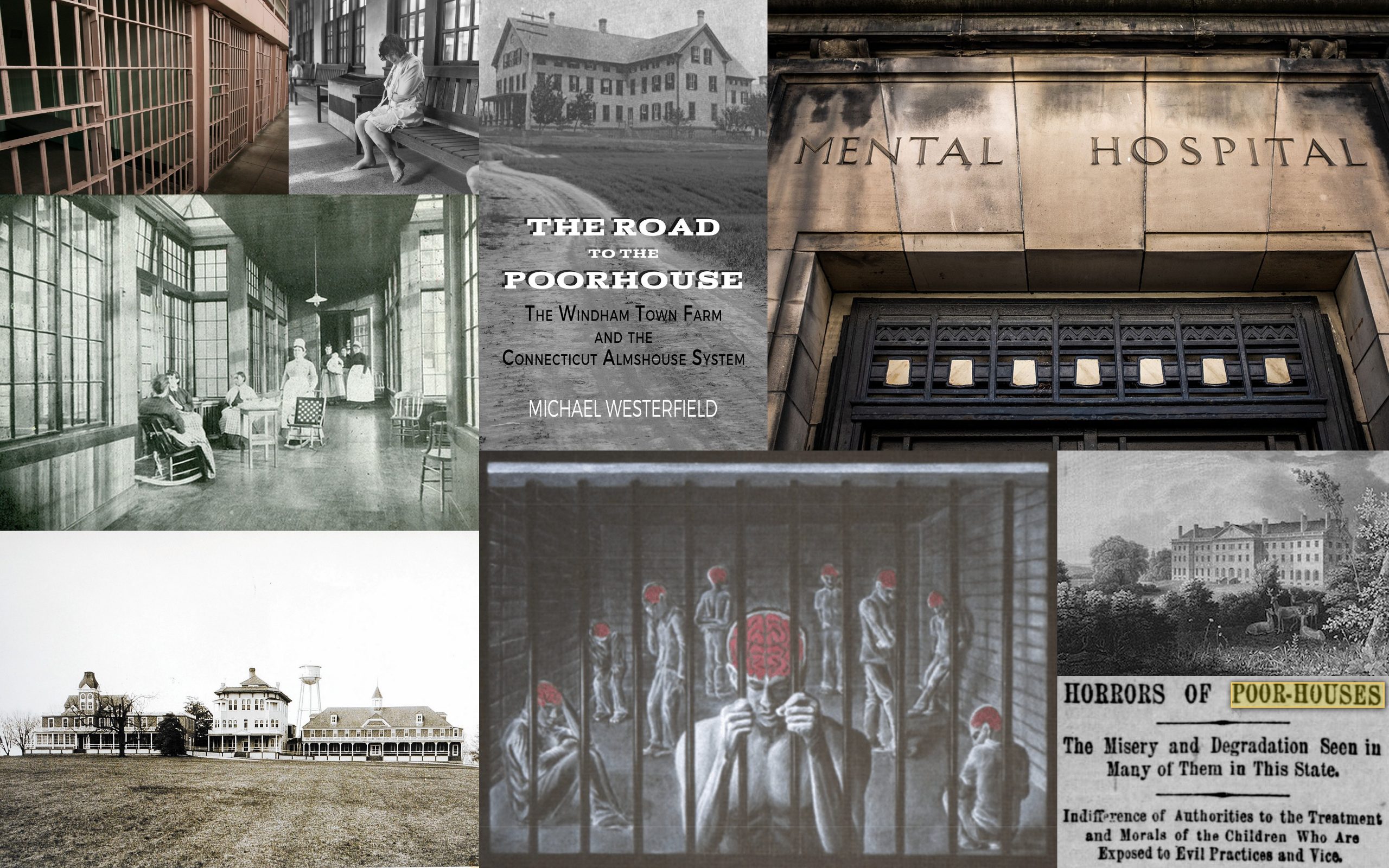
Institutional records are a record set that are sometimes overlooked and a record set that can be difficult to locate and acquire.
Many people don’t think to look for institutional records as part of their genealogy research as in the past people who spent time in institu- tions were not always talked about out of misguided shame or fear due to the social norms of the times, misunderstanding of many physical and mental medical conditions and the controversies that have arisen from the policies and practices of institutions. Others don’t think of looking for collections labeled as institutions because they don’t know what they are and what is included in them.
Additionally, records can be difficult to find or to acquire due to records being missing, especially if the records weren’t acquired by a gov- ernmental entity or other source when an institution was closed, or due to privacy or other laws that dictate who can gain access to the records and how long they are closed to the public.
When we speak of institutional records it is important to understand the types of institutions that have existed and still exist and the terms that were used in records that help identify who was in an institution. It can also help to locate the names of institutions in the areas where your family lived and the history of those institutions.
What are some of the types of institutions where records for our ancestors and family may be found?
- Poor House (County Farm, Poor Farm, Almshouse, Infirmary)
- Orphan (Orphanage, Orphan Train, Children’s Home, Foundlings Home)
- Asylum (Mental Hospital, Mental Institution, State Hospital, Lunatic Asylum, Insane Hospital)
- Institutional School (Reform School, Training School, Industrial School. School for Deaf, Blind or Dumb)
- Homes (Soldiers and Sailors Home, Disabled Veterans Home, Soldiers and Sailors Children’s Home, Home for the Friendless)
- Sanitarium (Sanatorium)
- Correctional institutions (Penitentiary, Prison, Jail)
What are some of the terms you might find in institutional records and in other records that may indicate your ancestor/family member was in an institution?
- Poor
- Indigent
- Infirm
- Orphan
- Foundling
- Insane
- Lunatic
- Feeble minded
- Idiot
- Imbecile
- Deaf/Blind/Dumb
- Prisoner
- Inmate
- Tuberculosis
- Reform
- Incorrigible
- Delinquent
What are the types of records to look for that may indicate a family member was in an institution and the types of institutional records that will tell you more about when, where and why they were admitted, how long they were there, and when they were discharged or died.
- Census Records
- Admissions registers/records
- Patient Records
- School Records
- Court Records
- Books
- Reports to government offices by the board of directors or institution staff
- Newspapers
- Medical Records
- Passenger Records
- Death Records
- Inmate Records
- Cemetery Records
Where can we look for Institutional Records and additional information about the history of the institution?
- The home/hospital/school/correctional department/institution where they were admitted
- State and County Archives
- State and County Historical Society
- State and County Genealogy Society
- County and State Library
- Court Archives
- Correctional Department
- Family Search/Ancestry/MyHeritage/FindMyPast
- Internet Archives
- Digital Public Library of America
- World Cat
- Google Books
- Asylum Project
Another great resource is the free online collections curated by The Ancestor Hunt. Links to over 3,200 collections can be found at Institutional Records